What is a Computer Processor?
A computer processor, or Central Processing Unit (CPU), is the primary component responsible for executing instructions and performing calculations in a computing system. It acts as the "brain" of the computer, determining overall system performance, power efficiency, and capability for multitasking and complex applications. For industrial and embedded systems, the choice of processor is critical for ensuring long-term reliability, thermal management, and compatibility with specialized software.
Key Specifications and Technical Details
When selecting a processor for an industrial computer, several technical specifications are paramount:
-
Cores and Threads: Determines multitasking ability. More cores allow for parallel processing of tasks.
-
Clock Speed (GHz): The speed at which a processor executes instructions. Higher speeds typically mean faster performance for single-threaded tasks.
-
Cache Memory (MB): A small, high-speed memory pool on the CPU that stores frequently accessed data, significantly reducing latency.
-
Thermal Design Power (TDP): Indicates heat generation and power consumption. Lower TDP is essential for fanless, compact designs.
-
Instruction Set Architecture (ISA): Such as x86 (Intel) or ARM, which dictates software compatibility.
-
Integrated Graphics: For systems that drive displays without a separate graphics card.
Use Cases and Applications
The processor dictates the suitability of an industrial computer for specific environments:
-
Lightweight & Fanless Operations: Processors like the Intel N-series (e.g., N100) are ideal for digital signage, kiosks, and thin clients due to their low power draw and fanless cooling capability.
-
General Office & Productivity: Mid-range processors (e.g., Intel Core i3/i5) provide balanced performance for business software, point-of-sale systems, and basic CAD.
-
High-Performance Computing: For demanding applications like machine vision, edge AI, and complex data analytics, higher-core-count processors (e.g., Intel Core i5/i7) with higher clock speeds are necessary.
-
Harsh Environments: Ruggedized systems require processors that can operate reliably across wide temperature ranges with minimal moving parts, making low-TDP, fanless CPUs a preferred choice.
Comparison of Common Industrial Processor Types
| Feature | Intel N-Series (e.g., N100) | Intel Core i3/i5 (e.g., 12th/13th Gen) | Application Focus |
|---|---|---|---|
| Core/Thread Count | 4 cores / 4 threads | 6-10 cores / 8-12 threads | Basic vs. Advanced Multitasking |
| Typical TDP | ~6W | 15W - 28W (U-series) | Power Efficiency & Heat |
| Integrated Graphics | Intel UHD Graphics | Intel Iris Xe Graphics | Display & Light Media Output |
| Ideal Use Case | Digital Signage, Thin Clients, IoT Gateways | Industrial Workstations, Automation Controllers, Edge Servers | Workload Intensity |
Thinvent Products Featuring Advanced Processors
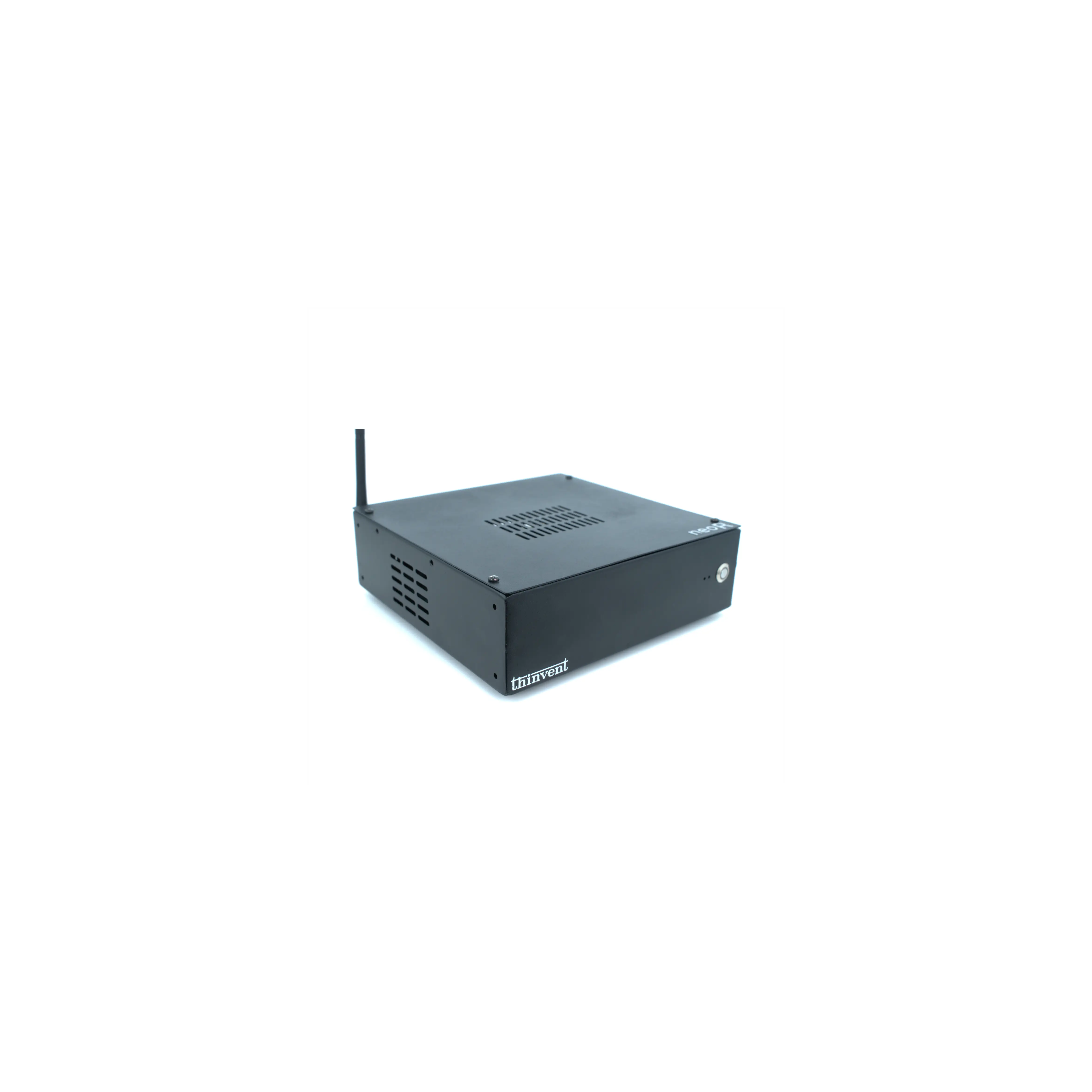
Thinvent's range of industrial computers is engineered around a diverse selection of processors to meet any operational demand. Our product lines include compact Mini PCs powered by efficient Intel N-series processors for space-constrained and fanless applications, perfect for kiosks and lightweight computing. For more demanding tasks, our Industrial PCs and All-in-One systems are equipped with powerful Intel Core i3, i5, and i7 processors from the latest generations, delivering the performance needed for automation, surveillance, and data processing. Every Thinvent system is built for durability and 24/7 operation, ensuring your processor choice is supported by a robust and reliable hardware platform.