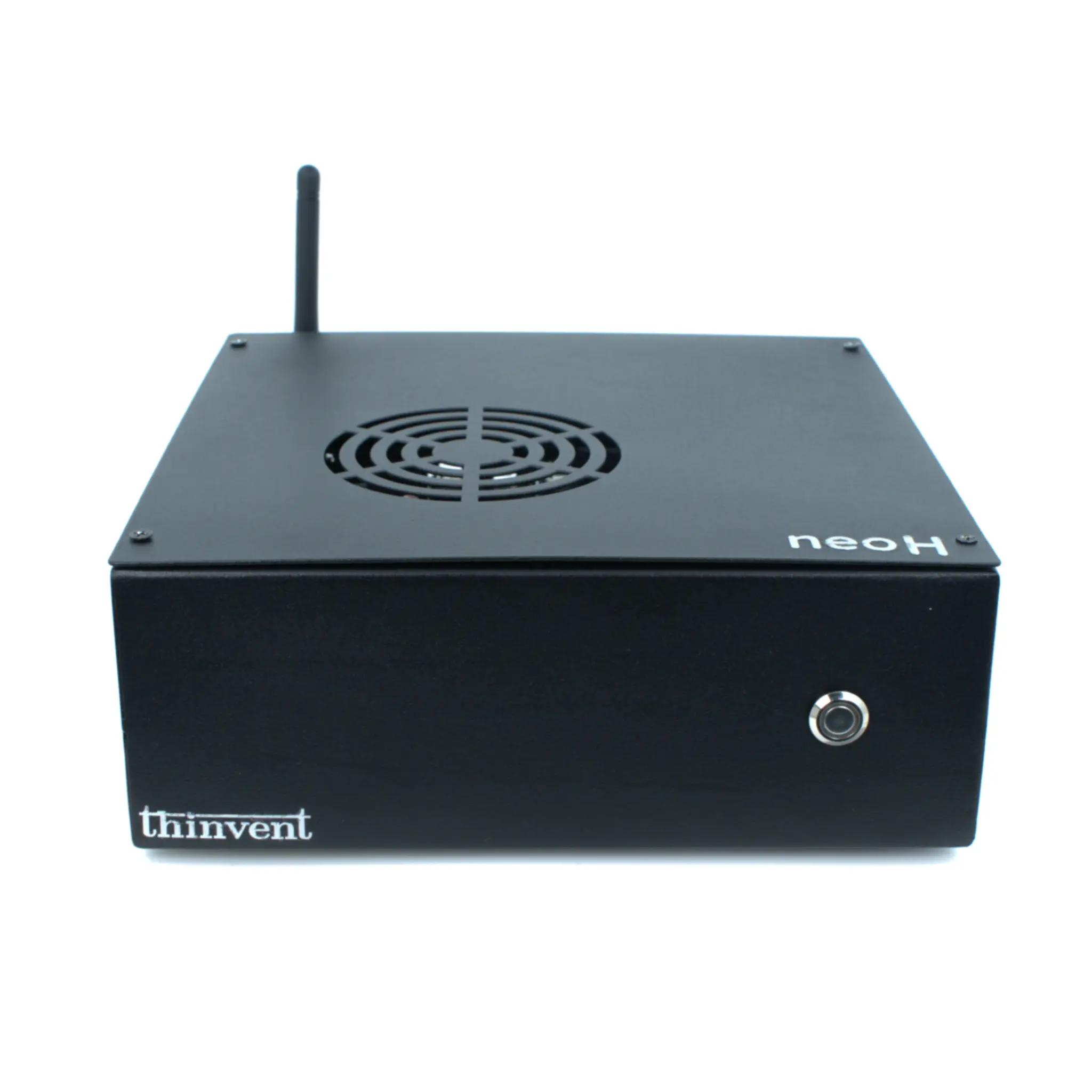
What is an Industrial Computer?
An industrial computer is a specialized computing device engineered for reliability and durability in demanding environments. Unlike standard consumer PCs, these systems are built to withstand extreme temperatures, dust, vibration, and continuous operation. They are a critical component in automation, digital signage, and process control, where system failure is not an option. Key features include fanless cooling for silent, maintenance-free operation, wide power input ranges, and robust I/O connectivity for industrial peripherals.
Key Specifications and Technical Details
Industrial computers prioritize stability over raw consumer-grade performance. Common specifications include:
-
Rugged Design: Often housed in all-metal, IP-rated enclosures to protect against dust and moisture.
-
Fanless Operation: Utilizes passive cooling (heat sinks) to eliminate moving parts, reducing points of failure and allowing operation in dusty environments.
-
Wide Operating Temperature: Capable of functioning in temperatures from -20°C to 70°C, suitable for unregulated environments.
-
Extended Power Input: Supports a wide voltage range (e.g., 9-36V DC) to handle power fluctuations common in industrial settings.
-
Rich I/O Ports: Multiple serial ports (RS-232/485), LAN ports, USB, and expansion slots (PCIe, mPCIe) for connecting sensors, controllers, and legacy equipment.
-
Long-Term Availability: Components and motherboards are guaranteed to be available for many years, crucial for long-lifecycle projects.
Use Cases and Applications
These computers are deployed in sectors where standard PCs would fail. Primary applications include:
-
Factory Automation: Machine vision, PLC supervision, and robotic control on manufacturing floors.
-
Digital Signage & Kiosks: Powering interactive displays and information terminals in public spaces 24/7.
-
Transportation & Logistics: Vehicle-mounted systems for fleet management and in-vehicle infotainment.
-
Edge Computing: Processing data locally in IoT networks for smart cities, agriculture, and energy management.
-
Thin Client & VDI: Secure, centralized desktop environments for offices, call centers, and healthcare.
Choosing the Right Industrial Computer
Selecting a system depends on your environmental and performance needs. The table below compares common form factors:
| Form Factor | Key Features | Ideal For |
|---|---|---|
| Industrial Mini PC | Compact, fanless, wall/DIN-rail mountable | Space-constrained automation, edge servers, digital signage players. |
| Panel PC / All-in-One | Integrated touchscreen display, sealed front panel | Human-Machine Interface (HMI), kiosks, control panels on machinery. |
| Rackmount Industrial PC | High expandability, multiple PCIe slots, server-grade components | Data acquisition, network appliances, industrial servers in control rooms. |
| Box PC | Highly customizable, rugged enclosure with extensive I/O | Heavy-duty automation, transportation, harsh outdoor environments. |
Thinvent Industrial Computing Solutions
Thinvent offers a comprehensive range of industrial-grade computing solutions designed for reliability. Our product lines include fanless Industrial Mini PCs built with Intel processors for efficient, silent operation in compact spaces. For interactive applications, our All-in-One Panel PCs feature robust touchscreens suitable for factory floors and retail. We also provide versatile Thin Clients for secure virtual desktop infrastructure. Every Thinvent system is engineered with industrial components, wide temperature support, and long-term availability to ensure your operations run smoothly for years to come.