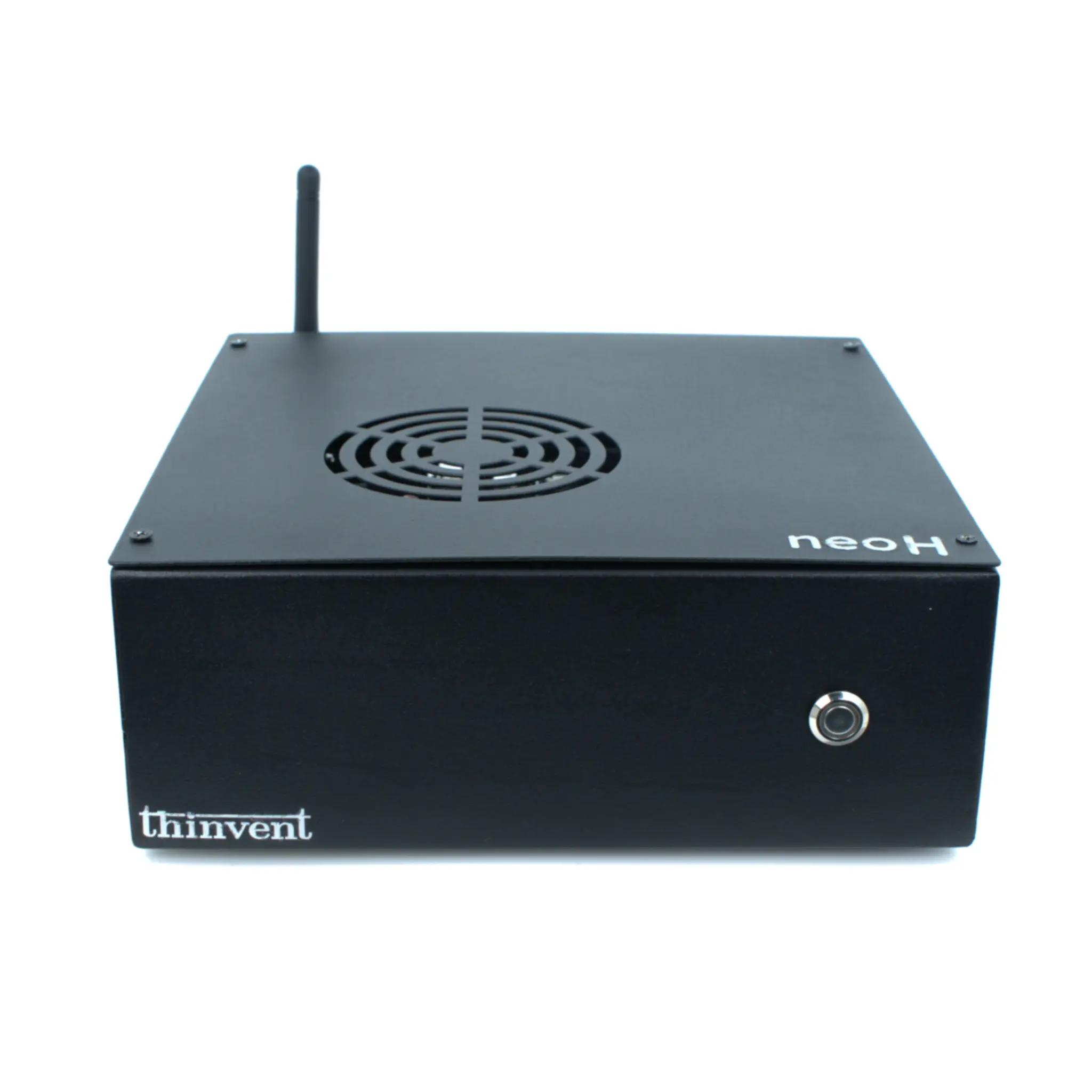
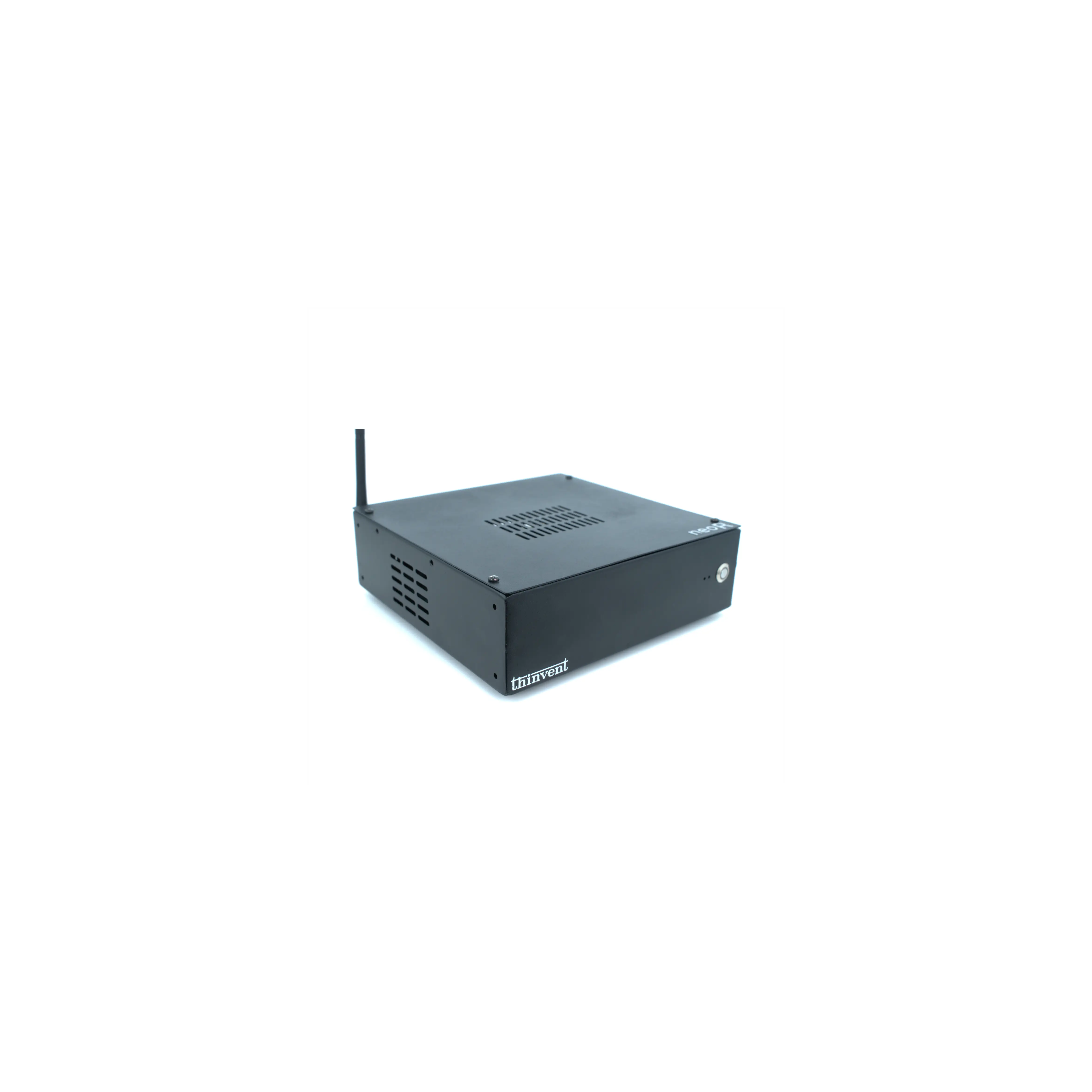
The Acer AMD A8 Pro Desktop is a desktop PC built around the AMD A8 PRO-7600B processor, a 4-core chip from AMD's A8 series. The closest Thinvent match is the Thinvent Aero Mini PC with the AMD Ryzen 5 7430U, a 6-core AMD processor in a compact mini PC form factor, with up to 64 GB of RAM and a 1000 Mbps Ethernet port.
Acer AMD A8 Pro Desktop vs Thinvent Aero Mini PC
| Acer AMD A8 Pro Desktop | Thinvent Aero Mini PC, AMD Ryzen 5 7430U | Thinvent Aero Mini PC, Intel Celeron N5095A | |
|---|---|---|---|
| Processor | AMD A8 PRO-7600B | AMD Ryzen 5 7430U | Intel Celeron N5095A |
| Cores/Threads | 4 cores / 4 threads | 6 cores | 4 cores |
| RAM | Not confirmed | Up to 64 GB | Up to 32 GB |
| Storage | Not confirmed | Up to 2 TB SSD | Up to 2 TB SSD |
| Form Factor | Desktop | Mini PC | Mini PC |
| Operating System | Not confirmed | Windows 11 Pro (other OS options: Windows 11 IoT Value, Ubuntu Linux, Thinux™ Embedded Linux, Without OS, DOS) | Windows 11 Pro (other OS options: Windows 11 IoT, Ubuntu Linux, Thinux™ Embedded Linux, Without OS, DOS) |
| Ethernet | 1 port | 1 port (1000 Mbps) | 1 port (1000 Mbps) |
| Processor Max Frequency | Up to 3.8 GHz | Up to 4.3 GHz | Up to 2.9 GHz |
Key differences
-
The Thinvent Aero Mini PC with AMD Ryzen 5 7430U has 6 cores against 4 cores in the A8 PRO-7600B, and a maximum frequency of 4.3 GHz.
-
The Thinvent Aero Mini PC supports up to 64 GB of RAM. We could not confirm the Acer's RAM maximum from the available facts.
-
The Thinvent Aero Mini PC has a choice of operating systems, including Windows 11 Pro, Windows 11 IoT Value, Ubuntu Linux and Thinux™ Embedded Linux.
-
The Thinvent Aero Mini PC is a compact mini PC. The Acer AMD A8 Pro Desktop is a full desktop tower, which may suit buyers who need internal expansion space.
-
The Acer A8 PRO-7600B uses DDR3 memory. The Thinvent Aero Mini PC uses DDR4 memory.
Which one should you choose?
Choose the Acer AMD A8 Pro Desktop if you need a traditional desktop form factor for office tasks and already work with its platform. Choose the Thinvent Aero Mini PC with AMD Ryzen 5 7430U if you want more cores, higher RAM capacity and a compact footprint with a choice of operating systems.