Intel N100 vs J6412: A Detailed Comparison
When selecting a processor for an industrial or embedded computing solution, understanding the architectural and performance differences between available options is crucial. This guide provides a direct comparison between the Intel Processor N100 and the Intel Celeron J6412, two popular low-power CPUs designed for compact and fanless systems. The N100 is part of Intel's newer Alder Lake-N architecture, while the J6412 belongs to the older Elkhart Lake family. The key takeaway is that the N100 offers a significant generational leap in performance, particularly in single-core tasks and integrated graphics, making it the superior choice for modern applications.
Key Specifications and Performance
The Intel N100 is a 4-core, 4-thread processor with a base frequency of 1.8 GHz and a max turbo frequency of up to 3.4 GHz. It features a 6 MB Intel Smart Cache and a thermal design power (TDP) of just 6W. In contrast, the Intel Celeron J6412 is also a 4-core, 4-thread CPU but is based on the older 10nm Tremont architecture. It has a base frequency of 2.0 GHz, a max turbo of 2.6 GHz, and a 1.5 MB L2 cache. While core counts are identical, benchmark data shows the N100 delivers significantly higher single-core performance due to its more advanced Gracemont cores and higher turbo speeds. The N100 also supports faster DDR5/LPDDR5 memory and PCIe Gen 3, offering better overall system responsiveness and future-proofing.
Graphics, Use Cases, and Applications
The integrated graphics capabilities highlight another major advantage for the N100. It features the Intel UHD Graphics (Alder Lake) with 24 execution units, a substantial upgrade over the J6412's Intel UHD Graphics (Elkhart Lake) with 16 EUs. This translates to smoother video playback, better support for multiple displays, and more complex GUI animations, which is vital for digital signage, interactive kiosks, and thin client virtualization. The N100's architecture also includes modern media engines for efficient hardware decoding of contemporary video codecs.
| Feature | Intel Processor N100 | Intel Celeron J6412 |
|---|---|---|
| Architecture | Alder Lake-N (2023) | Elkhart Lake (2021) |
| Cores/Threads | 4 / 4 | 4 / 4 |
| Max Turbo Frequency | Up to 3.4 GHz | Up to 2.6 GHz |
| Cache | 6 MB Intel Smart Cache | 1.5 MB L2 Cache |
| Integrated Graphics | Intel UHD Graphics (24 EUs) | Intel UHD Graphics (16 EUs) |
| Memory Support | DDR5/LPDDR5, DDR4 | DDR4/LPDDR4x |
| TDP | 6W | 10W |
Ideal Applications for Each Processor
-
Intel N100: Best suited for modern, performance-sensitive embedded applications. Its strengths make it ideal for advanced digital signage, light-duty edge computing, modern office thin clients, and compact point-of-sale (POS) systems that require snappy performance and good multimedia capabilities.
-
Intel J6412: A capable processor for legacy or cost-optimized projects. It remains a solid choice for basic digital signage, simple IoT gateways, network appliances, and industrial control systems where peak CPU performance is less critical than stability and cost.
Thinvent Products Featuring Intel N100 Technology
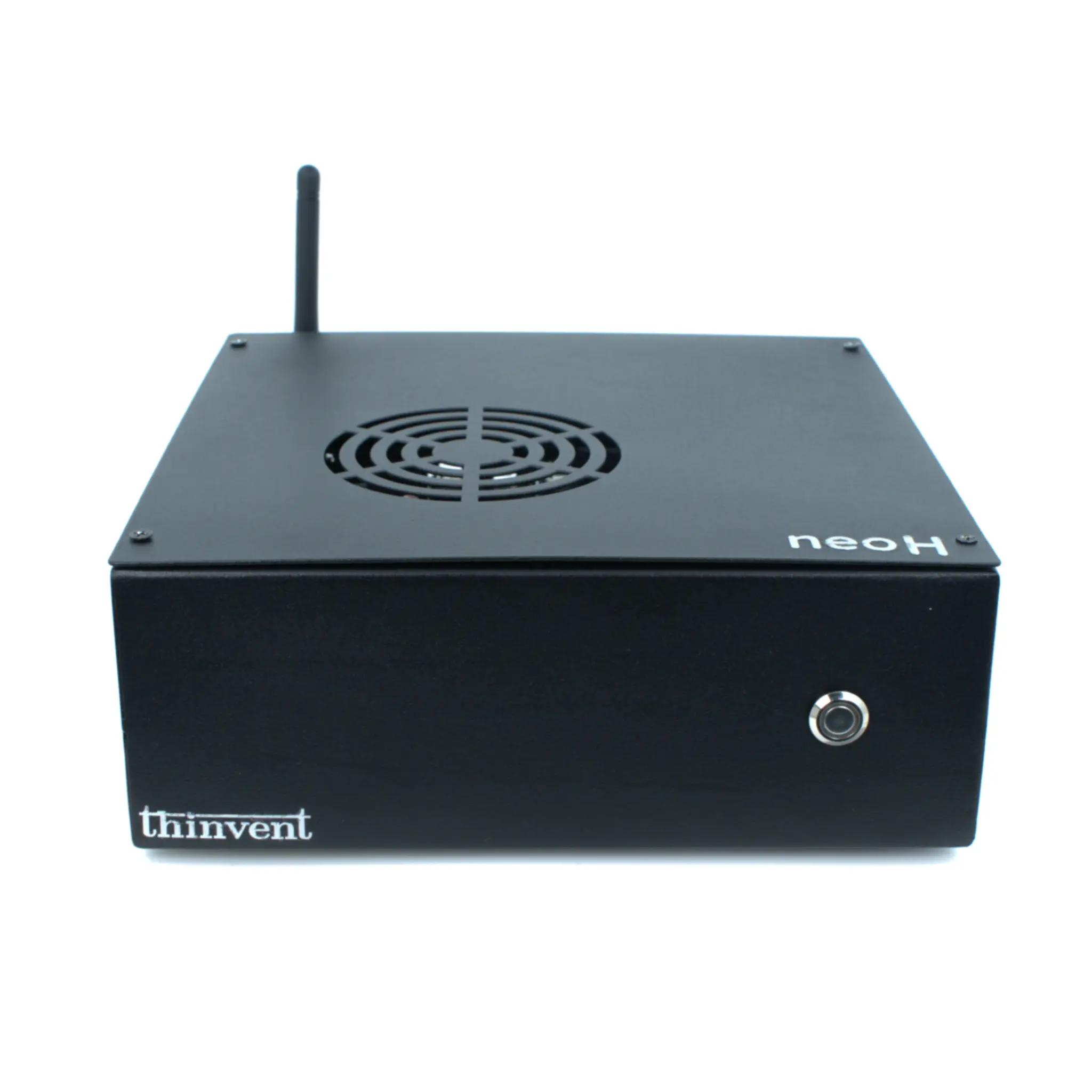
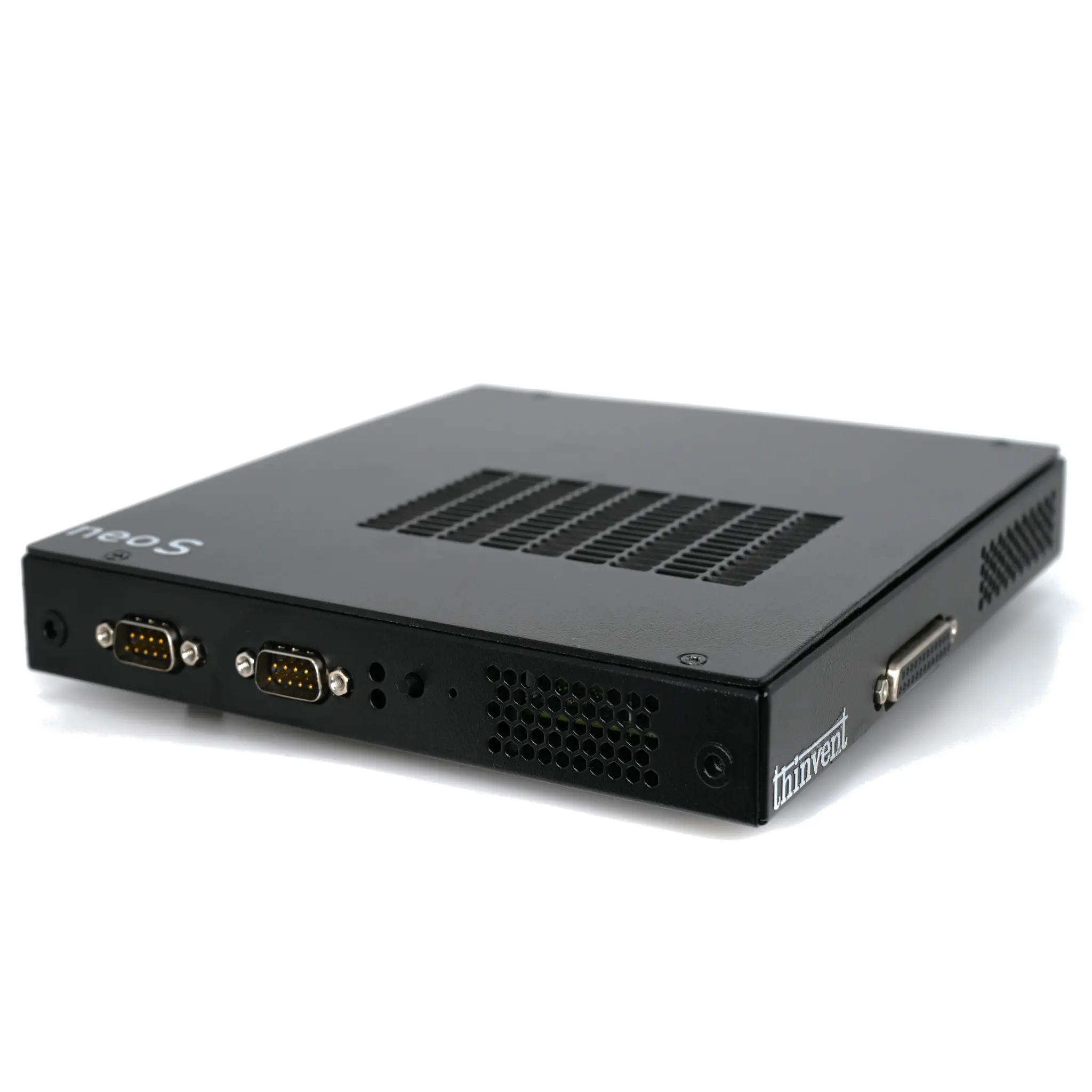
Thinvent leverages the efficiency and performance of the Intel N100 processor across its product lines to deliver reliable, fanless computing solutions. Our Treo Mini PC and Industrial PC IPC1 models are powered by the N100, offering a perfect balance of low power consumption and capable performance for business and industrial environments. These systems are pre-configured with robust memory and storage options and can run various operating systems, including Ubuntu Linux and Windows, providing a versatile platform for your specific application needs.