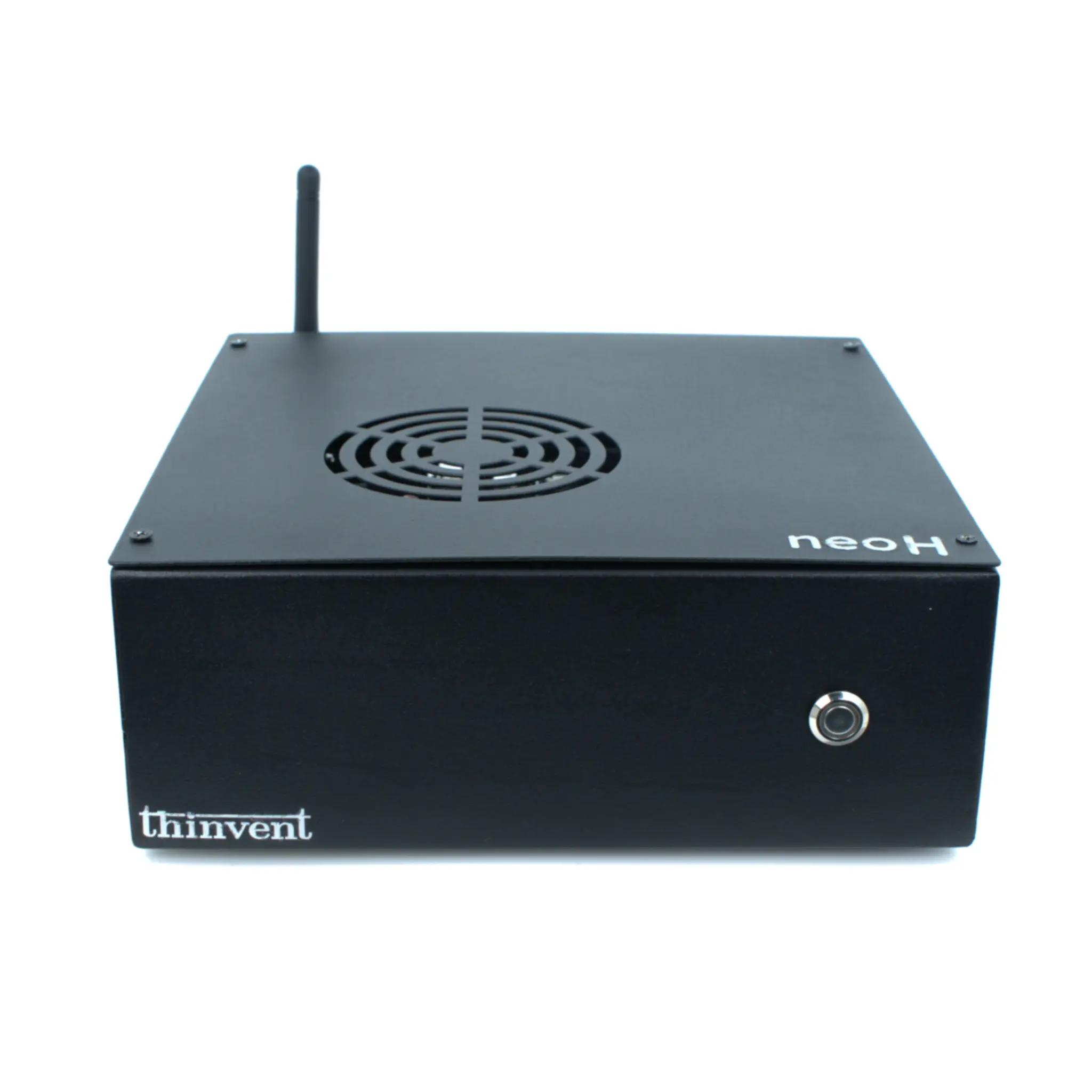
What Are Mini PCs?
A Mini PC, or Mini CPU, is a compact, space-saving desktop computer that provides full computing functionality in a significantly smaller form factor than a traditional tower. These systems are designed for efficiency, low power consumption, and reliability, making them ideal for environments where space, noise, and heat are critical concerns. They typically feature fanless cooling for silent operation and are built with industrial-grade components for 24/7 durability in demanding applications.
Key Specifications and Technical Details
Modern Mini PCs are powered by efficient processors from Intel's latest generations, such as the 12th Gen Intel N-series. Key specifications to consider include:
-
Processor: Options range from entry-level Intel Celeron and N-series CPUs (e.g., N100) for basic tasks to powerful Intel Core i3/i5 processors for more demanding workloads.
-
Memory (RAM): Configurations typically start at 4GB for lightweight applications and scale up to 32GB or more for multitasking and specialized software.
-
Storage: Solid State Drives (SSDs) from 128GB to 1TB provide fast boot times, quick application loading, and reliable data storage.
-
Connectivity: Standard features include Gigabit Ethernet, multiple USB ports (including USB 3.2 and USB-C), HDMI/DisplayPort outputs for dual monitors, and optional Wi-Fi.
-
Operating System: Choices often include Windows 11 Pro/ IoT, Ubuntu Linux, or a no-OS option for custom software deployment.
Common Use Cases and Applications
Due to their small size and robust design, Mini PCs are deployed across various sectors:
-
Digital Signage & Kiosks: Powering interactive displays in retail, hospitality, and public spaces.
-
Office Productivity: As energy-efficient desktops for general office work, web browsing, and video conferencing.
-
Industrial Automation: Embedded within machinery for process control, data acquisition, and HMI interfaces in factories.
-
Thin Client & VDI: Acting as endpoints for virtual desktop infrastructure, centralizing management and security.
-
Edge Computing: Processing data locally in IoT networks, reducing latency and bandwidth usage.
Comparison of Common Mini PC Processors
| Processor Model | Series | Cores/Threads | Typical Use Case |
|---|---|---|---|
| Intel N100 | N-series (Entry) | 4 Cores / 4 Threads | Basic computing, digital signage, thin clients |
| Intel N95 | N-series (Entry) | 4 Cores / 4 Threads | Light office work, POS systems |
| Intel 1215U | Core i3 (Mainstream) | 6 Cores / 8 Threads | Office productivity, multi-tasking, light graphics work |
| Intel 1315U | Core i3 (Mainstream) | 6 Cores / 8 Threads | Enhanced performance for business applications |
Thinvent Mini PC Solutions
Thinvent offers a comprehensive range of industrial-grade Mini PCs designed for reliability and performance. Our Aero Mini PC series, for example, features the efficient Intel N100 processor, fanless cooling for silent operation, and multiple configuration options for RAM, storage, and operating systems. Built for 24/7 operation, Thinvent Mini PCs are ideal for business, industrial, and embedded applications where durability and consistent performance are paramount. We provide global support and customization to meet specific project requirements.