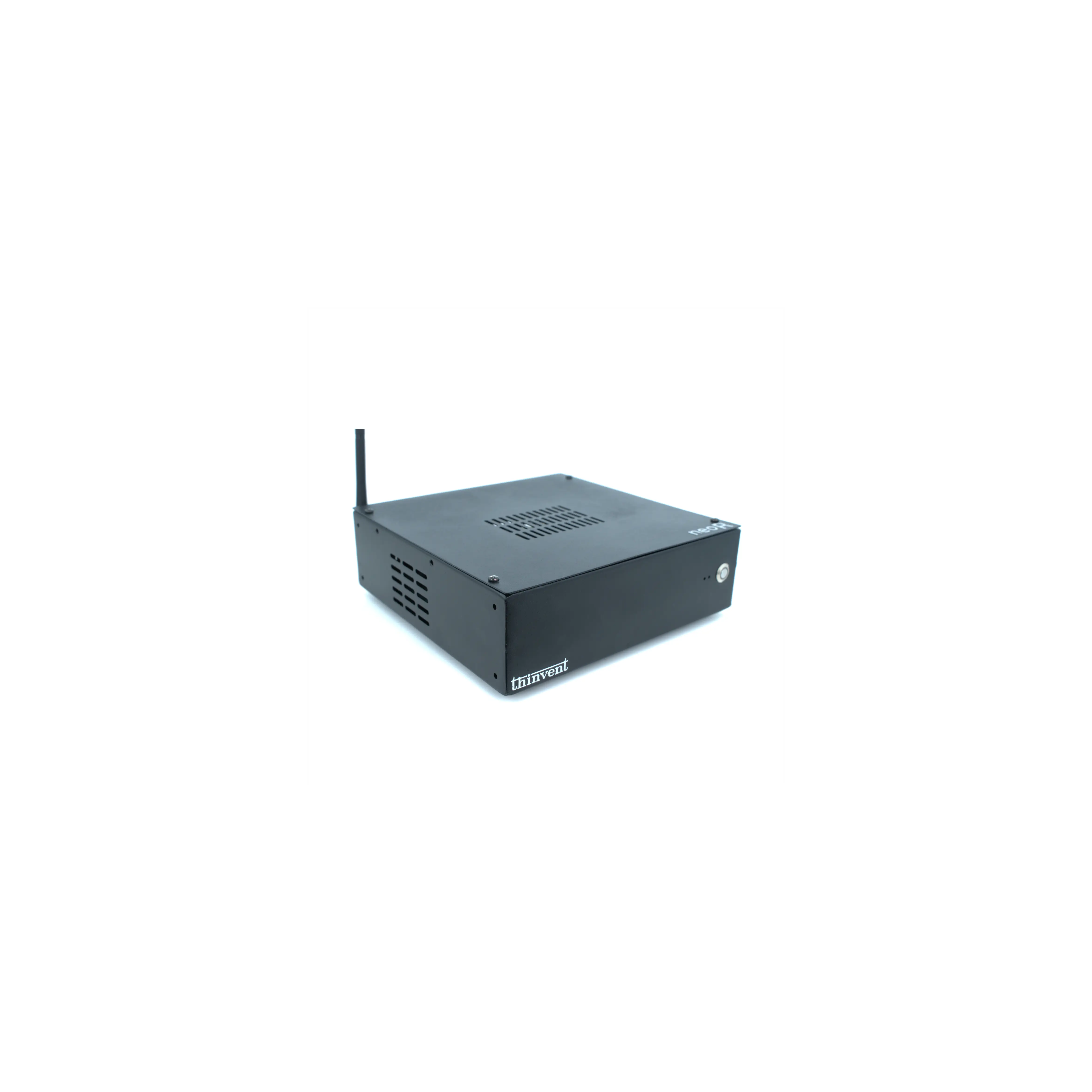
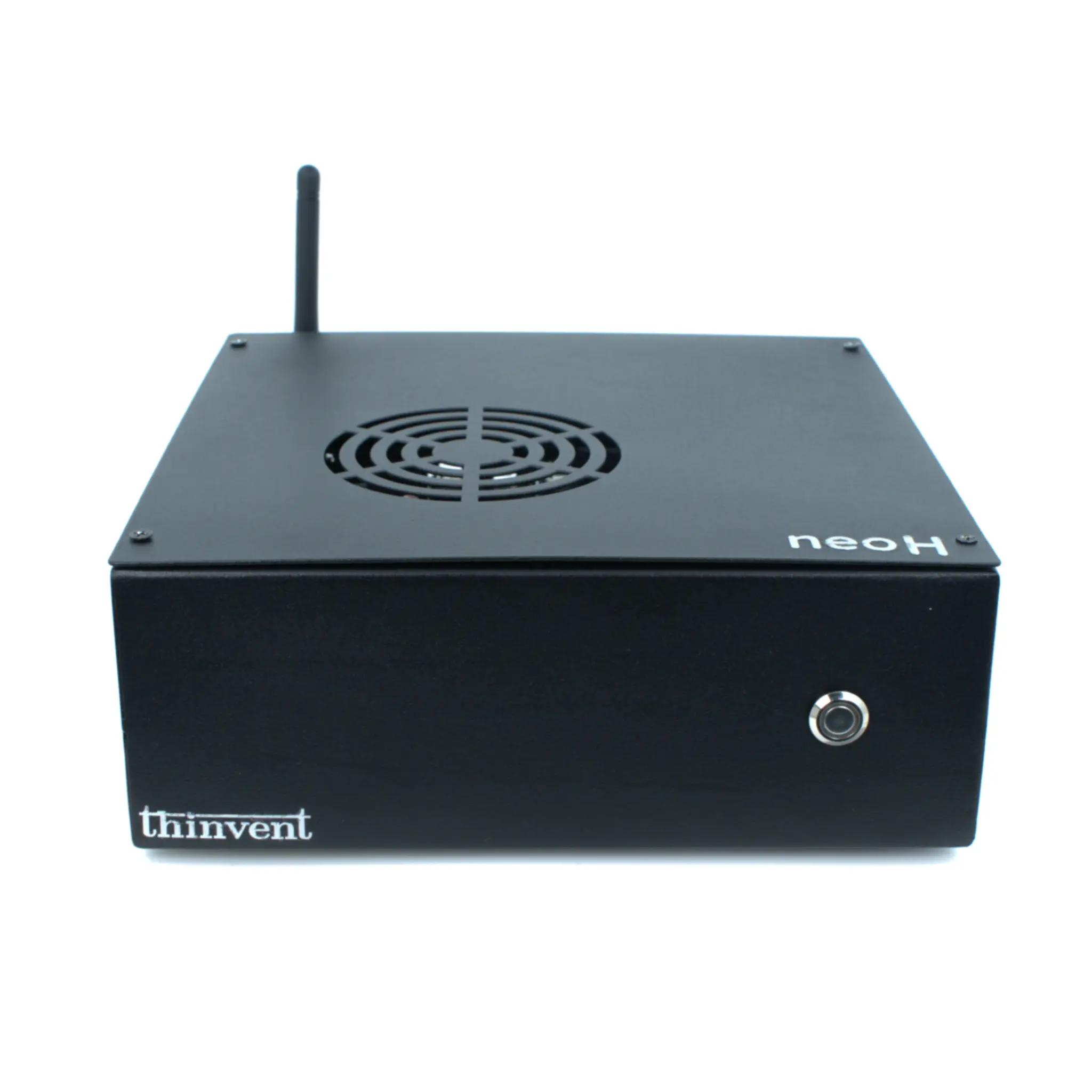
High-performance industrial PCs equipped with Intel Core i7 processors and dedicated graphics cards (typically 4GB VRAM) are engineered for demanding computational and visual workloads in rugged environments. These systems combine the raw multi-core processing power of modern i7 CPUs with the parallel processing capabilities of discrete GPUs. This synergy is essential for applications that require real-time data processing, complex visual rendering, and high-speed analytics beyond the capabilities of integrated graphics. Key specifications often include 10-core/12-thread i7 processors (like the 12th Gen i7-1255U), support for high-speed DDR4/DDR5 RAM, multiple high-bandwidth storage options (NVMe SSDs), and robust I/O including dual Gigabit Ethernet and multiple display outputs.
Key Specifications and Technical Details
The core of these systems is a high-performance Intel Core i7 processor, such as the 12th Generation i7-1255U, featuring 10 cores (2 Performance-cores and 8 Efficient-cores), 12 threads, and boost speeds up to 4.7 GHz. The defining feature is the inclusion of a dedicated, discrete graphics card with 4GB of GDDR6 (or similar) video memory, such as models from NVIDIA's T-series or AMD's embedded lineup. This GPU offloads intensive graphical and compute tasks from the CPU. Systems are built with industrial-grade components, often featuring fanless or actively cooled rugged chassis, wide-range DC power inputs (e.g., 9-36V), and extended operating temperature ranges to ensure reliability in harsh conditions.
Primary Use Cases and Applications
These powerful industrial computers are deployed in scenarios where reliability meets high graphical and computational demand. Common applications include:
-
Machine Vision & AI Inference: For quality inspection, robotic guidance, and optical character recognition (OCR) on production lines.
-
Digital Signage & Control Rooms: Driving multiple high-resolution displays in public spaces, transportation hubs, or industrial control centers.
-
Edge Computing for IoT: Processing and analyzing large sensor data streams locally in smart factories, energy grids, and autonomous systems.
-
Simulation & Training: Powering immersive training simulators for manufacturing, aviation, and defense.
-
Medical Imaging: Assisting in the processing and display of diagnostic images from CT, MRI, or ultrasound machines.
Comparison: Integrated vs. Dedicated Graphics in Industrial PCs
| Feature | Integrated Graphics (Intel® Iris® Xe) | Dedicated Graphics Card (4GB) |
|---|---|---|
| Processing Power | Handles basic display and light multimedia. | Dedicated GPU for parallel processing of complex visuals and algorithms. |
| Memory | Shares system RAM (DDR4/DDR5). | Has its own dedicated, faster video memory (GDDR6). |
| Use Case Fit | General HMI, basic monitoring, office tasks. | Advanced 3D rendering, real-time video analytics, deep learning, multi-4K display support. |
| Thermal/ Power | Lower power consumption, easier for fanless designs. | Higher power draw and heat output, often requiring enhanced cooling. |
| Cost & Complexity | Lower cost, simpler system integration. | Higher cost, requires more robust chassis and power design. |
Thinvent's High-Performance Industrial Computing Solutions
Thinvent offers a range of robust industrial computing solutions designed for challenging environments. While the specific sample configurations listed feature powerful 12th Gen Intel Core i7-1255U processors, it's important to note that systems with dedicated, discrete graphics cards represent a specialized tier for maximum graphical throughput. Thinvent's engineering expertise allows for the customization of platforms—including our Industrial PC (IPC) and ruggedized Mini PC form factors—to integrate suitable dedicated GPUs based on project requirements. This ensures you get a balanced, reliable system where the high-performance CPU, discrete GPU, industrial connectivity, and rugged construction are perfectly matched to your application's demands for graphics-intensive edge computing, machine vision, and control systems.