What Are Mini PCs?
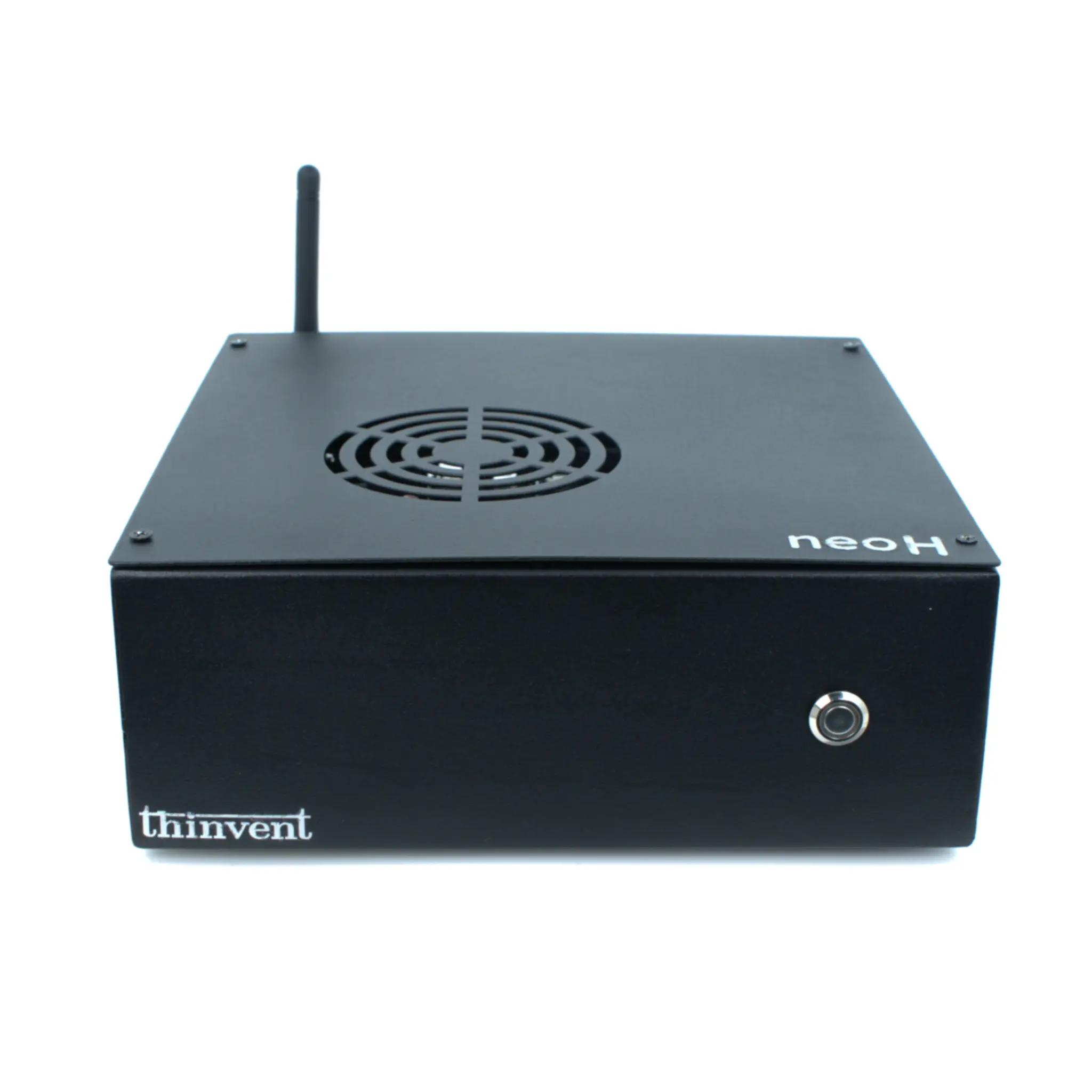
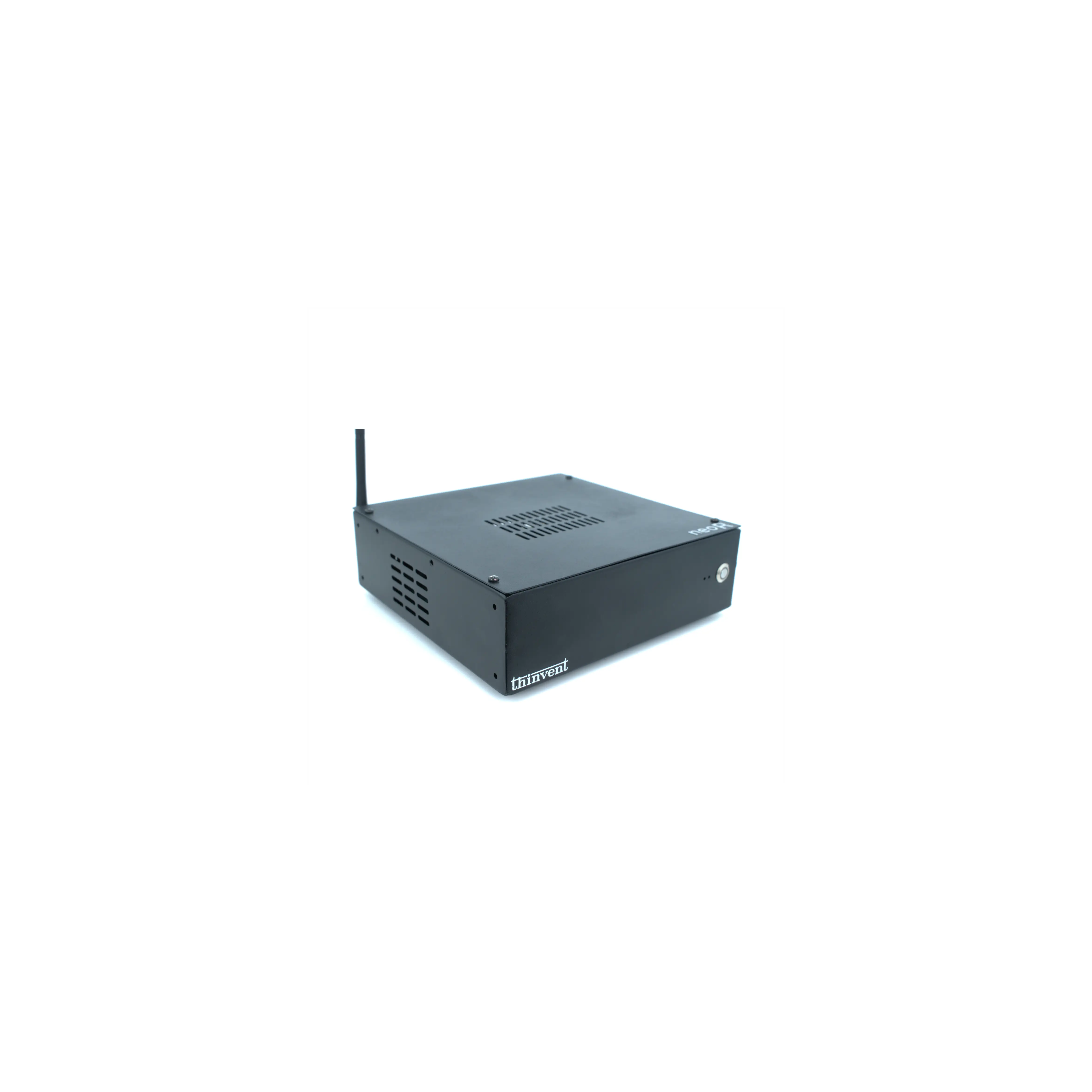
A Mini PC is a compact, space-saving desktop computer that provides full computing functionality in a significantly smaller form factor than a traditional tower. These devices are designed for efficiency, low power consumption, and quiet, fanless operation, making them ideal for environments where space, noise, and reliability are critical. They typically feature modern processors, solid-state storage, and a range of connectivity options to handle everyday business, industrial, and digital signage tasks.
Key Specifications and Technical Details
Modern industrial-grade Mini PCs are built around low-power, high-efficiency processors like the Intel N-series. Key specifications to consider include:
-
Processor: Intel processors such as the N100 offer a balance of performance and power efficiency with 4 cores and speeds up to 3.4 GHz.
-
Memory (RAM): Configurations typically range from 8GB to 16GB of DDR4 RAM for smooth multitasking.
-
Storage: Fast SSD storage, commonly 128GB or 256GB, ensures quick boot times and responsive application performance.
-
Cooling: A fanless, passively cooled design eliminates moving parts, reducing points of failure, preventing dust ingress, and enabling silent 24/7 operation.
-
Connectivity: Standard features include Gigabit Ethernet for network reliability, multiple USB ports (including USB 3.2), and HDMI outputs for dual-display setups.
Use Cases and Applications
The compact and robust nature of Mini PCs makes them suitable for a wide array of applications:
-
Digital Signage & Kiosks: Perfect for driving displays in retail, hospitality, and public information systems due to their small size and silent operation.
-
Office Productivity: An excellent choice for general office work, web browsing, and communication software, freeing up desk space.
-
Industrial Automation: Their fanless design makes them resistant to dust and capable of operating in harsh environments on factory floors or in control rooms.
-
Thin Client & VDI: Can be configured as endpoints for virtual desktop infrastructure, centralizing management and security.
-
Edge Computing: Deploy at remote locations for data processing with minimal power and space requirements.
Comparison: Mini PC vs. Traditional Desktop
| Feature | Industrial Mini PC | Traditional Desktop Tower |
|---|---|---|
| Form Factor | Extremely compact (often palm-sized) | Large, requires significant desk/floor space |
| Cooling | Fanless, silent, passive cooling | Active cooling with fans, can be noisy |
| Power Consumption | Very low (often 10W-30W) | Moderate to High (65W+ for CPU alone) |
| Durability | Designed for 24/7 operation, resistant to vibration/dust | Standard consumer-grade components |
| Deployment | Mountable (VESA), flexible placement | Limited placement options |
| Typical Use | Embedded, industrial, space-constrained offices | General-purpose, high-performance gaming/workstations |
Thinvent Mini PCs Featuring This Technology
Thinvent specializes in reliable, industrial-grade Mini PCs designed for demanding applications. Our Aero series, for example, embodies the core principles of compact computing. Built with efficient Intel N-series processors, these units offer fanless operation for complete silence and enhanced longevity. They come pre-configured with robust memory and SSD storage options and support a variety of operating systems, including Windows 11, Ubuntu Linux, and our own Thinux™ embedded platform, providing a versatile solution for global business and industrial deployments.