When building or selecting a Network Attached Storage (NAS) device, the processor is a critical component that dictates performance, power efficiency, and overall capability. The Intel Processor N100 and the Intel Celeron J6412 are both popular low-power options, but they represent different architectural generations and performance tiers. This guide compares their key specifications to help you choose the right CPU for your NAS needs.
Key Specifications & Architecture
The Intel Celeron J6412 is part of the older Gemini Lake Refresh generation (10nm), featuring 4 cores and 4 threads with a maximum turbo frequency of 2.6 GHz. It has a Thermal Design Power (TDP) of 10W and supports up to 32 GB of DDR4/LPDDR4 memory. Its integrated graphics is the Intel UHD Graphics 600.
In contrast, the Intel Processor N100 is built on the newer Alder Lake-N architecture (Intel 7 process). It also has 4 cores and 4 threads but can boost up to 3.4 GHz. Crucially, it operates at a lower base power of 6W. It supports faster DDR5/LPDDR5 memory (up to 16 GB) and features the more capable Intel UHD Graphics (24 EU). The N100 also supports PCIe 3.0 and offers a larger 6 MB Intel Smart Cache.
Performance & Power Efficiency for NAS
For NAS applications, performance is measured in data throughput, transcoding capability, and responsiveness when handling multiple services (like Docker containers, media servers, or virtual machines). Benchmark data shows the N100 delivers a significant performance uplift, being approximately 38% faster in single-threaded tasks. This translates to snappier system responsiveness and better handling of single-threaded NAS applications.
While multi-core performance is closer due to the same core count, the N100's modern architecture and higher clock speeds give it a consistent edge. Furthermore, the N100 achieves this higher performance at a lower power draw, making it more energy-efficient—a key consideration for 24/7 NAS operation. The N100's integrated GPU also supports more modern video codecs, providing superior hardware-accelerated transcoding for Plex, Jellyfin, or Emby media servers.
Ideal Use Cases
-
Intel Celeron J6412: Suitable for basic, low-cost NAS builds focused on simple file storage, backup, and light-duty tasks. It's a competent choice for a secondary backup server or a lightweight home server with minimal concurrent users.
-
Intel Processor N100: The recommended choice for modern, efficient NAS builds. It excels in home and small office NAS setups requiring good performance for file serving, running several containers, media transcoding (including 4K), and acting as a lightweight application server. Its efficiency makes it ideal for always-on, silent, fanless designs.
| Feature | Intel Celeron J6412 | Intel Processor N100 | Advantage |
|---|---|---|---|
| Generation | Gemini Lake Refresh | Alder Lake-N | N100 (Newer) |
| Cores/Threads | 4 / 4 | 4 / 4 | Tie |
| Max Turbo Frequency | 2.6 GHz | 3.4 GHz | N100 |
| TDP | 10W | 6W | N100 (More Efficient) |
| Memory Support | DDR4/LPDDR4 | DDR5/LPDDR5 | N100 (Faster) |
| GPU (Transcoding) | Intel UHD Graphics 600 | Intel UHD Graphics (24 EU) | N100 |
| Single-Core Perf. | Baseline | ~38% Higher | N100 |
Thinvent Products Featuring Intel N100 Technology
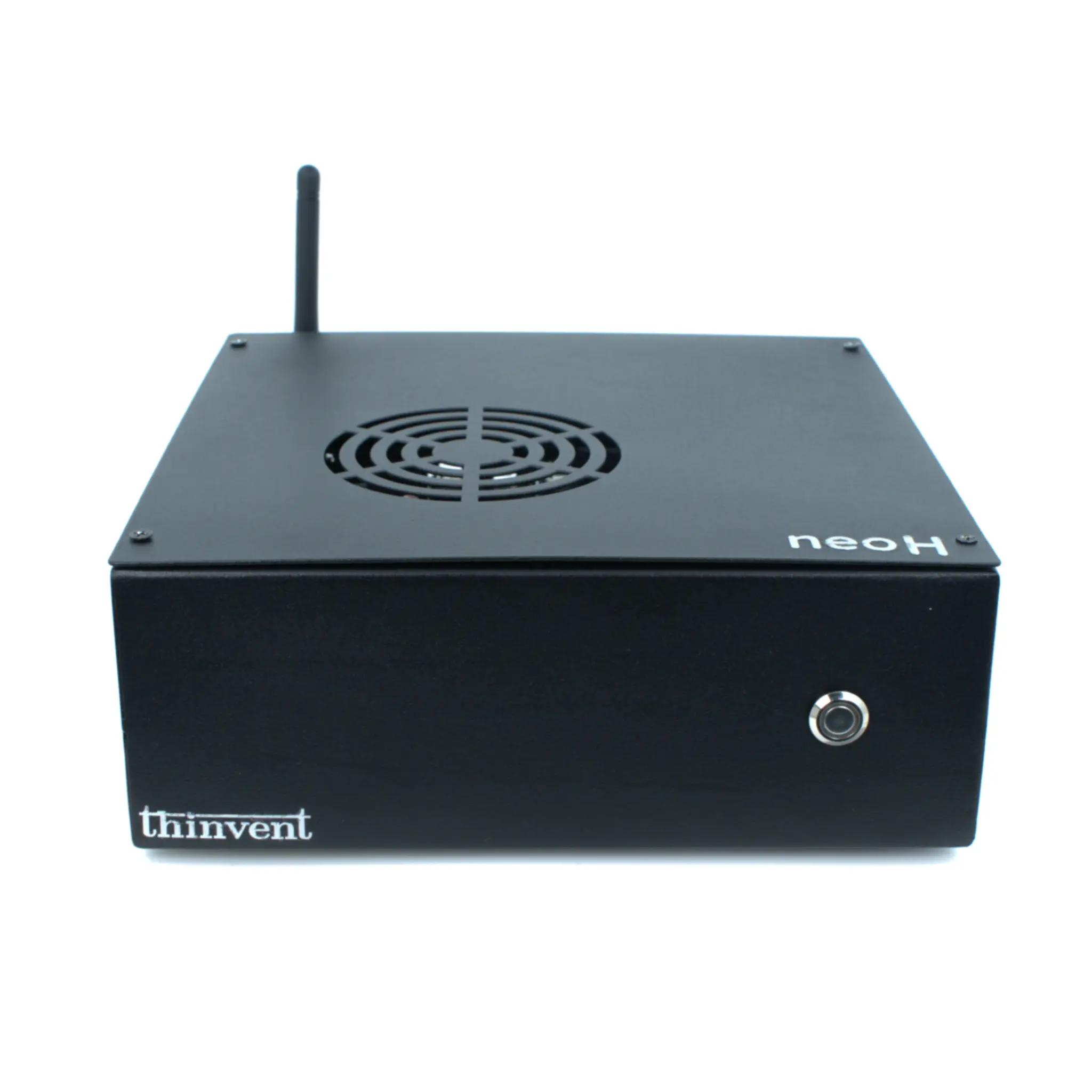
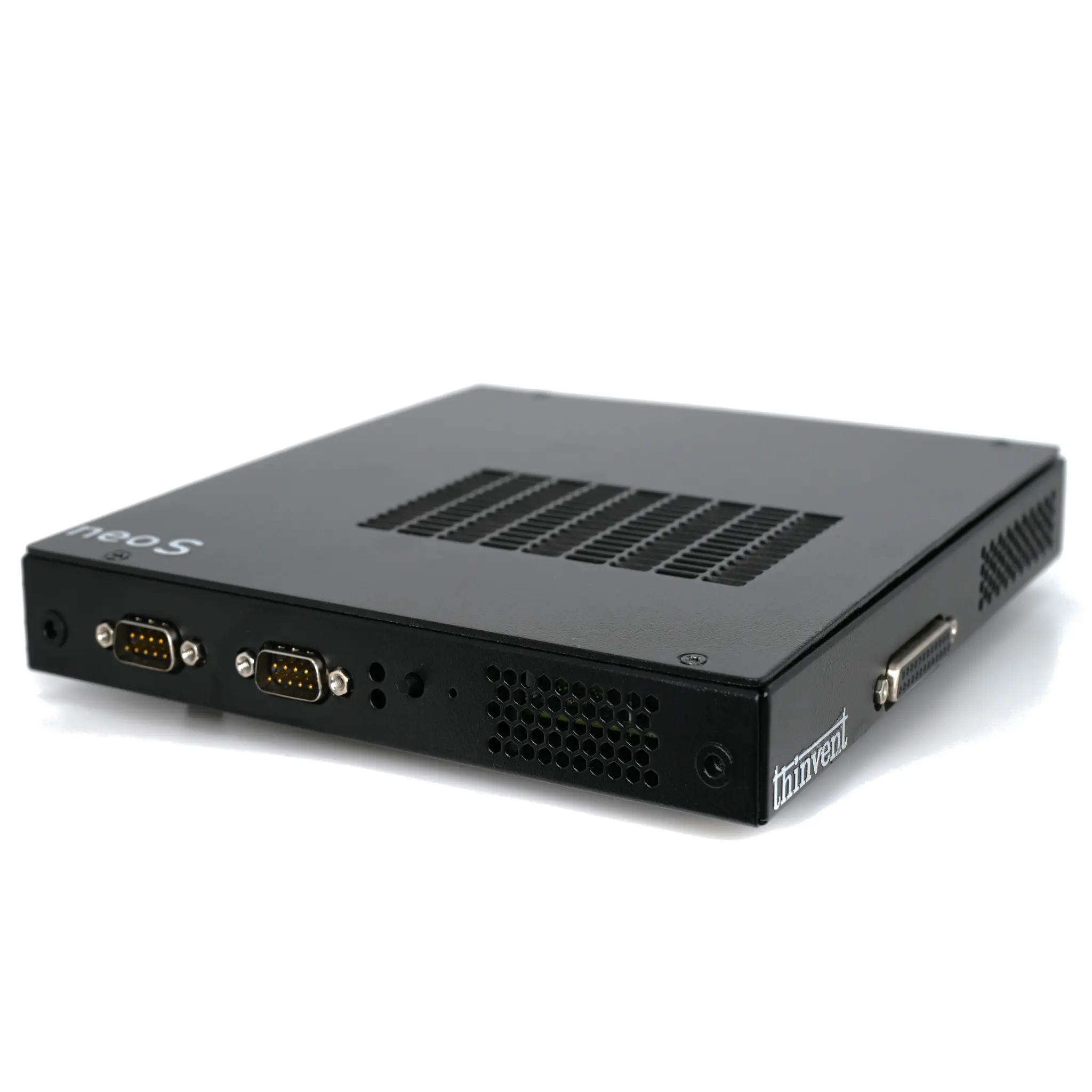
Thinvent leverages the efficiency and performance of the Intel Processor N100 in several of its compact computing solutions, perfect for building dedicated, low-power NAS servers or all-in-one home servers. Our Treo Mini PC and Industrial PC IPC1 models are equipped with the quad-core N100 processor, offering a balance of capable processing, low heat output, and support for standard DDR4 RAM and SSD storage. These fanless, rugged designs ensure silent 24/7 operation, making them excellent hardware platforms for DIY NAS projects using software like TrueNAS, UnRAID, or OpenMediaVault. For users seeking a ready-to-deploy, compact, and reliable computing core for storage and server applications, Thinvent's N100-based systems provide a modern and efficient foundation.