What is an Intel Core Processor?
An Intel Core processor is a line of mid-to-high-performance central processing units (CPUs) designed for demanding computing tasks. Unlike entry-level Celeron or energy-efficient N-series processors, Core processors (i3, i5, i7, i9) are built with higher clock speeds, more cores and threads, larger cache sizes, and advanced technologies like Turbo Boost and Hyper-Threading. They are the preferred choice for applications requiring robust computational power, multitasking capability, and smooth performance for complex software.
Key Specifications and Technical Details
Intel Core processors are defined by their series (i3, i5, i7, i9) and generation (e.g., 10th, 12th, 14th). Higher series and newer generations offer significant improvements:
-
Cores/Threads: Ranges from 4 cores/8 threads in i3 models to 24 cores/32 threads in high-end i9 models, enabling parallel processing.
-
Clock Speed: Base frequencies start around 1.7 GHz, with Turbo Boost technology dynamically increasing speeds up to 5.8 GHz for burst performance.
-
Cache: Features larger Intel Smart Cache (e.g., 12MB to 36MB), which stores frequently accessed data close to the cores for faster execution.
-
Integrated Graphics: Most include Intel UHD or Iris Xe graphics, suitable for dual display support and light graphical workloads.
-
TDP (Thermal Design Power): Typically ranges from 15W for ultra-low-power mobile variants to 65W or more for desktop-grade performance in compact form factors.
Use Cases and Applications
Industrial computers powered by Intel Core processors are ideal for scenarios where reliability and processing muscle are critical:
-
Digital Signage & Kiosks: Driving multiple high-resolution displays with smooth media playback.
-
Factory Automation & Machine Vision: Executing real-time control software and processing image data from cameras for quality inspection.
-
Thin Clients & VDI: Serving as powerful endpoints for virtual desktop infrastructure, handling encoded video streams efficiently.
-
Edge Computing Gateways: Aggregating, processing, and analyzing data from IoT sensors at the network edge.
-
Medical Diagnostic Equipment: Providing the computational power needed for imaging and analysis software.
Comparison: Core i3 vs. i5 vs. i7
| Feature | Core i3 | Core i5 | Core i7 |
|---|---|---|---|
| Typical Core/Thread Count | 4 Cores, 8 Threads | 6-10 Cores, 12-16 Threads | 12-16 Cores, 20-24 Threads |
| Turbo Boost Technology | Yes | Yes | Yes |
| Hyper-Threading | Yes | Yes | Yes |
| Smart Cache Size | Smaller (e.g., 12MB) | Medium (e.g., 18MB) | Large (e.g., 24MB+) |
| Ideal For | Basic industrial HMI, single-app kiosks, light-duty gateways | Multi-tasking workstations, dual-display digital signage, medium machine vision | Advanced analytics, complex automation, multi-camera vision systems, high-performance computing at the edge |
Thinvent Products with Intel Core Processors
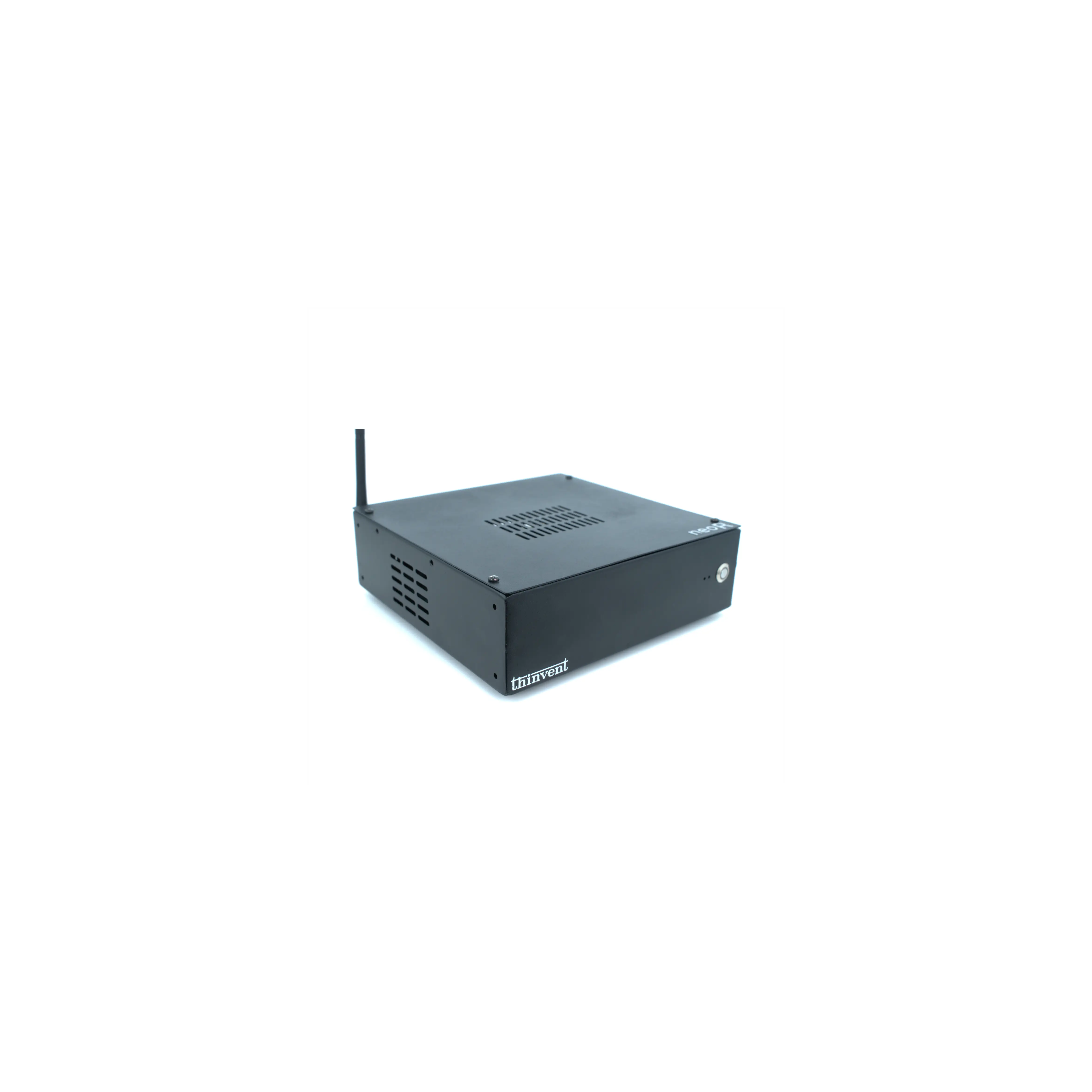
Thinvent offers a comprehensive range of robust industrial computing solutions powered by Intel Core processors. Our product lines include fanless Industrial PCs and compact Mini PCs built to withstand harsh environments with wide temperature ranges and shock/vibration resistance. These systems are configured with various Core i3, i5, and i7 processors from multiple generations to match your specific performance, power, and budget requirements. Coupled with flexible I/O options, extended lifecycle support, and a choice of operating systems, Thinvent's Core-based computers deliver the dependable performance needed for critical industrial and commercial applications worldwide.