Understanding Intel Core i3 3rd Generation PCs
An Intel Core i3 3rd Generation PC refers to a computer system built around Intel's "Ivy Bridge" microarchitecture, launched in 2012. These processors, such as the i3-3220, are dual-core CPUs with Hyper-Threading, offering four logical threads. While considered legacy technology today, they were known for their efficiency and integrated Intel HD Graphics 2500/4000, providing a solid foundation for basic computing tasks. For industrial applications, the key characteristics of this generation include a 22nm manufacturing process, support for DDR3 memory, and PCI Express 3.0.
Key Specifications and Technical Details
The technical profile of a typical 3rd Gen Core i3 system includes a dual-core processor with a base clock speed ranging from approximately 3.3 GHz to 3.8 GHz. They feature 3MB of L3 cache and a Thermal Design Power (TDP) of 55W for desktop variants. These systems traditionally used the LGA 1155 socket and Intel's 7-series chipsets (e.g., H77, B75). From a modern industrial perspective, systems based on this platform would typically support up to 32GB of DDR3-1600 RAM, SATA II/III storage interfaces, and legacy display outputs like VGA, DVI, and HDMI 1.4.
Modern Use Cases and Applications
While newer generations offer significantly better performance and efficiency, 3rd Gen i3 systems can still be viable for specific, lightweight industrial and commercial roles where raw computing power is less critical than cost-effectiveness and proven stability. Potential applications include:
-
Digital Signage & Kiosks: For static content display.
-
Basic Point-of-Sale (POS) Terminals: Running legacy retail software.
-
Thin Clients: For connecting to virtual desktop infrastructures (VDI).
-
Legacy Machine Control: Where software is locked to older hardware/OS platforms.
It is important to note that for most new deployments, modern, low-power processors like Intel's N-series or newer Core generations offer better performance-per-watt, enhanced security features, support for modern I/O (like USB 3.2), and longer-term driver/OS support.
Comparison with Modern Entry-Level Alternatives
| Feature | Intel Core i3 (3rd Gen) | Modern Alternative (e.g., Intel N100) |
|---|---|---|
| Launch Year | 2012 | 2023 |
| Process Node | 22nm | Intel 7 (10nm) |
| Cores / Threads | 2 Cores / 4 Threads | 4 Cores / 4 Threads |
| Integrated Graphics | Intel HD Graphics 2500/4000 | Intel UHD Graphics |
| Memory Support | DDR3-1600 | DDR4/DDR5 |
| TDP (Typical) | 55W | 6W |
| Modern I/O | Limited USB 3.0, SATA III | USB 3.2 Gen 2, NVMe PCIe |
| OS Support | Windows 10 (legacy), Linux | Windows 11, Modern Linux |
Thinvent's Modern Industrial Computing Solutions
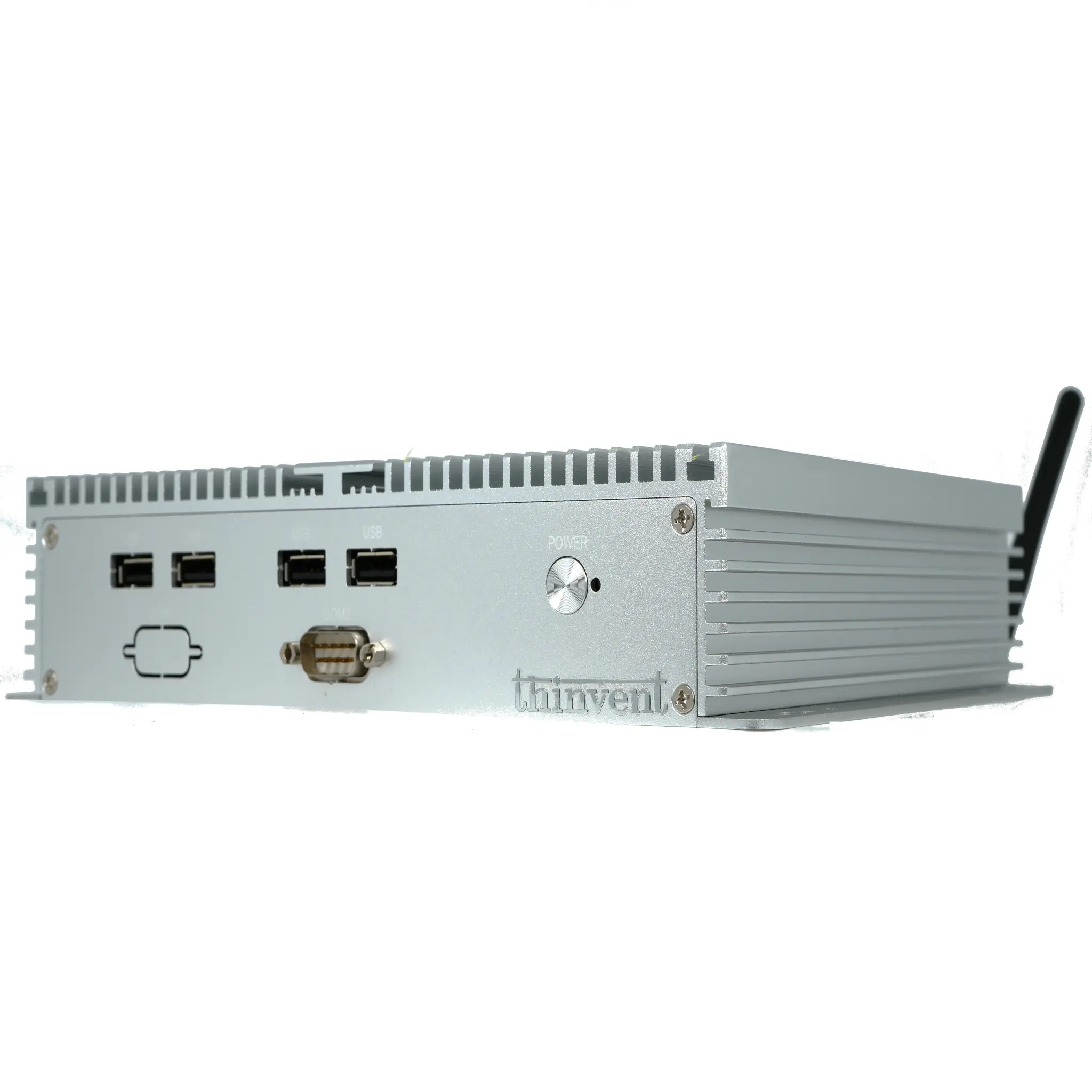
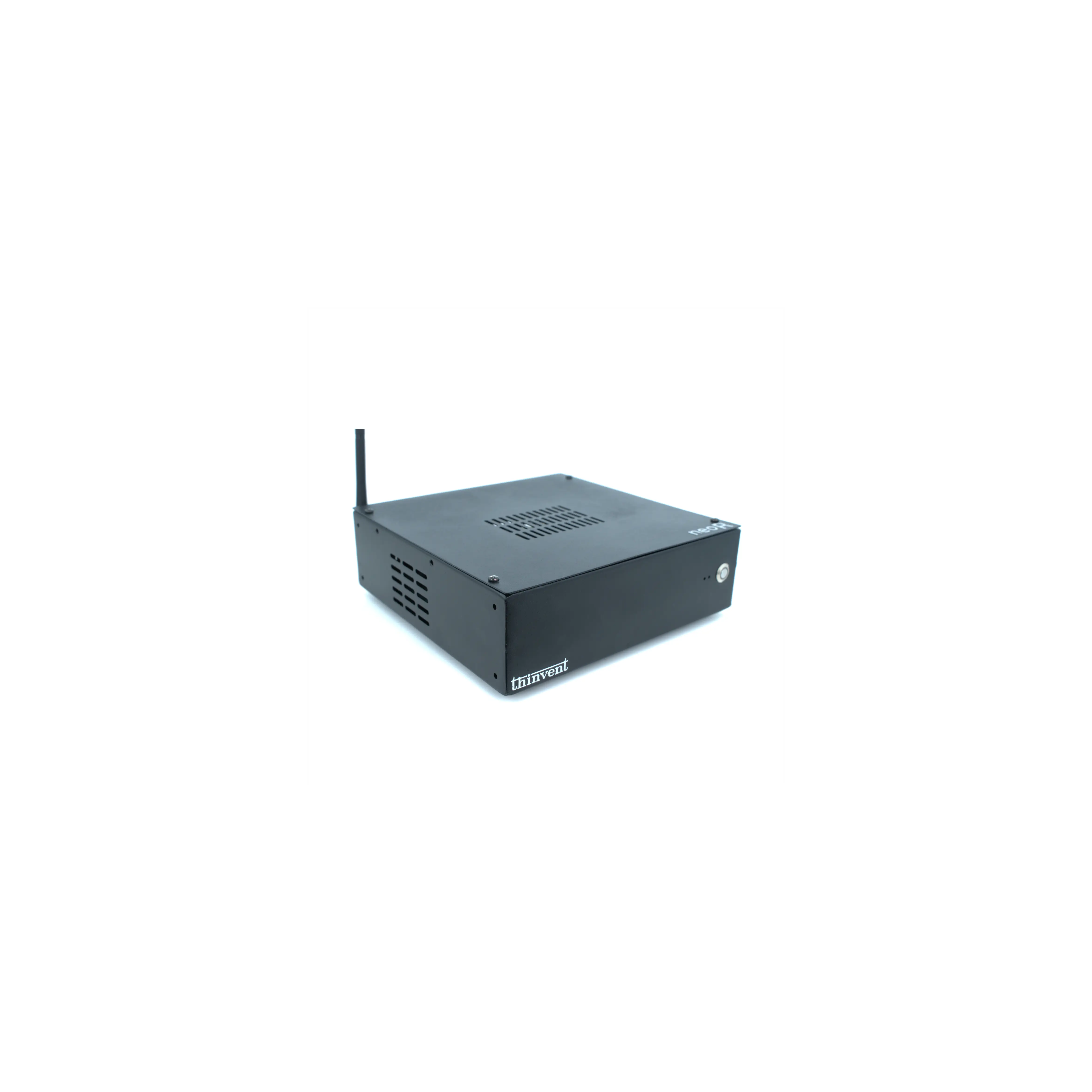
While Thinvent's current product portfolio focuses on contemporary, efficient hardware for reliability and long-term deployment, we understand the need to service legacy system requirements or find modern equivalents. Our range of fanless industrial PCs and mini PCs utilize the latest Intel and ARM processors, offering vastly superior energy efficiency, compact form factors, and robust construction for harsh environments. For users seeking a performance profile similar to or exceeding a legacy Core i3 system, we recommend exploring our systems based on Intel's N-series processors (like the N100 or N200) or our entry-level Core i3 systems from the 12th generation and newer. These provide the dependable, low-maintenance operation essential for industrial automation, edge computing, and digital signage, with the benefits of modern security, connectivity, and software support.