Understanding the i5 / 8GB / 256GB SSD / 19" Display Configuration
A system specified as Intel Core i5, 8GB RAM, 256GB SSD with a 19-inch display describes a mainstream all-in-one or desktop-class computer built around a mid-range processor, a standard memory footprint, and a solid-state drive. This combination is one of the most widely deployed office configurations because it balances responsive everyday performance with a compact, low-maintenance footprint. The Core i5 sits above entry-level Celeron and N-series chips, offering more cores, higher clock speeds, and larger cache, which translates into smoother multitasking, faster application launches, and better handling of moderately demanding workloads.
It is worth noting that 19-inch displays are now uncommon in current all-in-one production. Most modern AIO panels start at 21.5 inches and go up to 23.8 inches or larger, because panel manufacturers have shifted volume to these sizes and the cost difference is minimal. Buyers searching for a 19-inch screen are usually working from an older specification sheet or an existing deployment standard. In practice, a 21.5-inch panel occupies only marginally more desk space while providing noticeably more usable screen area for spreadsheets, point-of-sale interfaces, and multi-window work.
Key Specifications Explained
| Component | Typical Specification | What It Means in Practice |
|---|---|---|
| Processor | Intel Core i5 (e.g., i5-1240P, 12 cores, up to 4.4 GHz, 12 MB cache) | Fast response, smooth multitasking, handles office and light creative work |
| Memory | 8GB DDR4 | Comfortable for browsing, office suites, billing, and thin-client sessions |
| Storage | 256GB SSD | Quick boot and app loading; ample for OS, applications and local data |
| Display | 19"–21.5" panel | Compact desk footprint; adequate for counter, kiosk and desk roles |
| OS options | Windows 11 Pro, Windows 11 IoT, Linux, DOS | Flexibility for managed fleets and embedded deployments |
The 256GB SSD is the sweet spot for most deployments: it comfortably hosts the operating system, productivity software, and several years of documents, while leaving headroom for updates. Where larger local storage is needed, many all-in-one platforms offer higher-capacity SSD options or network storage integration.
Use Cases and Applications
This configuration is well suited to office productivity — email, documents, spreadsheets and video conferencing — as well as retail billing counters, reception and front-desk terminals, kiosk and information points, education labs, and thin-client or VDI endpoints where the heavy processing happens on a server. The all-in-one form factor is particularly valuable where space is tight or where cable clutter must be minimised: a single power cable replaces the separate monitor, tower and display cabling of a traditional desktop.
Because the display, compute and storage are integrated, AIOs also simplify fleet management — fewer parts to inventory, fewer failure points, and a single asset tag per desk. For environments with dust, heat or continuous operation, fanless or industrial-grade variants are worth considering, as they remove the moving parts most likely to require servicing.
Thinvent Products Featuring This Technology
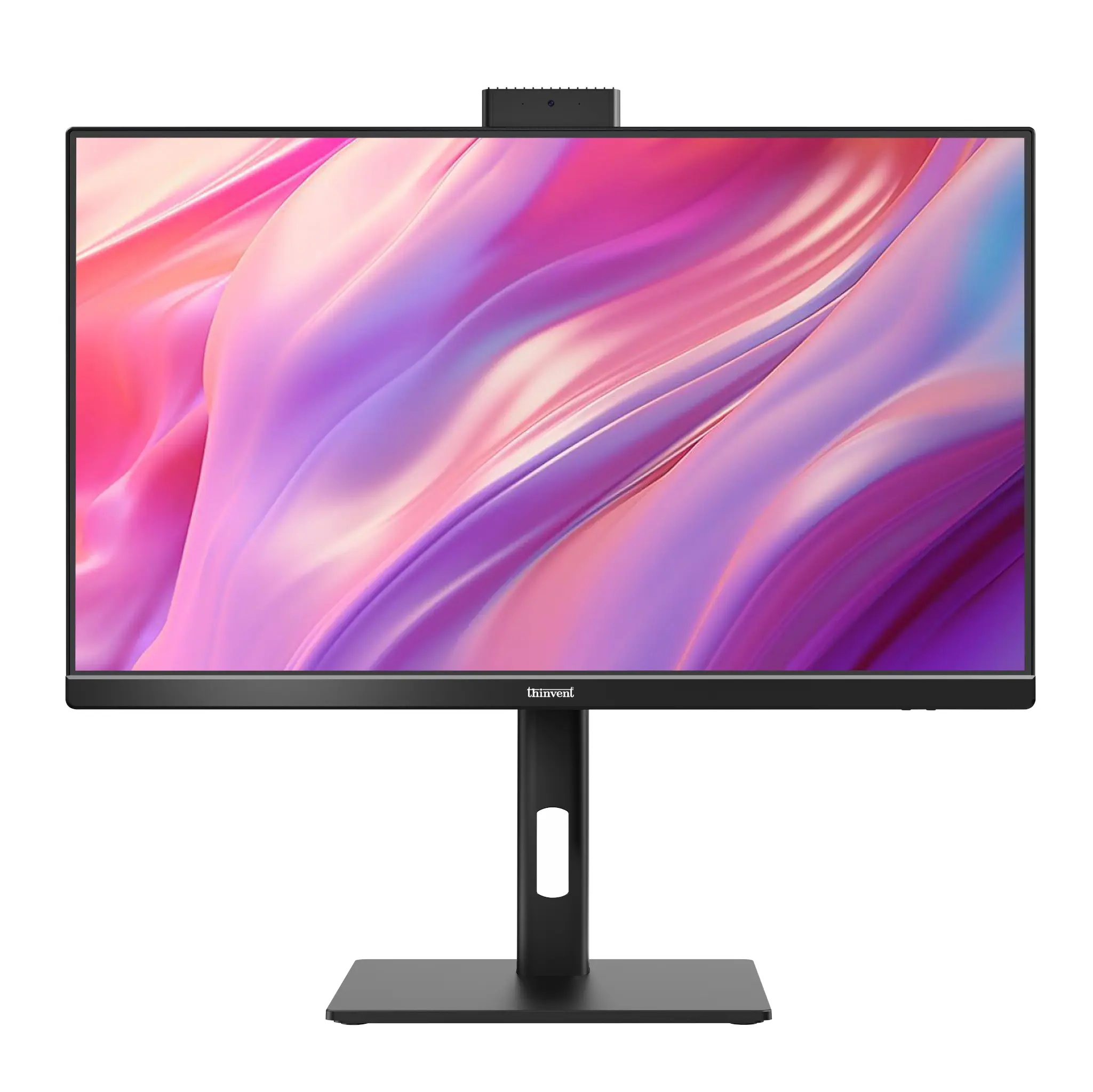
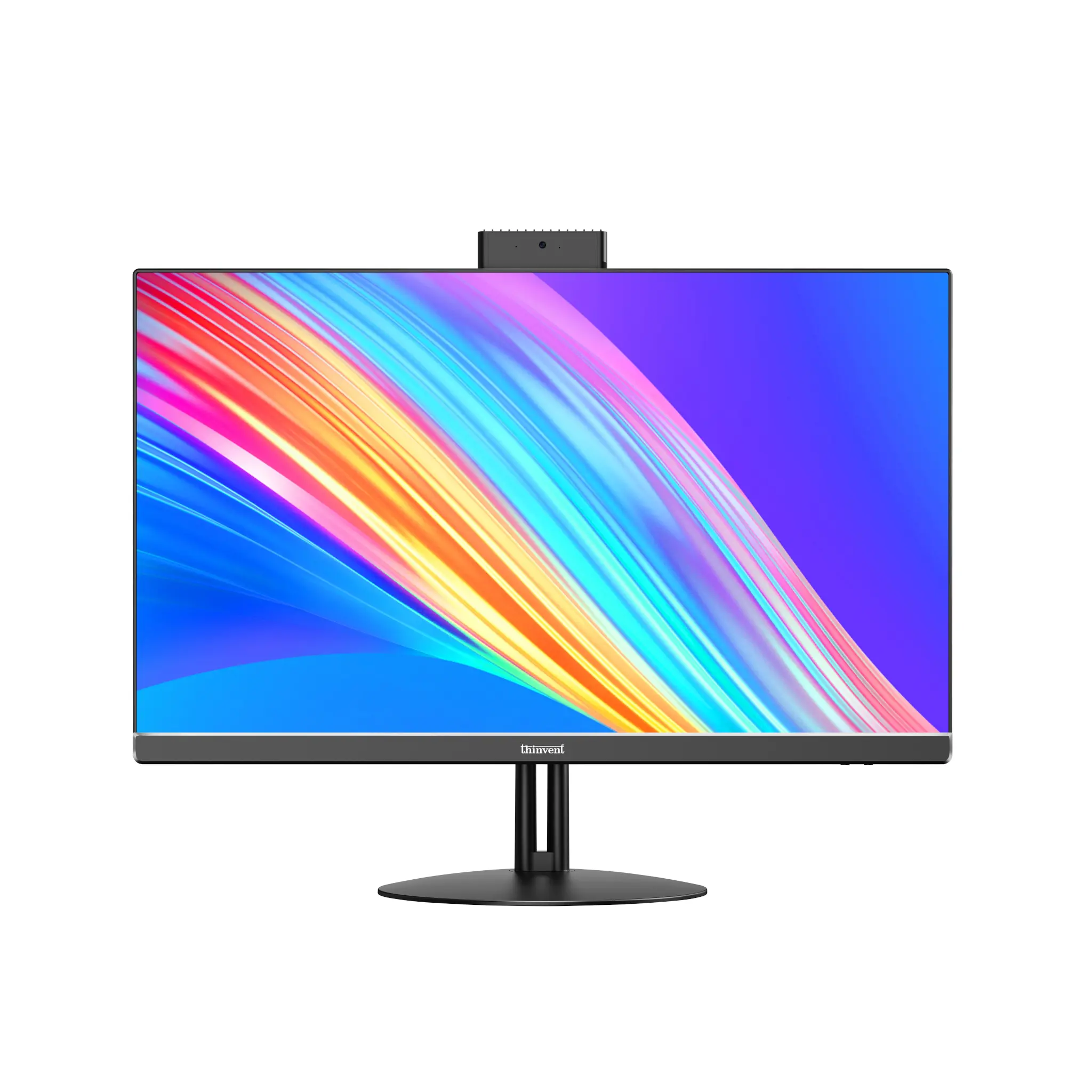
Thinvent builds all-in-one PCs and mini PCs around Intel Core i5 processors with 8GB memory and 256GB SSD storage, designed for continuous commercial operation. The Uno series all-in-one PCs pair a Core i5-1240P (12 cores, up to 4.4 GHz, 12 MB cache) with 8GB DDR4 and a 256GB SSD, available with 21.5-inch displays in fixed or height-adjustable stand configurations. Operating system choices include Windows 11 Pro, Windows 11 IoT Value, DOS and Thinux embedded Linux, so the same hardware platform can serve managed Windows fleets, locked-down kiosks, or Linux-based embedded applications. Thinvent's range also covers fanless industrial PCs and thin clients for deployments where silent operation, wide-temperature tolerance and long service life matter more than raw throughput.