Understanding Intel Core i7 Desktop Computers
Intel Core i7 desktop computers represent a high-performance tier of processors designed for demanding computing tasks. These systems are engineered to deliver exceptional speed, multitasking capability, and power efficiency, making them suitable for professional and power-user applications. Unlike entry-level processors, Core i7 CPUs typically feature higher core counts, larger cache sizes, and support for advanced technologies like Turbo Boost and Hyper-Threading, which significantly enhance performance in compute-intensive workloads.
Key Specifications and Technical Details
Modern Intel Core i7 desktops are built on advanced architectures (e.g., 12th, 13th, or 14th Generation). Key specifications to consider include:
-
Processor Cores & Threads: Typically featuring 10 to 16 cores and 12 to 24 threads, enabling parallel processing for complex applications.
-
Clock Speed: High base frequencies (often above 2.0 GHz) with Turbo Boost speeds reaching up to 5.0+ GHz for single-core performance bursts.
-
Cache Memory: Large L3 cache sizes (24MB or more) to store frequently accessed data, reducing latency.
-
Integrated Graphics: Most include Intel® UHD or Iris® Xe graphics for display output and light graphical tasks.
-
Memory & Storage Support: Support for high-speed DDR4 or DDR5 RAM (often 64GB or more) and multiple NVMe SSD slots for fast storage.
Primary Use Cases and Applications
Core i7 desktops are ideal for scenarios requiring sustained high performance. Common applications include:
-
Professional Workstations: Video editing, 3D rendering, CAD/CAM software, and software development.
-
Scientific and Data Analysis: Running complex simulations, data modeling, and statistical computations.
-
High-End Gaming: Providing a smooth experience for modern games at high settings, especially when paired with a dedicated GPU.
-
Content Creation: Live streaming, graphic design, and audio production where multitasking is crucial.
-
Virtualization: Running multiple virtual machines simultaneously for testing or server environments.
Comparison: Core i7 vs. Other Processor Tiers
| Feature | Intel Core i7 (High-Performance) | Intel Core i5 (Mainstream) | Intel Celeron/N-Series (Entry-Level) |
|---|---|---|---|
| Typical Core/Thread Count | 10-16 Cores, 12-24 Threads | 6-10 Cores, 12-16 Threads | 4 Cores, 4 Threads |
| Cache Size | Large (24MB+) | Moderate (12-20MB) | Smaller (6MB or less) |
| Clock Speed (Turbo) | Very High (Up to 5.0+ GHz) | High (Up to 4.5+ GHz) | Moderate (Up to 3.4 GHz) |
| Use Case | Professional Workloads, Heavy Multitasking | General Business, Moderate Gaming | Digital Signage, Basic Computing, IoT |
| Power Consumption | Higher | Moderate | Very Low (Fanless designs common) |
Thinvent's Range of High-Performance Solutions
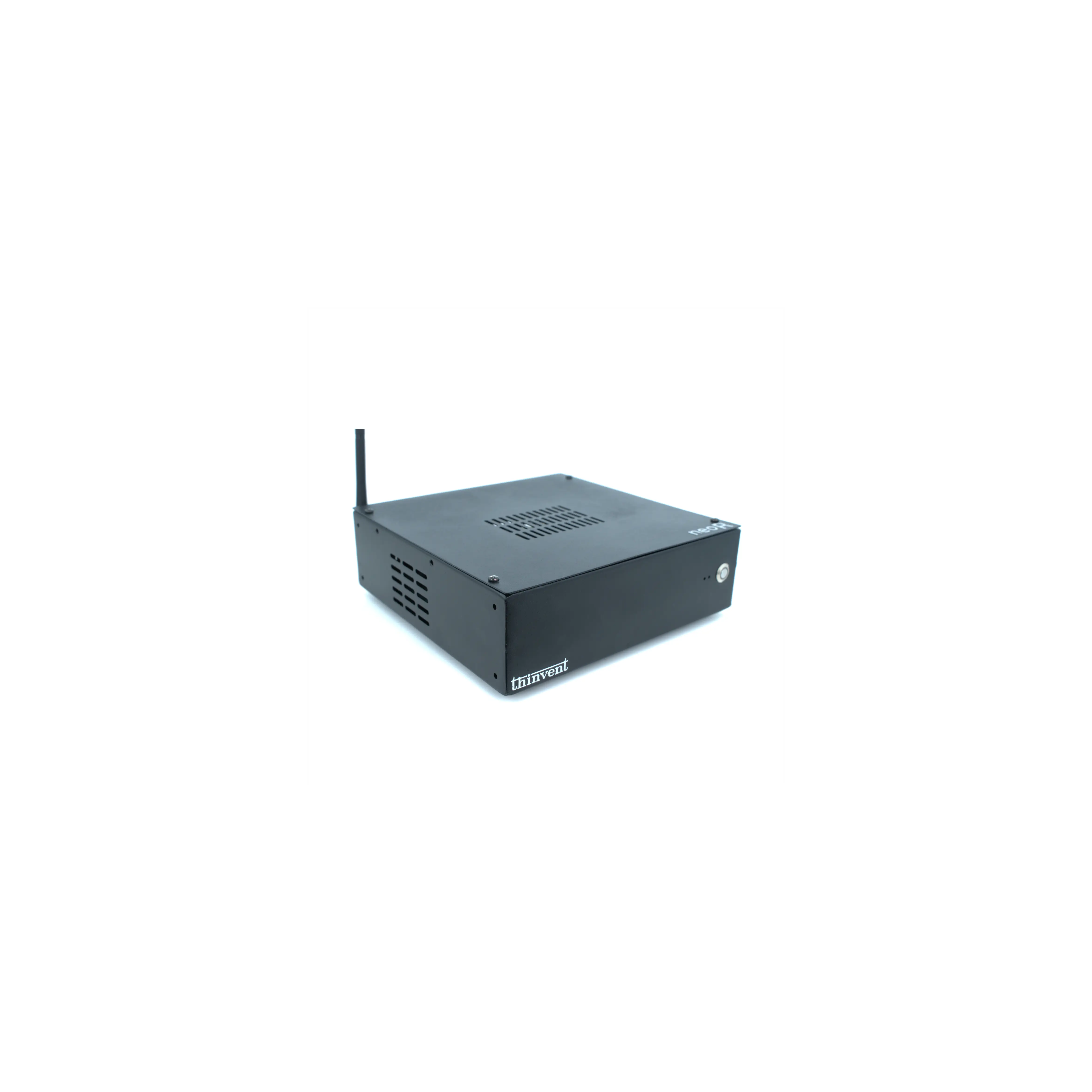
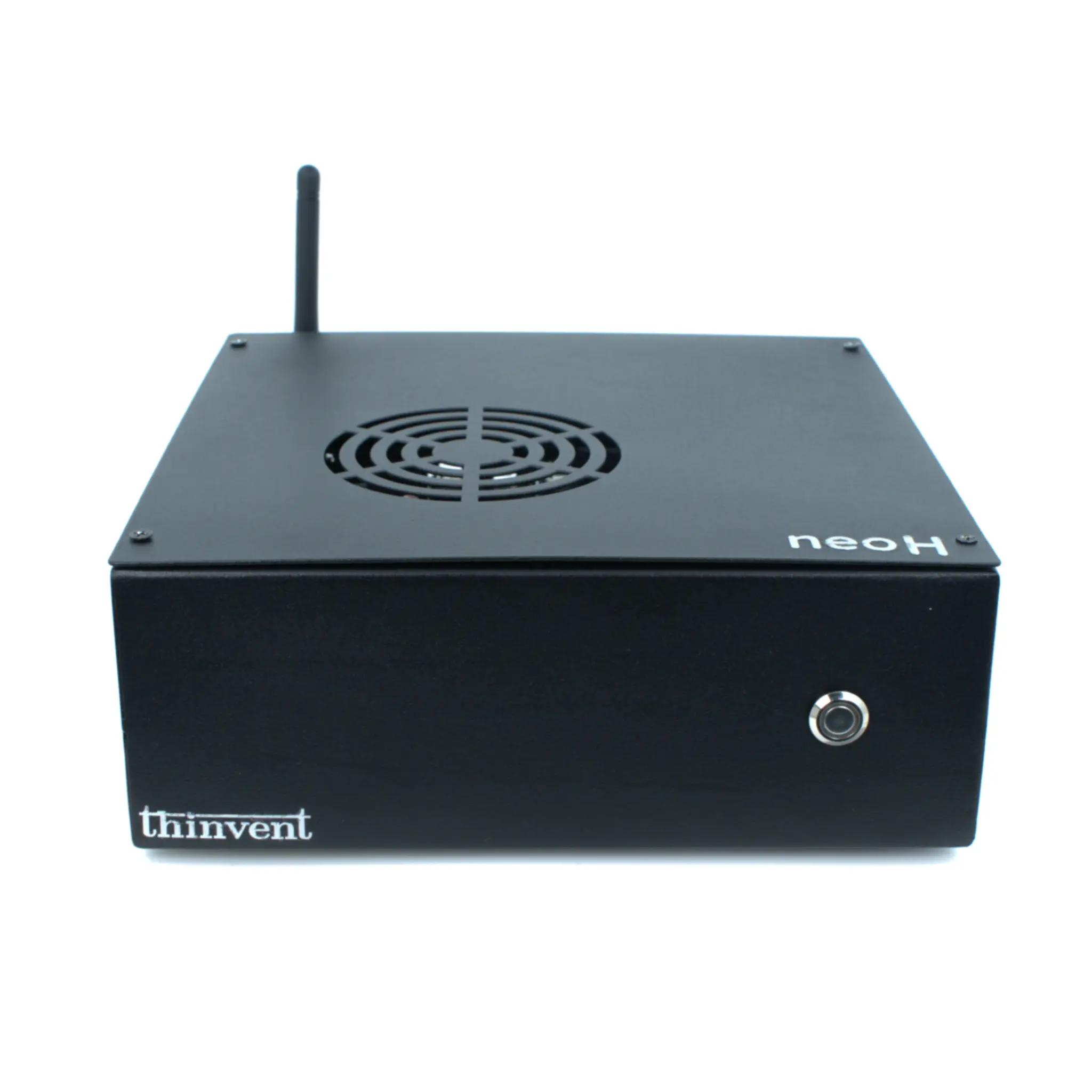
While Thinvent specializes in robust, fanless industrial computers and mini PCs, our product philosophy of reliability and performance aligns with the needs of users seeking powerful computing. For applications requiring the raw power of a Core i7 desktop—such as industrial automation control, edge AI inference servers, or compact engineering workstations—Thinvent offers customizable industrial PC solutions. These systems can be configured with high-performance Intel processors, ample RAM, and fast storage, all housed in durable, fanless chassis designed for 24/7 operation in challenging environments. Explore our product lines to find a rugged computing solution that matches the performance profile you require.