What Are the Latest Processors in Computers?
The latest processors in computers are defined by their generation, architecture, and performance capabilities. For industrial and embedded computing, the focus is on efficiency, thermal management, and long-term reliability. As of now, the most current Intel processor families include the 14th Generation Intel® Core™ processors (Raptor Lake Refresh) for high-performance workstations, and the Intel® Processor N-series (Alder Lake-N) for efficient, fanless designs. These CPUs offer significant improvements in performance-per-watt, integrated graphics, and support for modern connectivity standards compared to older generations.
Key Specifications and Technical Details
Modern processors are built on advanced manufacturing processes (e.g., Intel 7) and feature hybrid core architectures. Key specifications to consider include:
-
Generation: This indicates the architectural design year. 13th Gen (Raptor Lake) and 14th Gen are current for Core series, while 12th Gen (Alder Lake-N) is latest for the N-series.
-
Cores/Threads: More cores enable better multitasking and parallel processing. Hybrid designs combine Performance-cores (P-cores) and Efficient-cores (E-cores).
-
Clock Speed: Measured in GHz, higher speeds typically mean faster single-threaded performance.
-
Cache Memory: Larger L2/L3 cache (e.g., 12MB, 18MB) improves data access speed for the CPU.
-
Integrated Graphics: Newer Intel® UHD Graphics or Intel® Iris® Xe offer enhanced visual performance for digital signage or light graphical tasks.
-
TDP (Thermal Design Power): Lower TDP (e.g., 6W-28W) is critical for fanless, rugged industrial computers to ensure silent and reliable operation in harsh environments.
Use Cases and Applications
Computers equipped with the latest processors are ideal for demanding and always-on applications:
-
Industrial Automation & Control: Real-time processing for PLCs, HMIs, and machine vision systems.
-
Digital Signage & Kiosks: Driving multiple high-resolution displays with smooth media playback.
-
Edge Computing & IoT Gateways: Processing data locally with AI inference capabilities at the network edge.
-
Thin Clients & VDI: Providing a responsive user experience for virtual desktop infrastructure.
-
Transportation & In-Vehicle Computing: Reliable operation in wide-temperature and high-vibration settings.
Processor Comparison for Industrial Applications
| Feature | Intel® Core i-series (13th/14th Gen) | Intel® Processor N-series (N100/N200) | Typical Use Case |
|---|---|---|---|
| Core Architecture | Hybrid (P-cores & E-cores) | Efficient-cores (E-cores only) | High-performance vs. Power-efficient |
| Max Turbo Frequency | Up to 5.0+ GHz | Up to ~3.4-3.7 GHz | CPU-Intensive Tasks |
| TDP Range | 28W - 65W (Mobile) | 6W - 15W | Fanless/Embedded Designs |
| Graphics | Intel® Iris® Xe / UHD Graphics | Intel® UHD Graphics | Basic to Advanced Visuals |
| Ideal For | Workstations, AI inference, complex analytics | Digital signage, thin clients, IoT gateways, kiosks |
Thinvent Products Featuring Latest Processors
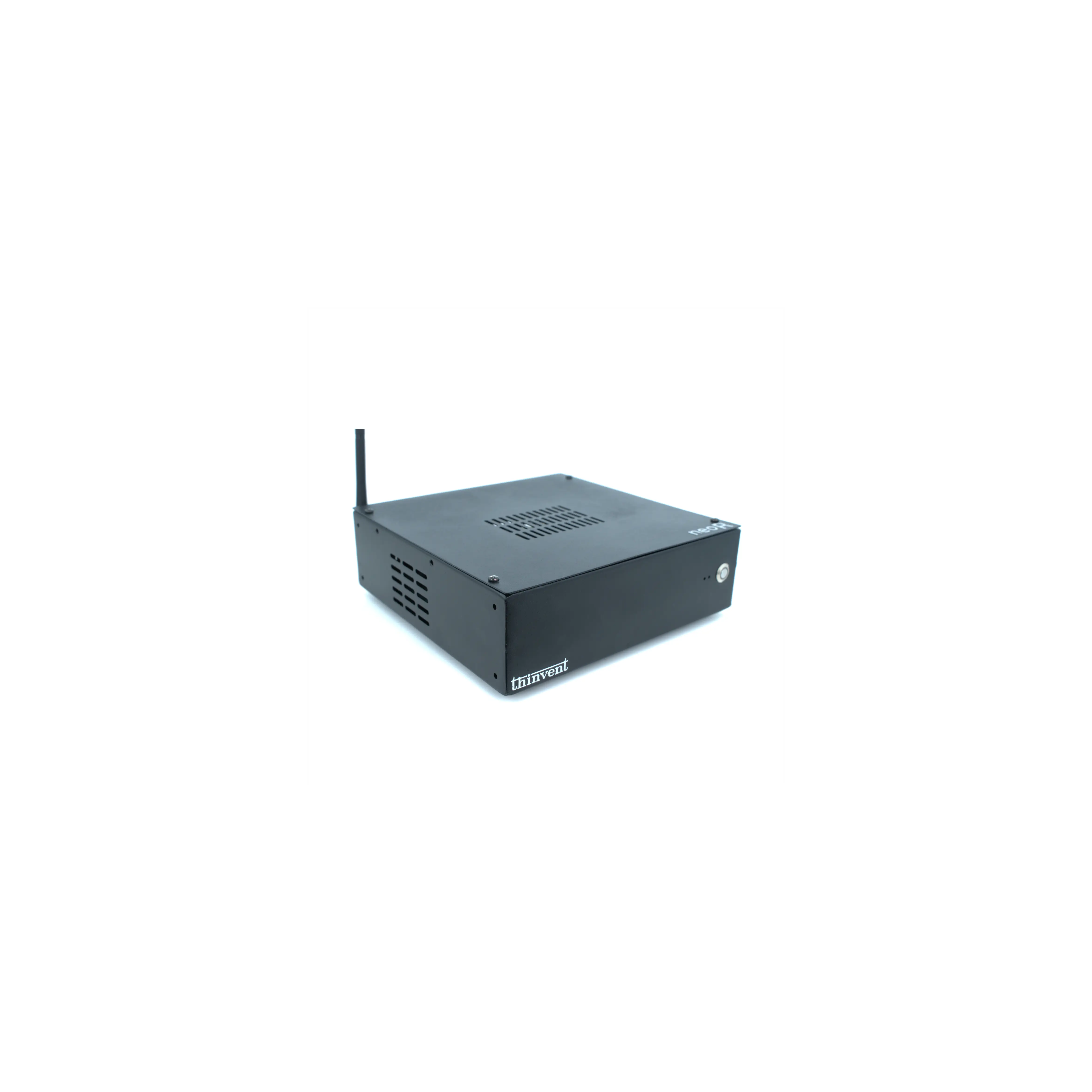
Thinvent's industrial computing solutions integrate the latest processor technology to deliver reliability and performance. Our product range includes compact Mini PCs and Industrial PCs powered by current-generation Intel CPUs like the efficient Intel N100 and the powerful 13th Gen Intel Core i5. These systems are engineered for fanless operation, wide-temperature tolerance, and long-term availability, making them perfect for deployment in challenging industrial, retail, and commercial environments. Explore our catalog to find the right balance of processing power, I/O connectivity, and rugged design for your specific application.