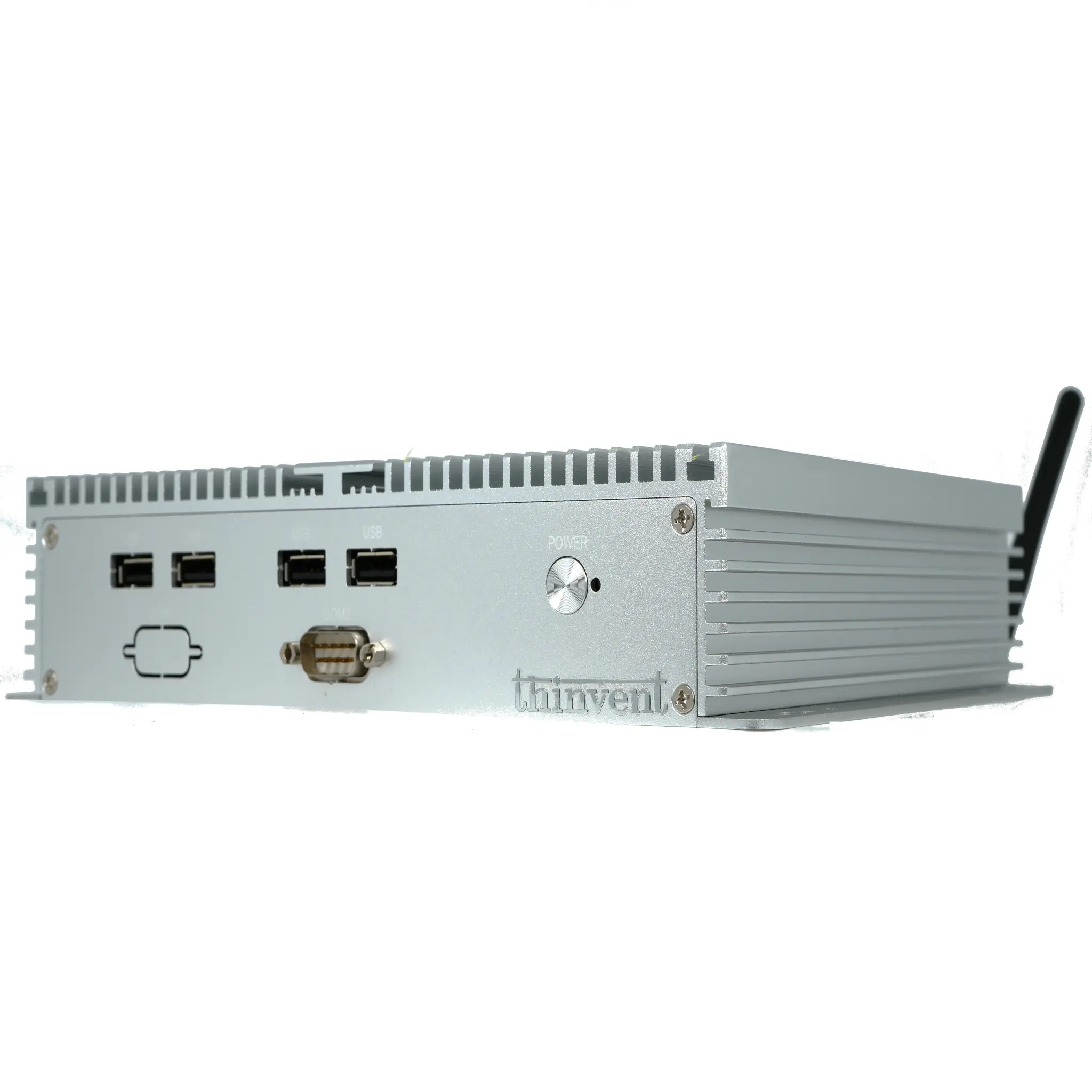
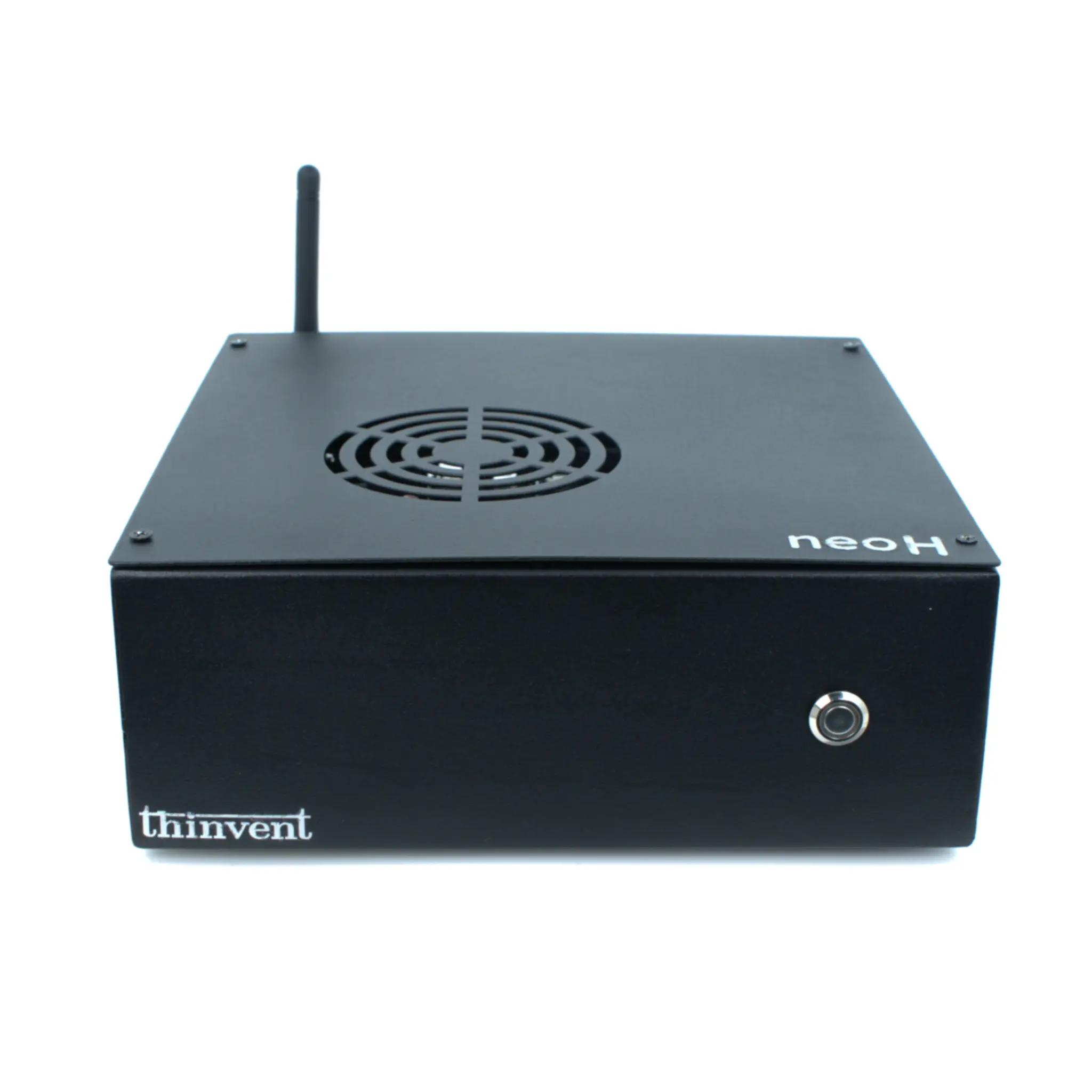
Compact Linux Nano PCs with powerful Intel CPUs represent a specialized category of computing devices designed for space-constrained environments that demand reliable, efficient, and capable performance. These systems, often referred to as "nano PCs" or "mini PCs," integrate the full functionality of a desktop computer into an ultra-small form factor, typically fanless for silent and maintenance-free operation. They are pre-configured with Linux operating systems like Ubuntu, offering a stable, secure, and open-source platform ideal for developers, embedded applications, and enterprise deployments.
Key Specifications and Technical Details
These devices are defined by their combination of a compact chassis and modern Intel processors. The Intel CPU lineup used ranges from efficient, low-power options like the Intel Processor N-series (N95, N100, N150) and Celeron J4125 to more powerful Core i3, i5, and i7 models from the 12th and 13th generations. Key specifications to consider include:
-
Processor: Intel CPUs with 4 to 12 cores, offering a balance of power efficiency and multi-threaded performance.
-
Form Factor: Extremely small, often palm-sized, with VESA mount compatibility for discreet installation.
-
Memory & Storage: Configurations typically include 4GB to 64GB of DDR4 RAM and fast SSD storage from 128GB to 1TB.
-
Connectivity: Multiple USB ports (including USB 3.2 and Type-C), dual HDMI outputs for multi-display setups, and Gigabit Ethernet for network reliability.
-
Operating System: Pre-installed with Ubuntu Linux LTS or similar distributions, ensuring out-of-the-box compatibility and long-term support.
Ideal Use Cases and Applications
The unique blend of small size, Intel power, and Linux makes these nano PCs exceptionally versatile:
-
Digital Signage & Kiosks: Perfect for driving displays in retail, hospitality, or public information systems.
-
Edge Computing & IoT Gateways: Process data locally in industrial automation, smart city infrastructure, or retail analytics.
-
Software Development & Testing: Provide a dedicated, portable Linux environment for coding, containerization (Docker), and server simulation.
-
Thin Client & VDI Endpoints: Serve as robust, low-maintenance endpoints for virtual desktop infrastructure.
-
Home Theater PCs (HTPCs) & Media Centers: A silent, compact solution for media streaming and playback.
Comparison of Common Intel Processors in Nano PCs
| Processor Model | Series | Cores/Threads | Typical Use Case |
|---|---|---|---|
| Intel N100 / N150 | N-series | 4 Cores / 4 Threads | Basic computing, digital signage, lightweight thin clients |
| Intel Celeron J4125 | Celeron | 4 Cores / 4 Threads | Legacy-compatible embedded systems, entry-level endpoints |
| Intel Core i3-1215U/1315U | Core i3 | 6 Cores / 8 Threads | General productivity, multi-tasking, development workstations |
| Intel Core i5-1240P | Core i5 | 12 Cores / 16 Threads | Demanding applications, multi-threaded workloads, advanced edge computing |
Thinvent's Compact Linux Nano PCs
Thinvent offers a comprehensive range of compact, fanless nano PCs pre-installed with Ubuntu Linux, powered by a spectrum of Intel processors to match any performance requirement. Our product lines, including the Treo Mini PC, Aero Mini PC, and Industrial PC (IPC) series, are engineered for reliability in 24/7 operations. Whether you need the extreme efficiency of an Intel N100 for a digital signage node or the robust multi-core performance of a 12th Gen Core i5 for an edge server, Thinvent provides certified, commercial-grade solutions. All systems feature extensive connectivity options, wide-range power input, and durable construction, making them ready for deployment in diverse environments worldwide.