What is a Multi-Core Processor?
A multi-core processor is a single computing component with two or more independent processing units (cores) integrated onto a single chip. This architecture allows the processor to execute multiple instructions simultaneously, significantly improving performance for multitasking, parallel processing, and demanding computational workloads. In industrial computing, multi-core processors are essential for handling complex tasks efficiently, from running multiple virtual machines and managing real-time data to powering sophisticated automation and control systems.
Key Specifications and Technical Details
Modern multi-core processors are defined by several key specifications beyond just the core count. These include the processor generation, which dictates the underlying architecture and efficiency; the core count (e.g., 4, 6, 10, 12 cores); the base and turbo clock speeds (measured in GHz); and the size of the cache memory (e.g., L2, L3 cache in MB), which acts as high-speed memory for the CPU. Other critical factors are the Thermal Design Power (TDP), which impacts cooling requirements and power consumption, and support for specific instruction sets and technologies like virtualization (VT-x) and advanced vector extensions (AVX) for specialized computing tasks.
Use Cases and Applications
Multi-core processors are the backbone of modern industrial and embedded systems. Their ability to handle parallel tasks makes them ideal for a wide range of applications:
-
Digital Signage & Kiosks: Smoothly rendering high-definition content and managing multiple displays.
-
Factory Automation & Control: Running real-time operating systems (RTOS), PLC software, and machine vision algorithms simultaneously.
-
Edge Computing & IoT Gateways: Processing and analyzing data from multiple sensors at the network edge before sending it to the cloud.
-
Thin Clients & Virtual Desktop Infrastructure (VDI): Efficiently decoding video streams and managing network connections for multiple virtual desktops.
-
Medical Devices & Imaging: Handling data-intensive tasks like image processing and patient monitoring in real-time.
Comparing Processor Configurations
Choosing the right multi-core processor depends on the specific performance, power, and thermal requirements of your application. The table below outlines typical configurations for different use-case intensities.
| Use Case Intensity | Typical Core Count | Example Series | Ideal For |
|---|---|---|---|
| Entry-Level / Basic | 4 Cores | Intel® Celeron, Intel® Processor N-series | Digital signage, basic kiosks, simple IoT gateways, thin clients. |
| Mainstream / Balanced | 6-10 Cores | Intel® Core™ i3, i5 (U-series/P-series) | Factory HMIs, multi-display systems, mid-range edge servers, medical displays. |
| High-Performance / Intensive | 12+ Cores | Intel® Core™ i5/i7 (P-series/H-series) | Machine vision, advanced analytics servers, high-density virtualization, complex simulation. |
Thinvent Products Featuring Multi-Core Processors
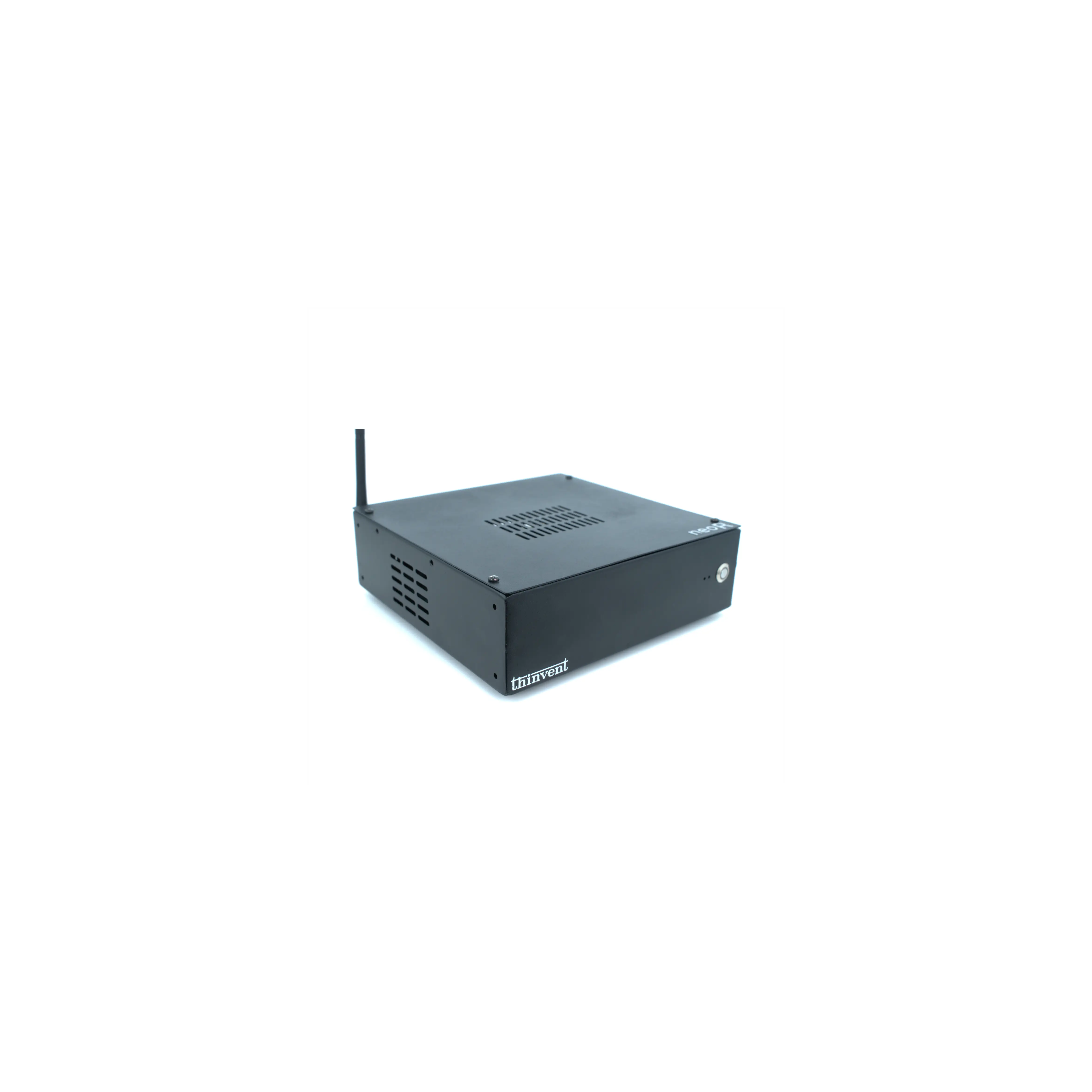
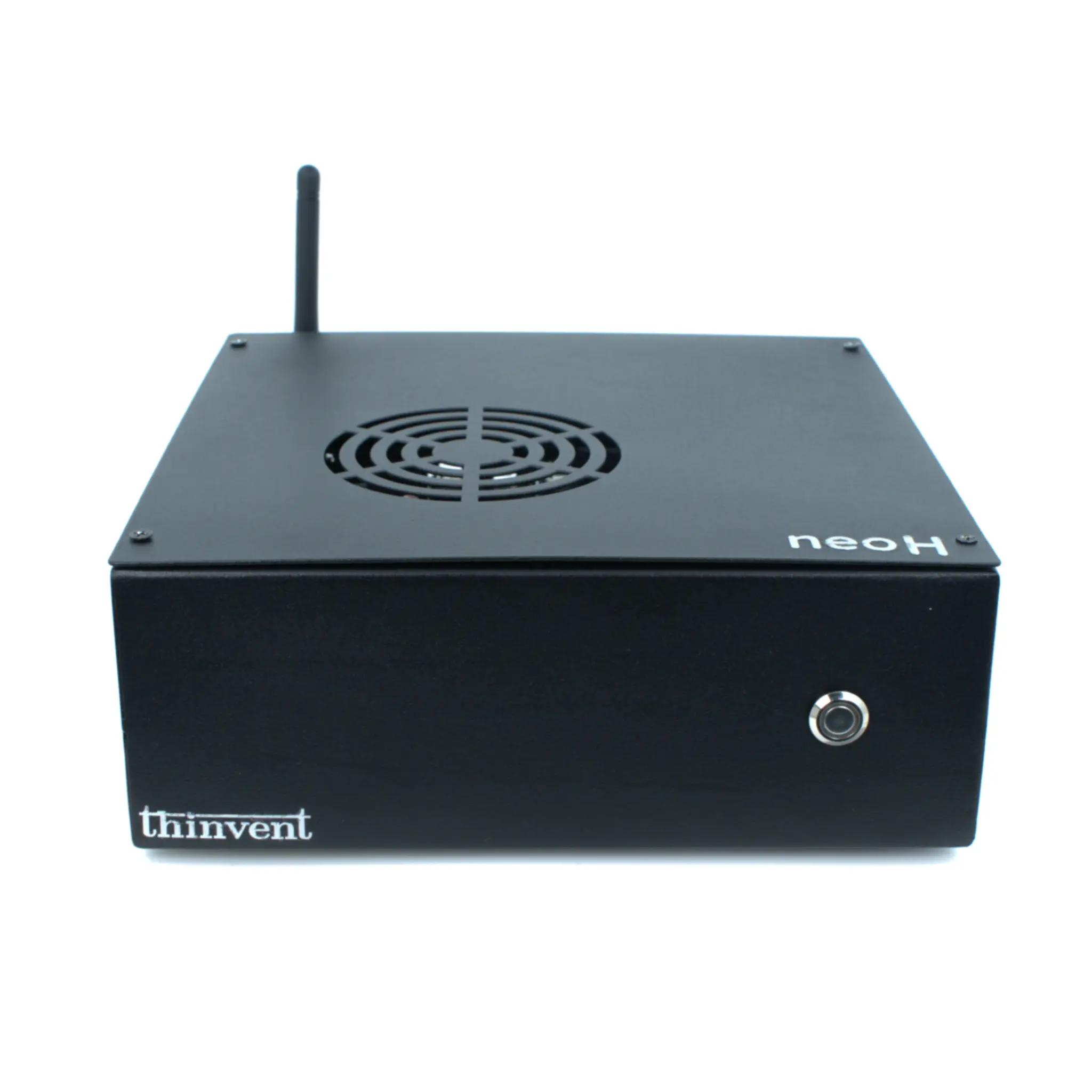
Thinvent's robust lineup of industrial computers leverages the latest multi-core processor technology to deliver reliable performance in demanding environments. Our product range includes compact Mini PCs and versatile All-in-One panels, many featuring efficient, fanless designs for silent and maintenance-free operation in dusty or volatile settings. We offer configurations with Intel processors from the efficient N-series and powerful Core i-series, paired with ample DDR4/DDR5 RAM and fast SSD storage. Whether your project requires a low-power solution for a kiosk or a high-performance workstation for data analysis, Thinvent provides scalable, durable computing platforms built around capable multi-core processors to meet your exact industrial needs.