What is a Processor Desktop Computer?
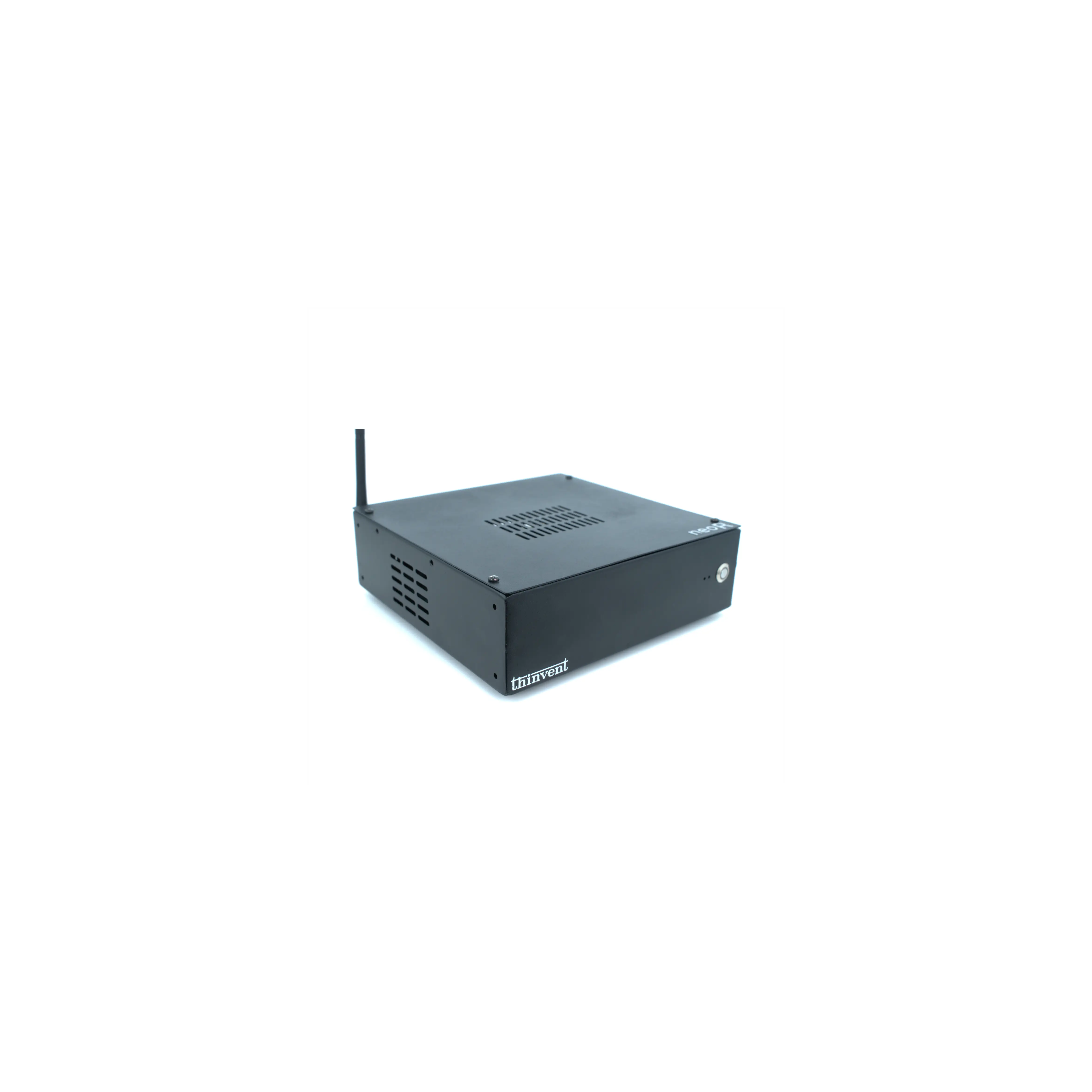
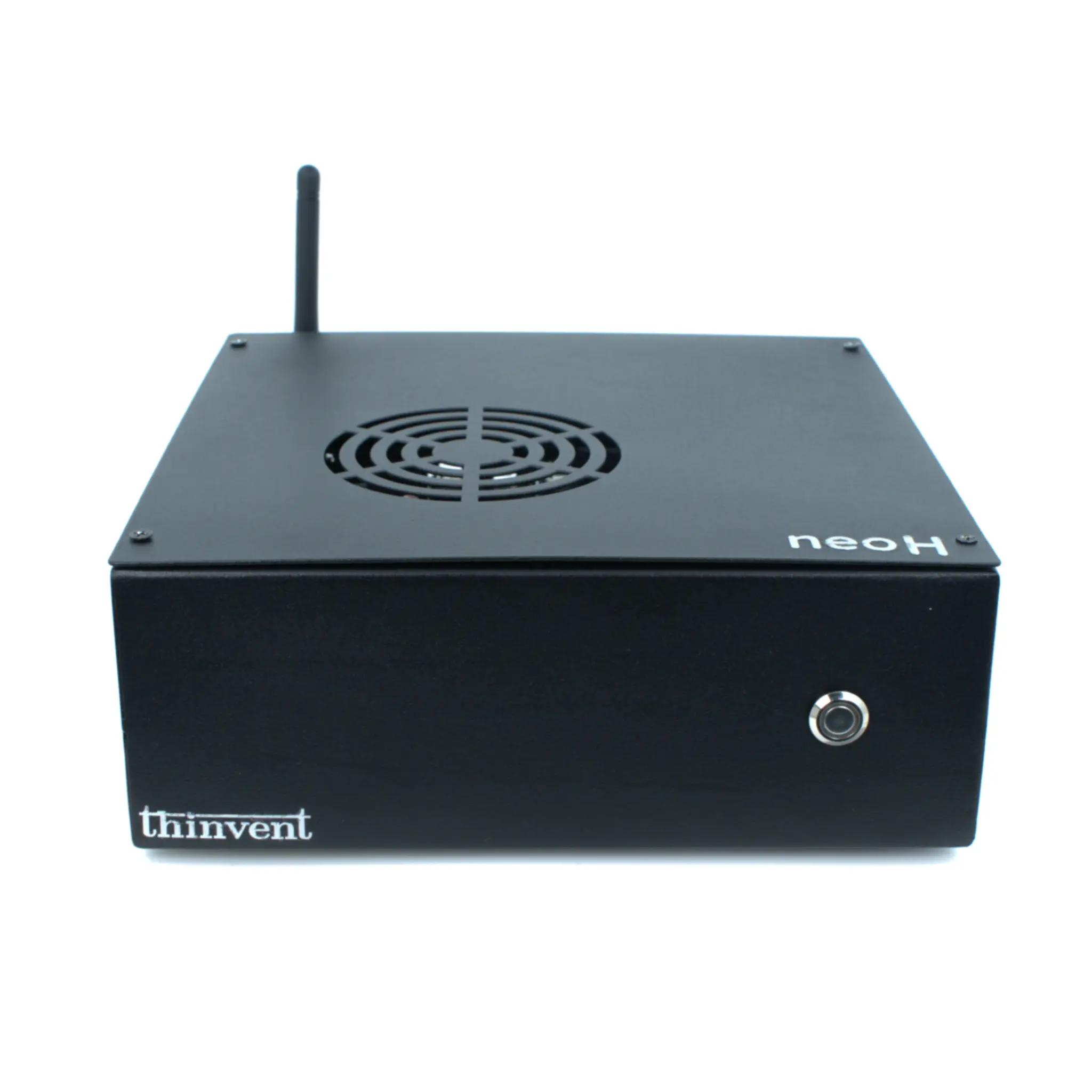
A processor desktop computer is a compact, robust computing system built around a specific central processing unit (CPU). Unlike consumer desktops, these industrial-grade systems are engineered for reliability, long-term operation, and integration into demanding environments. They leverage the performance and efficiency of modern processors, such as Intel's N-series or Core series, within a durable, often fanless chassis to ensure silent operation and protection against dust and particulates.
Key Specifications and Technical Details
The core of these systems is the processor, which dictates performance, power efficiency, and thermal design. Common specifications include:
-
Processor Brand & Series: Primarily Intel, with options ranging from efficient N-series (e.g., N100) for basic tasks to powerful Core i3/i5/i7 for demanding applications.
-
Cores & Threads: Multi-core processors (e.g., 4, 6, 10, or 12 cores) enable multitasking and parallel processing.
-
Memory (RAM): Configurations typically from 4GB to 64GB of DDR4 or DDR5 RAM to handle operating systems and applications smoothly.
-
Storage: Solid-state drives (SSD) from 128GB to 1TB or more provide fast boot times and reliable data storage.
-
Connectivity: Features include Gigabit Ethernet for network reliability, multiple USB ports (including USB 3.2 and Type-C), and HDMI/DisplayPort outputs for multi-monitor setups.
-
Form Factor: Designed as compact Mini PCs or Industrial PCs to save space and facilitate mounting in kiosks, digital signage, or control panels.
Use Cases and Applications
Processor desktops are versatile solutions for embedded and industrial computing:
-
Digital Signage & Kiosks: Powering interactive displays and information points in retail, hospitality, and public spaces.
-
Industrial Automation: Serving as controllers for manufacturing equipment, PLCs, and monitoring systems on the factory floor.
-
Thin Client & VDI: Acting as endpoints for virtual desktop infrastructure in offices, call centers, and healthcare.
-
Edge Computing: Processing data locally in IoT gateways, transportation systems, and smart city applications.
-
Office Productivity: Providing a compact, quiet, and efficient workstation for general business software.
Processor Comparison for Industrial Desktops
| Processor Series | Typical Cores | Best For | Power Profile |
|---|---|---|---|
| Intel N-series (N100, N95) | 4 | Digital Signage, Basic Thin Clients, IoT Gateways | Ultra-Low Power, Fanless |
| Intel Celeron | 2-4 | Light Office Work, Single-App Kiosks | Low Power |
| Intel Core i3 | 4-6 | Multi-Tasking Office, Entry-Level CAD, Medical Imaging | Balanced Performance |
| Intel Core i5/i7 | 6-12+ | Advanced Automation, Data Analysis, Multi-4K Display Setups | High Performance |
Thinvent's Processor Desktop Solutions
Thinvent offers a comprehensive range of industrial-grade desktop computers built with reliable Intel processors. Our product lines, such as the Aero Mini PC series, exemplify this commitment. These systems feature efficient processors like the Intel N100, paired with ample DDR4 RAM and SSD storage, all housed in a robust, fanless chassis for silent and dependable 24/7 operation. They come with flexible OS options, including Windows, Linux, and DOS, to fit any project requirement. Whether you need a low-power solution for a digital menu board or a more capable system for edge computing, Thinvent provides durable, performance-optimized desktops designed for global industrial applications.