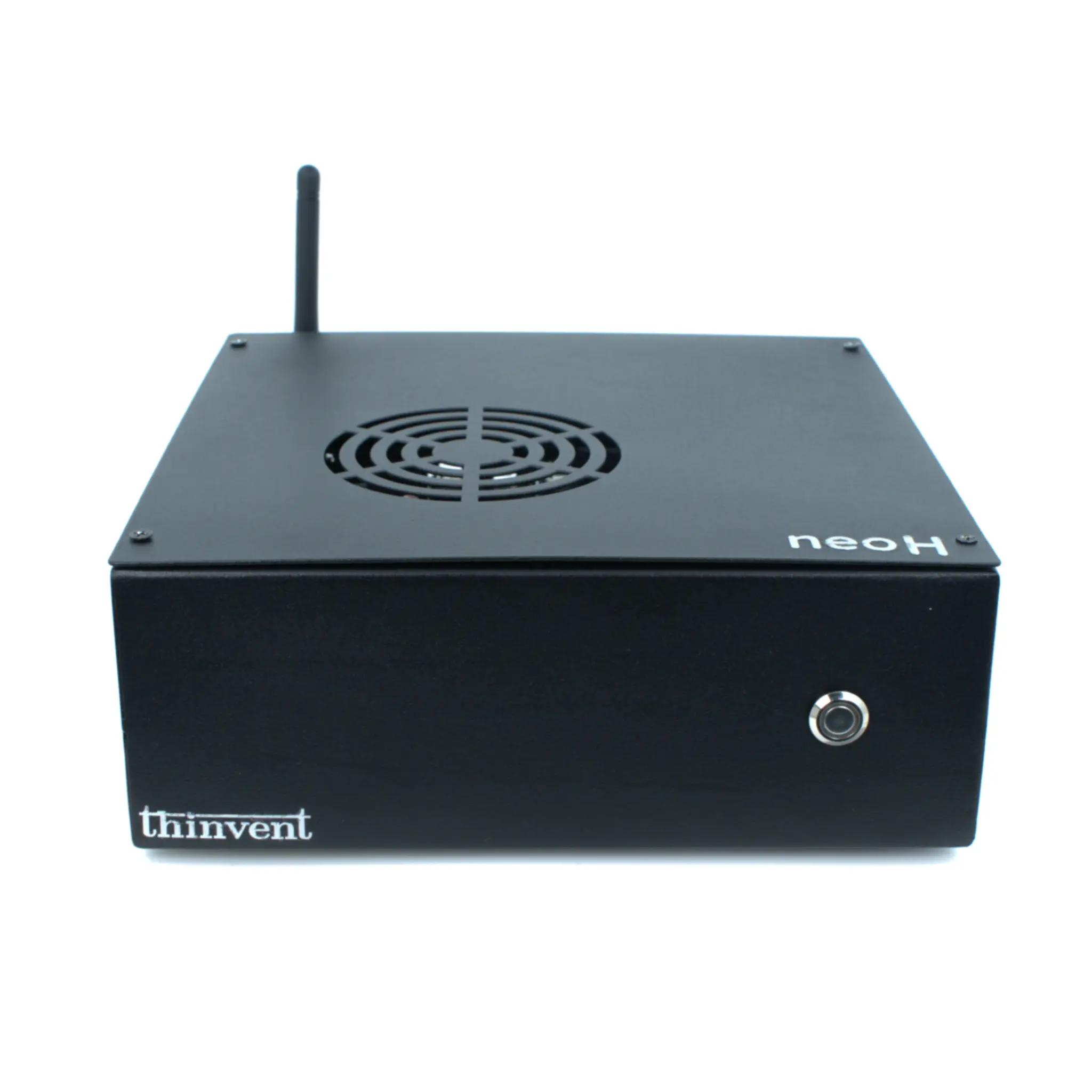
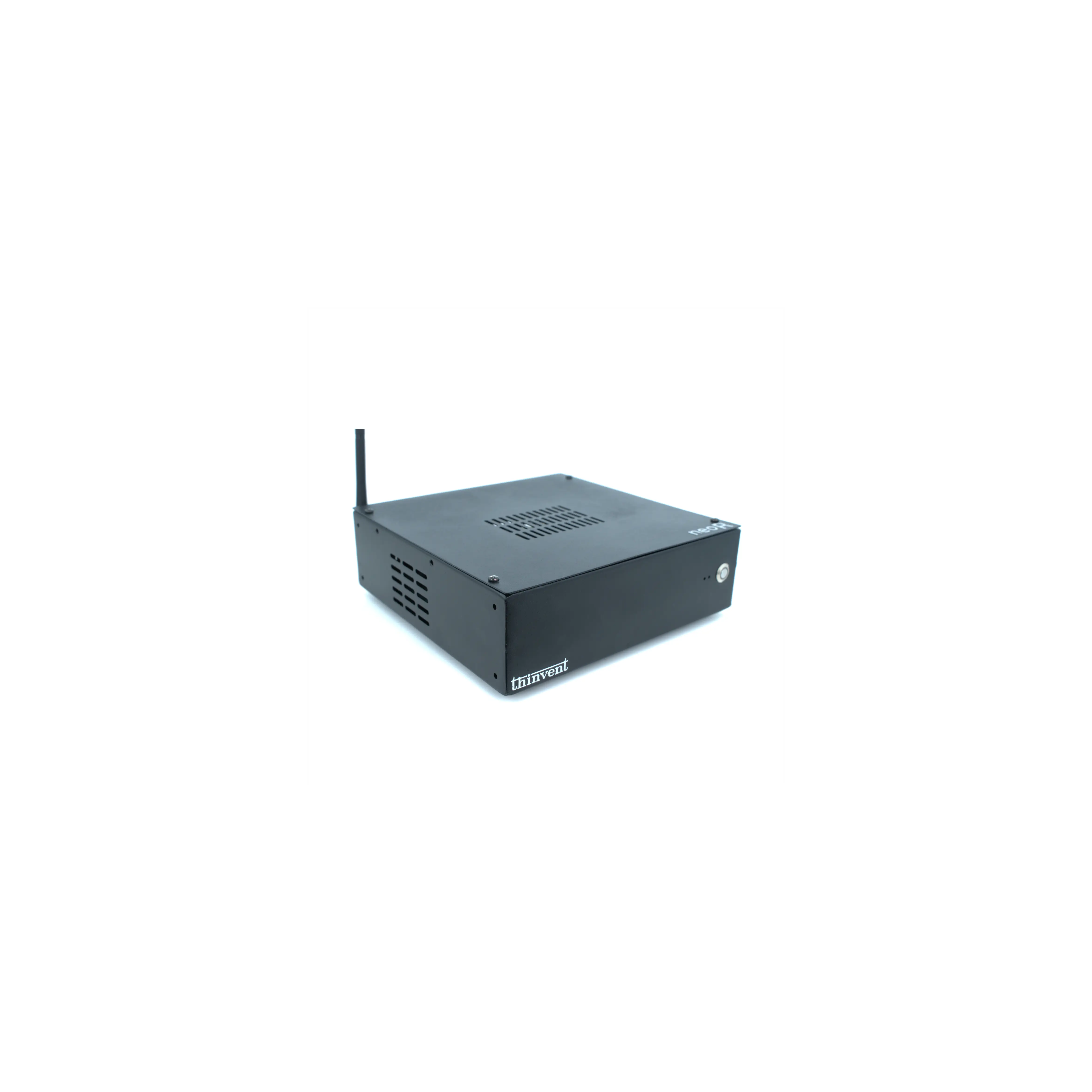
A Small Form Factor (SFF) system is a compact computer designed to deliver full computing capabilities in a significantly reduced physical footprint. These systems are engineered to maximize performance and connectivity while minimizing space consumption, making them ideal for environments where real estate is at a premium. Unlike traditional desktops, SFF PCs often utilize efficient, low-power components and advanced thermal designs, including fanless cooling, to ensure reliable, silent operation in demanding industrial and commercial settings.
Key Specifications and Technical Details
SFF systems are characterized by their compact dimensions, typically much smaller than a standard mini-tower. They are built around modern, efficient processors from brands like Intel, often from the Celeron, N-series, or Core i-series. Key technical features include support for ample DDR4 or DDR5 RAM (commonly 8GB to 32GB), fast SSD storage (128GB to 1TB), and a rich set of I/O ports. A hallmark of industrial SFF PCs is their robust connectivity, featuring multiple Gigabit Ethernet ports, USB 3.2/Type-C, and dual HDMI/DisplayPort outputs for multi-monitor setups. Their power efficiency allows for operation with external power adapters, and many models are designed for wide-range voltage input (e.g., 12V-24V DC) for deployment in vehicles or unstable power grids.
Applications and Use Cases
The compact and rugged nature of SFF systems makes them exceptionally versatile. Common applications include:
-
Digital Signage & Kiosks: Powering interactive displays and information points in retail, hospitality, and public spaces.
-
Industrial Automation: Serving as a controller for PLCs, HMIs, and machine vision systems on the factory floor.
-
Edge Computing & IoT Gateways: Processing data locally at the network edge in smart city, transportation, and energy management projects.
-
Thin Client & VDI: Providing a secure, centralized desktop experience in corporate and educational environments.
-
Embedded Systems: Integrated into medical devices, transportation systems, and defense applications where reliability is critical.
Comparison: SFF vs. Traditional Desktops
| Feature | Small Form Factor (SFF) PC | Traditional Desktop PC |
|---|---|---|
| Size | Extremely compact (e.g., 150 x 150 x 50 mm) | Large tower or mini-tower |
| Power Consumption | Low, energy-efficient (often 10W-65W TDP) | Higher, less efficient |
| Cooling | Often fanless or ultra-quiet; passive cooling | Typically uses active fans |
| Deployment | Wall-mountable, VESA mountable, fits in tight spaces | Requires dedicated desk or floor space |
| Ruggedness | Designed for 24/7 operation, wider temperature ranges | For standard office environments |
| Expandability | Limited internal expansion; uses M.2 and external ports | High internal expansion (PCIe slots, drive bays) |
Thinvent's Small Form Factor Solutions
Thinvent specializes in high-performance, reliable SFF industrial computers designed for continuous operation. Our portfolio includes robust Mini PCs and compact Industrial PCs that embody the core SFF advantages. Featuring the latest Intel processors (including efficient N-series and powerful Core i-series chips), generous memory and storage options, and a comprehensive array of industrial I/O, Thinvent systems are built for durability. They are ideal for OEMs and system integrators across digital signage, automation, edge computing, and embedded applications, offering a perfect balance of compact size, silent fanless operation, and industrial-grade reliability.