What Are Industrial Computers?
Industrial computers are specialized computing systems designed for reliable operation in demanding environments where standard commercial PCs would fail. They are engineered to withstand extreme temperatures, dust, moisture, vibration, and continuous 24/7 operation. Unlike consumer-grade hardware, these systems prioritize durability, long-term availability of components, and stable performance over raw processing power.
Key Specifications and Technical Details
Industrial PCs (IPCs) are defined by their robust construction and specialized features. Key specifications include:
-
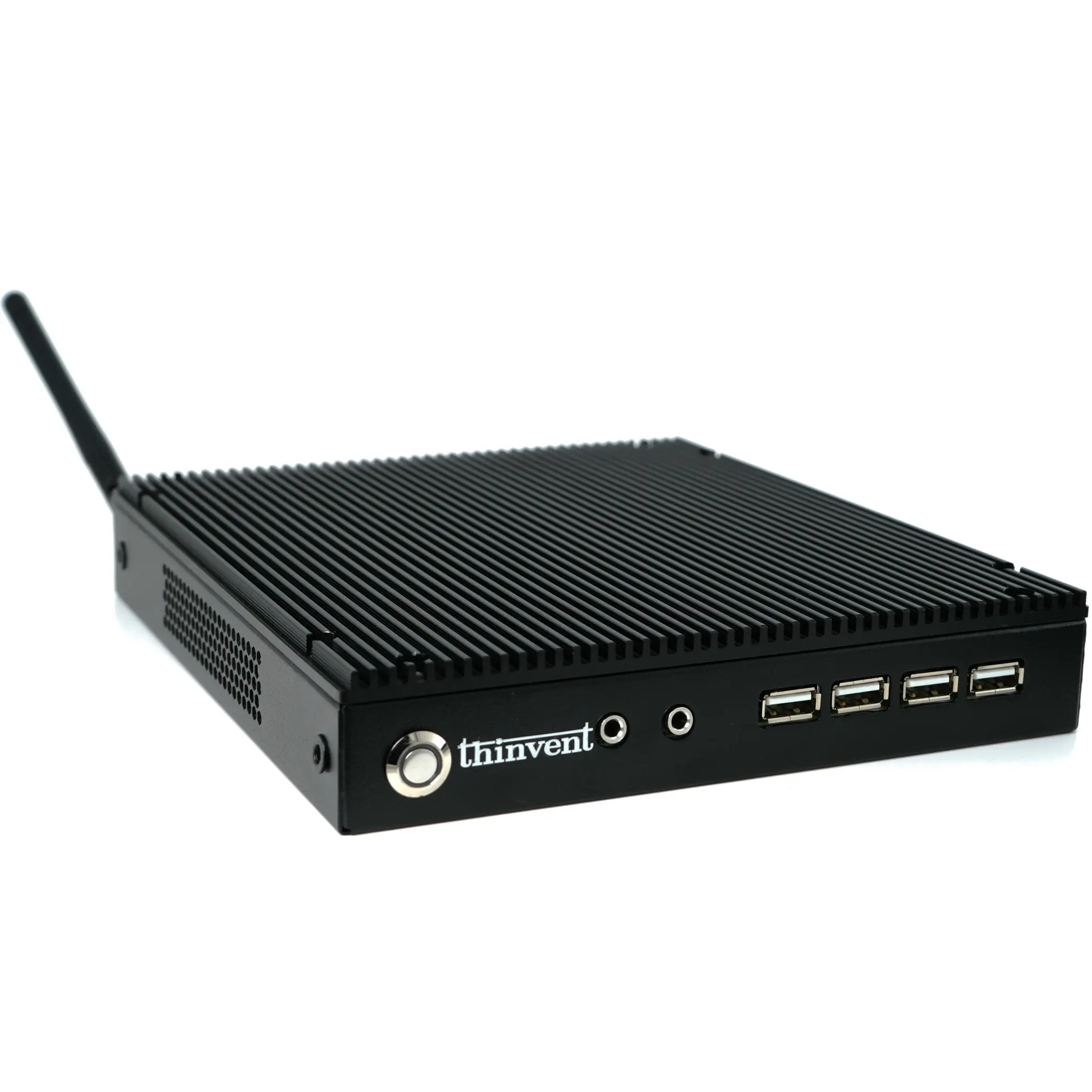
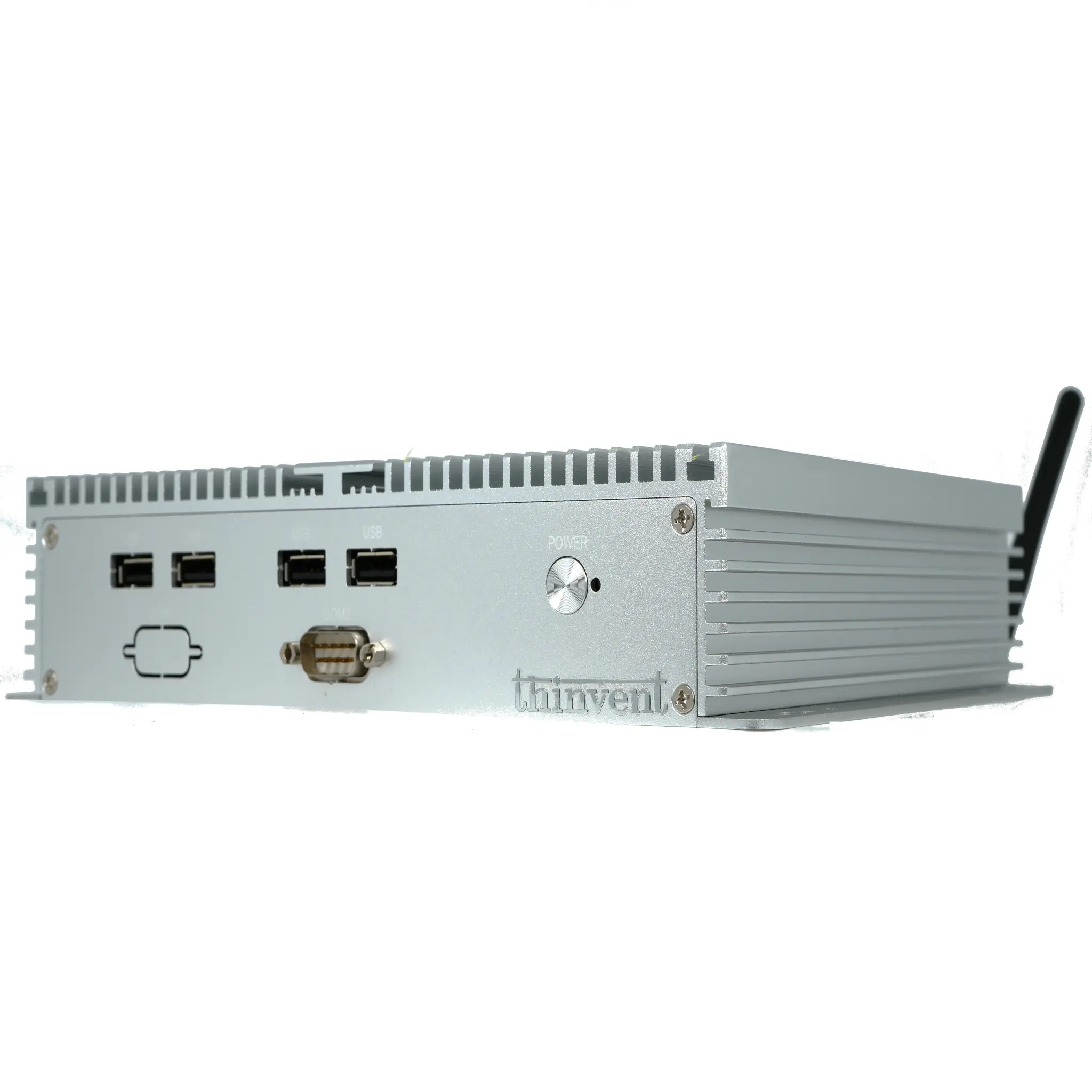
Rugged Design: Often fanless for silent, maintenance-free operation and to prevent dust ingress. Built with metal casings for superior heat dissipation and physical protection.
-
Wide Operating Temperature Range: Capable of functioning in temperatures from -20°C to 60°C or beyond, unlike commercial PCs.
-
Extended Component Lifespan: Utilizes industrial-grade components with longer lifecycles, ensuring system availability for years.
-
Rich I/O Connectivity: Multiple serial ports (COM), LAN ports, and expansion slots (PCIe, mPCIe) for connecting industrial peripherals like PLCs, sensors, and legacy equipment.
-
Powerful Processing: Options range from efficient Intel Atom/Celeron N-series processors for basic control to high-performance Intel Core i-series CPUs for complex automation and vision systems.
Common Use Cases and Applications
Industrial computers are the backbone of modern automation and are deployed across numerous sectors:
-
Factory Automation & Control: Acting as HMIs (Human-Machine Interfaces), PLC supervisors, and data acquisition stations on the factory floor.
-
Machine Vision & Inspection: Powering systems for quality control, robotic guidance, and optical character recognition (OCR).
-
Digital Signage & Kiosks: Driving displays in public spaces, retail environments, and transportation hubs, requiring 24/7 reliability.
-
Edge Computing & IoT Gateways: Collecting, processing, and transmitting data from sensors and equipment at the network edge.
-
Transportation & Logistics: Used in fleet management, railway systems, and warehouse automation, often in mobile or vibration-prone settings.
Comparison: Industrial PC vs. Commercial Desktop
| Feature | Industrial PC | Commercial Desktop |
|---|---|---|
| Operating Temperature | Wide range (e.g., -20°C to 60°C) | Narrow range (typically 5°C to 35°C) |
| Durability | Fanless, vibration-resistant, sealed against dust/moisture | Vents for airflow, not sealed |
| Lifespan & Support | Long-term availability (5-10+ years), stable drivers | Short lifecycle, frequent model changes |
| I/O & Expansion | Multiple COM, LAN, GPIO, PCIe slots | Standard USB, HDMI, limited expansion |
| Power Supply | Wide-range voltage input (9-36V DC common) | Standard 110-240V AC |
| Typical Use Case | Harsh, embedded, 24/7 operational environments | Office, home, controlled environments |
Thinvent Industrial Computing Solutions
Thinvent offers a comprehensive range of industrial-grade computing hardware designed for reliability and performance. Our product lines include robust Industrial PCs built for rack-mount or panel-mount installations, compact and versatile Fanless Mini PCs ideal for space-constrained and harsh environments, and efficient Thin Clients for secure virtualized workspaces. All Thinvent systems are built with industrial-grade components, support wide operating temperatures, and offer flexible I/O configurations to meet the specific demands of automation, digital signage, edge computing, and other critical industrial applications.