What Is a System Case Form Factor?
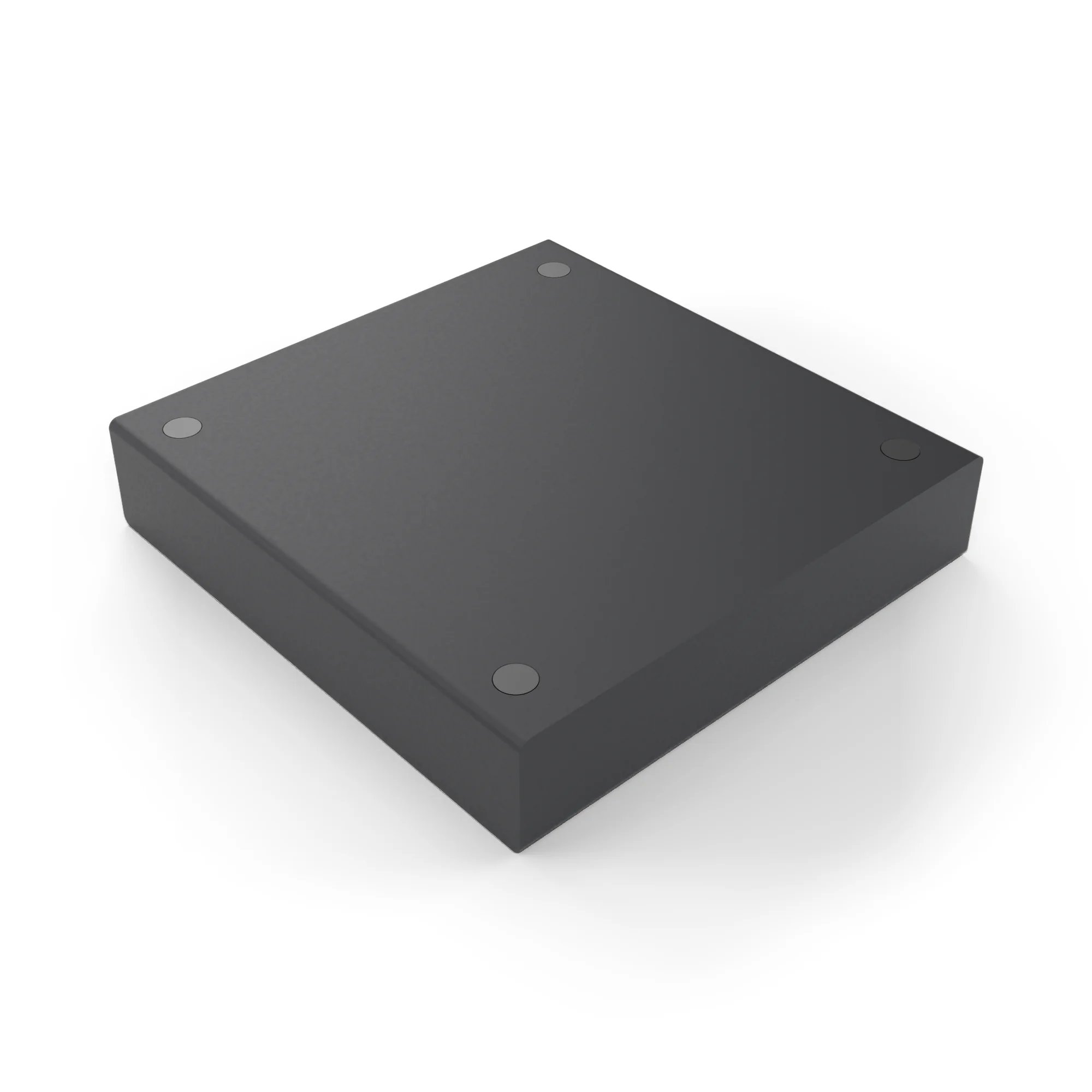
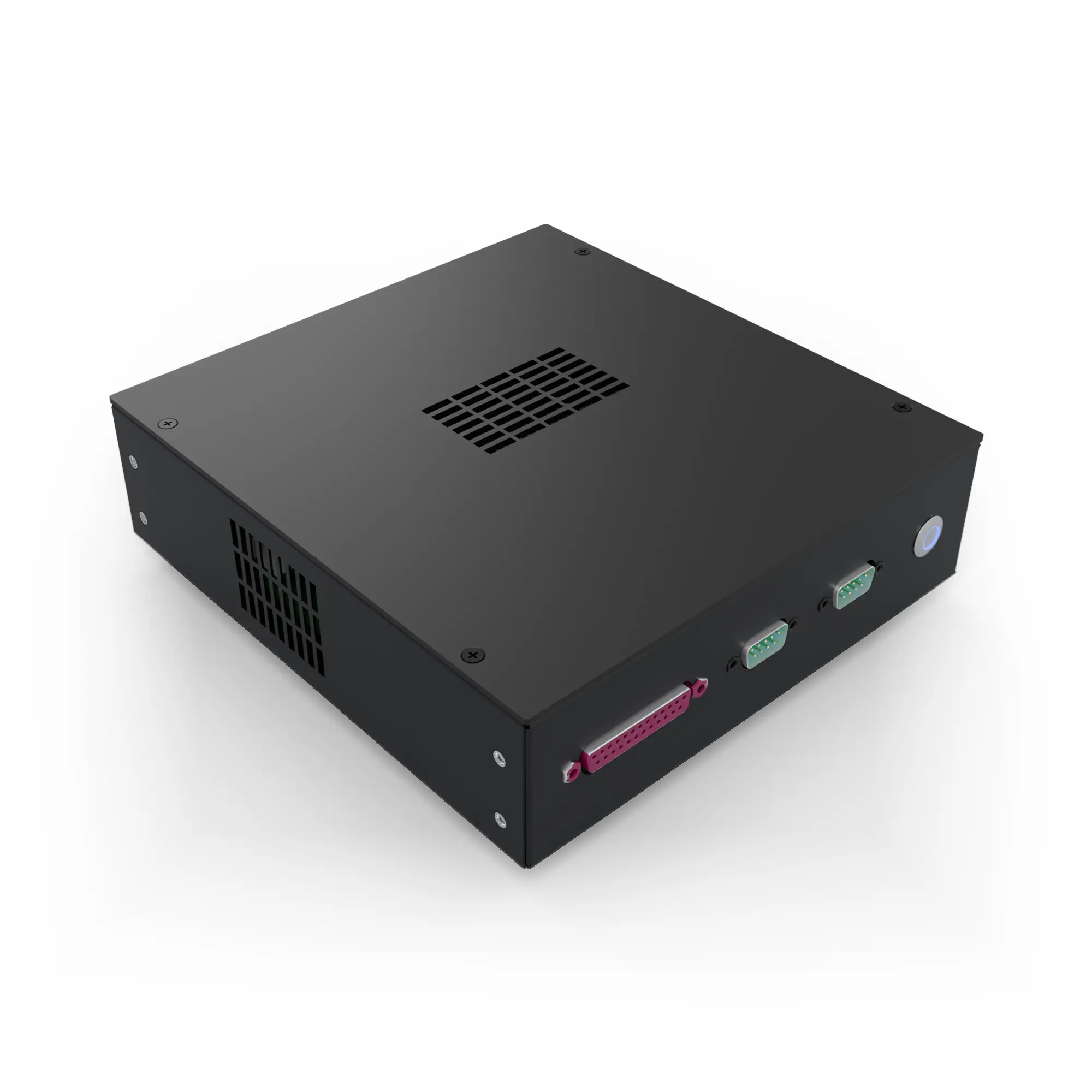
A system case form factor is the physical size and shape of a computer enclosure. It defines how the internal parts fit together and where the ports, power input and mounting points sit. Common form factors include desktop tower, small form factor (SFF), mini PC, all-in-one and thin client. Smaller form factors take less desk or rack space. They also suit wall, VESA or DIN-rail mounting.
Key Form Factor Characteristics
The Thinvent Neo S thin client uses a compact enclosure. It runs an Intel Celeron J1900 processor with 4 cores, a maximum frequency of 2.4 GHz and 2 MB of cache. It includes 4 GB of DDR3 RAM and a 128 GB SSD. A 19V 1.3A external adapter powers the unit, so no internal power supply occupies the case. The model is sold without Wi-Fi.
Form Factor Comparison
| Form Factor | Typical Use | Space Requirement | Expansion |
|---|---|---|---|
| Desktop tower | Workstations | Large | High |
| Small form factor | Office PCs | Medium | Moderate |
| Thin client | Remote desktop access, kiosks | Small | Limited |
| All-in-one | Reception, retail | Small (monitor included) | Limited |
Use Cases
Compact, fanless-style enclosures suit environments with limited space or dust. Typical applications include:
-
Virtual desktop and remote desktop access
-
Point-of-sale and kiosk terminals
-
Digital signage and control panels
-
Classroom and library workstations
Thinvent Products With This Form Factor
The Thinvent Neo S Thin Client uses a compact enclosure with a 19V 1.3A external adapter. Buyers can choose between Windows 11 IoT, Windows 11 Professional, Windows 11 Pro, DOS and Thinux Embedded Linux. Each version is available with or without a Thinvent keyboard and mouse set.