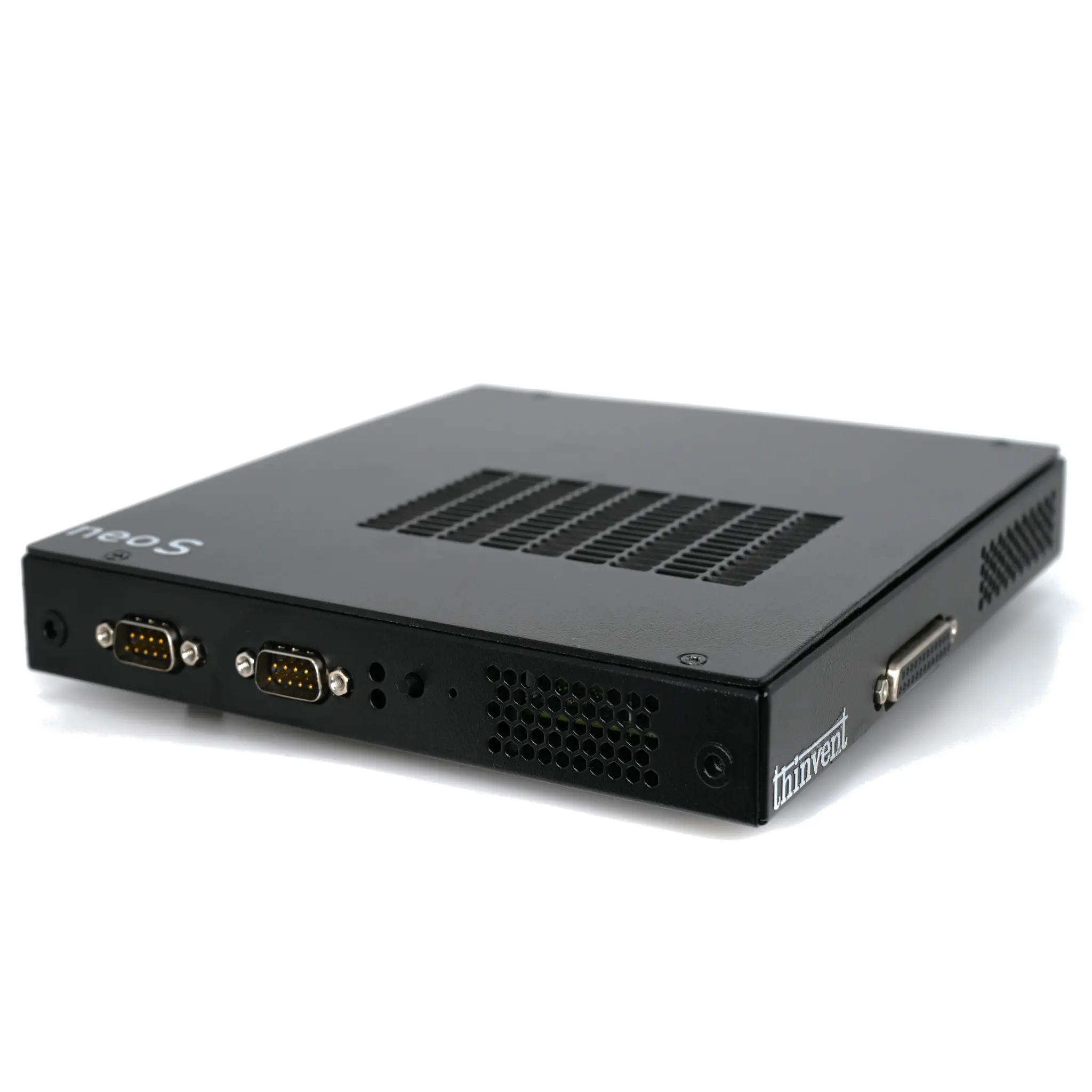
Windows 98 Thin Client Overview
Windows 98 thin clients are specialized computing devices designed to run Microsoft Windows 98 operating system in a terminal server or virtual desktop environment. These systems typically feature legacy hardware compatibility, low power consumption, and compact form factors ideal for space-constrained deployments. While Windows 98 is no longer supported by Microsoft, these thin clients remain relevant for maintaining legacy industrial systems, manufacturing equipment, and specialized applications that require Windows 98 compatibility.
Technical Specifications and Requirements
For Windows 98 compatibility, thin clients require specific hardware configurations. The operating system supports processors up to Pentium 4 class, with recommended specifications including 64-256MB RAM, 4-16GB storage, and legacy graphics support. Modern thin clients can emulate these requirements through virtualization or compatibility layers. Key connectivity options include legacy ports such as PS/2, serial, and parallel ports alongside modern Ethernet and USB interfaces for flexible deployment in both legacy and modern network environments.
Applications and Use Cases
Windows 98 thin clients are primarily used in industrial automation, manufacturing control systems, and legacy point-of-sale environments where specialized software requires Windows 98 compatibility. They serve as terminal access points to mainframe systems, industrial controllers, and legacy business applications. These systems are particularly valuable in sectors like manufacturing, healthcare (for older medical equipment), and transportation where upgrading software would be cost-prohibitive or disrupt critical operations.
Thinvent Windows 98 Compatible Solutions
Thinvent offers industrial computing solutions that can be configured for Windows 98 compatibility through virtualization and legacy hardware support. Our thin clients feature fanless designs for silent operation, rugged construction for industrial environments, and flexible connectivity options. While modern systems ship with contemporary operating systems, they can be configured to run Windows 98 in virtualized environments or through compatibility modes, providing the reliability of modern hardware with legacy software support.