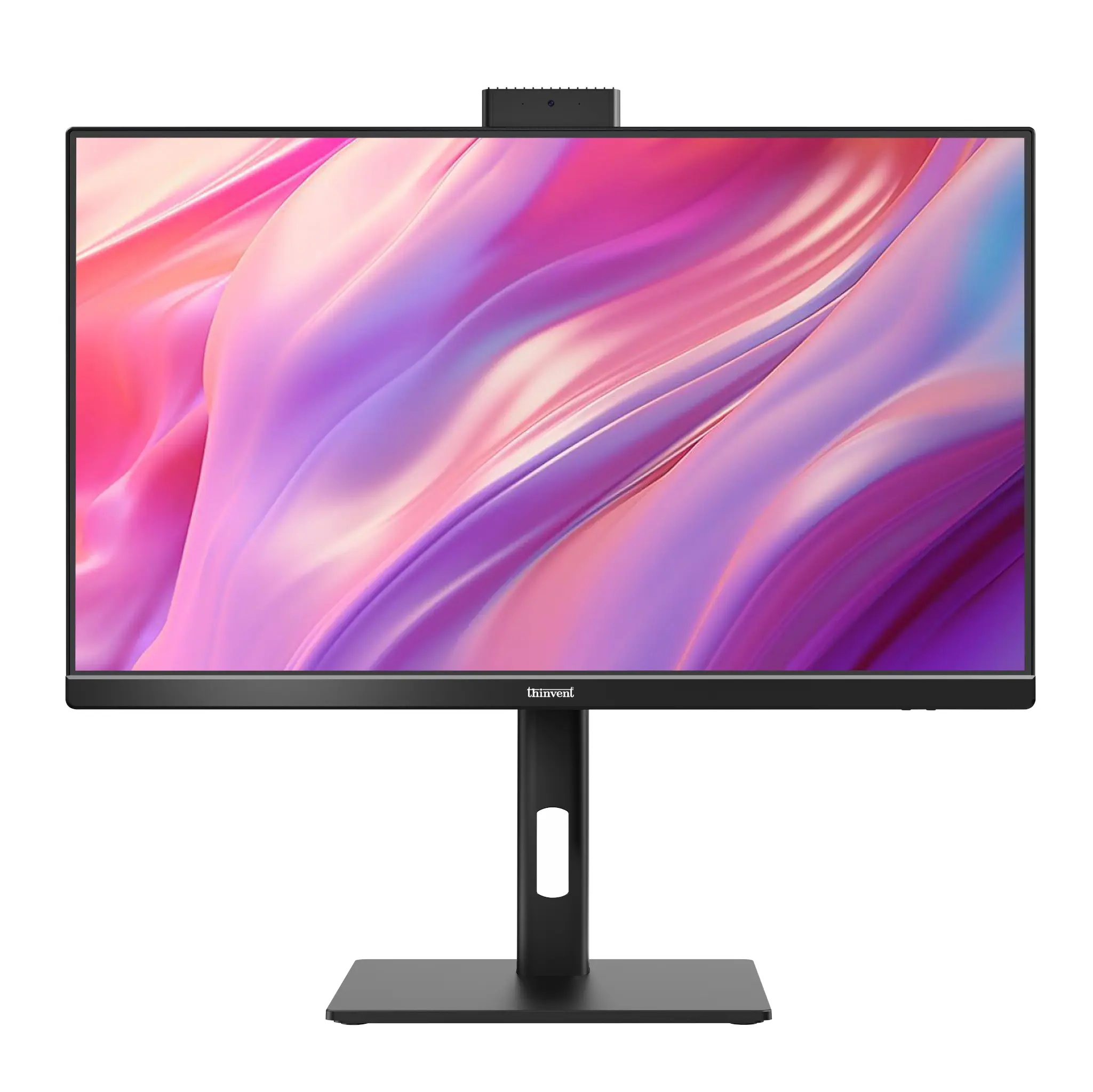
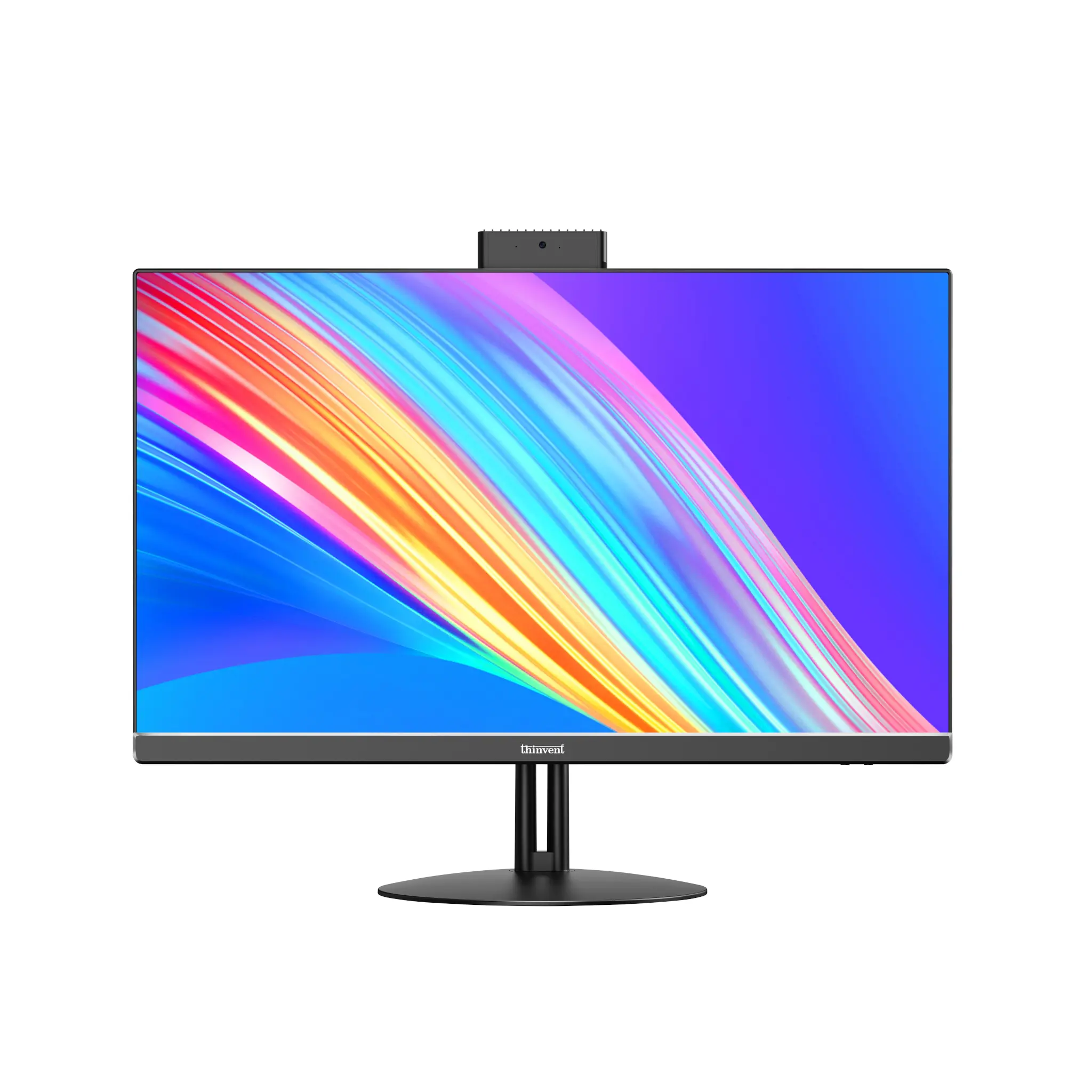
A physical server is a dedicated, standalone hardware device designed to provide computing resources and services to other machines, known as clients, over a network. Unlike virtual servers, which share underlying hardware, a physical server is a single-tenant system offering dedicated performance, enhanced security, and greater control over the hardware environment. These servers are the backbone of enterprise IT infrastructure, handling critical workloads that demand reliability and consistent performance.
Key Specifications and Technical Details
Industrial physical servers are built for 24/7 operation in demanding environments. Key specifications to consider include:
-
Processor: Multi-core CPUs (e.g., Intel Core i5, i7, or Xeon) for handling concurrent tasks and server applications.
-
Memory (RAM): High-capacity ECC (Error-Correcting Code) memory, typically starting at 16GB and scaling to 64GB or more, to ensure data integrity and support multiple virtual machines or databases.
-
Storage: Configurations often include multiple drives in RAID arrays for redundancy, speed, and large storage capacity, using SSDs for performance or HDDs for archival.
-
Connectivity: Multiple Gigabit Ethernet ports (1GbE/10GbE) for network load balancing, failover, and high-throughput data transfer.
-
Form Factor & Reliability: Designed in rack-mount or ruggedized enclosures with fanless or robust cooling systems to ensure silent, dust-resistant operation in industrial settings.
Common Use Cases and Applications
Physical servers are deployed where dedicated resources and maximum uptime are non-negotiable. Primary applications include:
-
On-Premises Data Hosting: Hosting file servers, database servers (SQL, etc.), and enterprise resource planning (ERP) software.
-
Network Infrastructure: Acting as domain controllers, DNS servers, or firewall/proxy servers.
-
Industrial Automation: Running SCADA systems, MES (Manufacturing Execution Systems), and PLC data aggregation in factories.
-
Edge Computing: Processing data locally in retail, logistics, or smart city applications before sending it to the cloud, reducing latency.
Comparison: Physical vs. Virtual Servers
| Feature | Physical Server | Virtual Server |
|---|---|---|
| Hardware | Dedicated, single-tenant | Shared, multi-tenant |
| Performance | Predictable, not impacted by "noisy neighbors" | Can vary based on host server load |
| Control & Security | Full hardware and OS control; isolated environment | Managed by hypervisor; shared underlying resources |
| Scalability | Vertically scalable (upgrade hardware); requires physical changes | Horizontally scalable (spin up new VMs); rapid provisioning |
| Cost & Maintenance | Higher upfront capital expenditure (CapEx); physical maintenance | Lower initial cost (OpEx); managed by provider |
Thinvent's Industrial Server Solutions
Thinvent offers a range of robust, industrial-grade computing solutions that serve as excellent platforms for physical server deployments. Our systems are engineered for reliability in challenging environments, featuring fanless designs, wide operating temperature ranges, and support for various operating systems. For server applications, consider our high-performance Industrial PCs and compact yet powerful Mini PCs equipped with Intel Core processors, ample RAM, and fast SSD storage. These devices provide the dedicated, stable foundation required for hosting critical services, database management, and edge computing tasks, ensuring your operations run seamlessly around the clock.