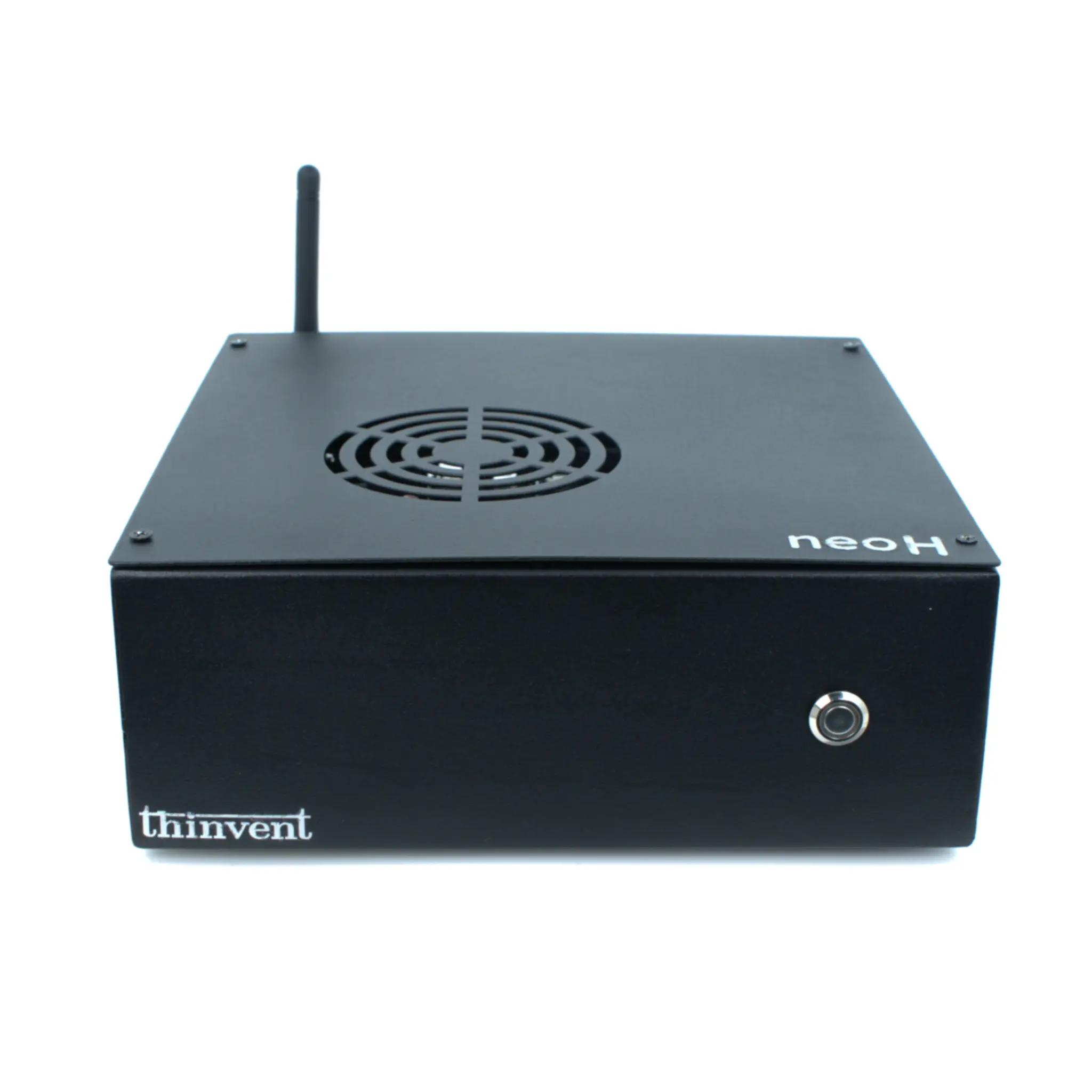
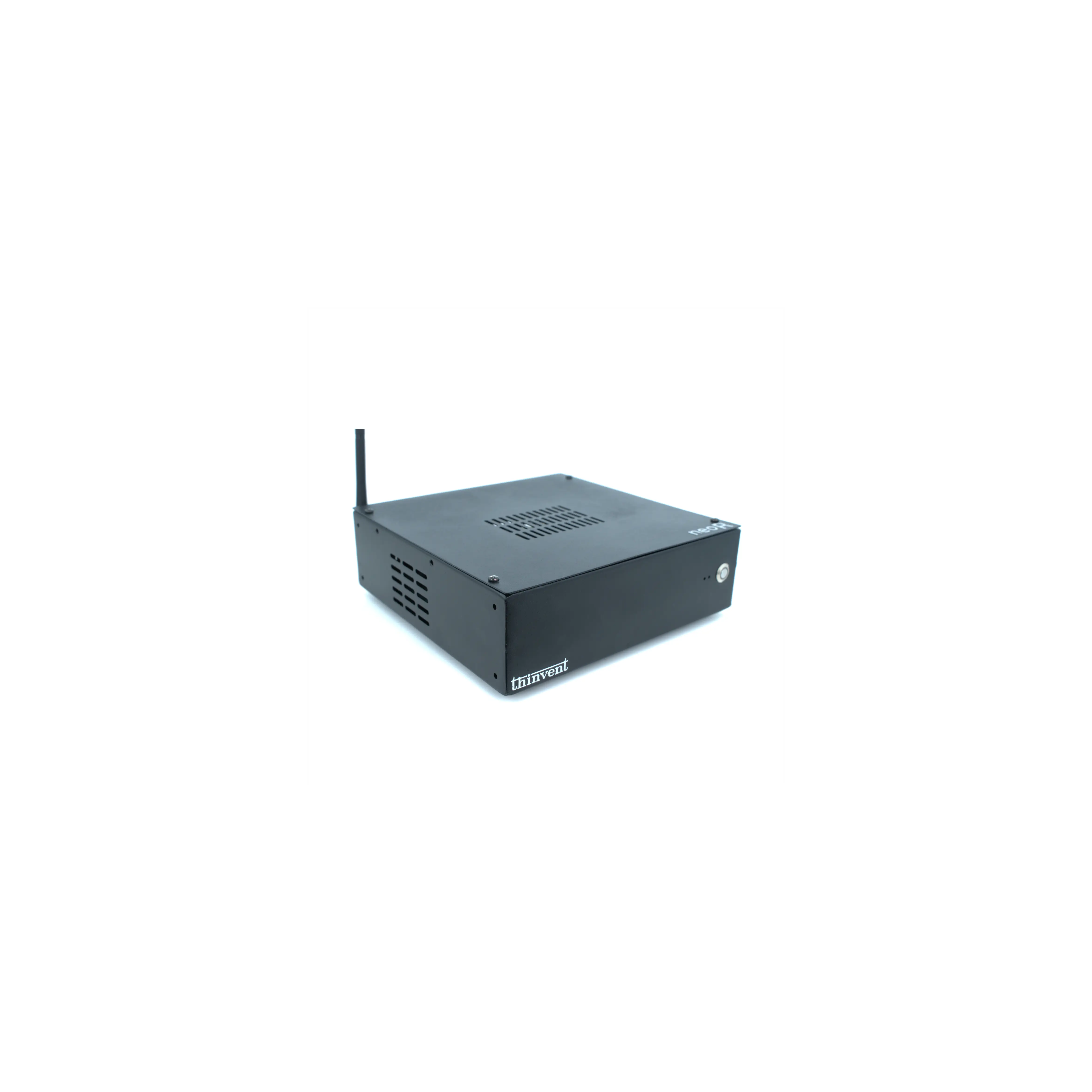
What Are Mini PCs?
A Mini PC is a compact, space-saving desktop computer that offers the core functionality of a traditional tower PC in a significantly smaller form factor. These devices are designed for applications where space is at a premium, power efficiency is critical, and silent operation is desired. They typically feature fanless or low-noise cooling, low power consumption, and a robust set of I/O ports for connectivity, making them ideal for integration into various environments.
Key Specifications and Technical Details
Modern industrial-grade Mini PCs are built around efficient processors, such as Intel's N-series CPUs. Key specifications to consider include:
-
Processor: Modern low-power CPUs like the Intel N100 (4 cores, up to 3.4 GHz) provide ample performance for everyday computing and specialized applications while maintaining excellent thermal and power efficiency.
-
Memory (RAM): Configurations typically range from 8GB to 16GB of DDR4 RAM, ensuring smooth multitasking.
-
Storage: Solid State Drives (SSDs) from 128GB to 512GB offer fast boot times and reliable data access.
-
Connectivity: Standard features include Gigabit Ethernet for network reliability, multiple USB ports (including USB 3.2), and HDMI outputs for dual-display setups.
-
Operating System: Options often include Windows 11 Pro/IoT, Linux distributions like Ubuntu, or a no-OS configuration for custom software deployment.
Use Cases and Applications
The compact and rugged nature of Mini PCs makes them suitable for a wide range of industrial and commercial applications:
-
Digital Signage & Kiosks: Powering interactive displays in retail, hospitality, and public spaces.
-
Thin Client & VDI: Serving as endpoints for virtual desktop infrastructure in offices and call centers.
-
Industrial Automation: Embedded within machinery for control, monitoring, and data acquisition (SCADA/HMI).
-
Edge Computing: Processing data locally in IoT networks, reducing latency and bandwidth usage.
-
Office & Home Use: As a discreet, energy-efficient desktop for general productivity.
Comparison: Mini PC vs. Traditional Desktop
| Feature | Industrial Mini PC | Traditional Desktop Tower |
|---|---|---|
| Form Factor | Ultra-compact, mountable | Large, requires significant space |
| Cooling | Often fanless, completely silent | Active fans with audible noise |
| Power Consumption | Very low (often 10W-30W) | Moderate to High (65W+ for CPU alone) |
| Ruggedness | Designed for 24/7 operation, wider temperature tolerance | Consumer-grade, for controlled environments |
| Expandability | Limited; typically fixed RAM/SSD | High; multiple expansion slots and drive bays |
| Ideal For | Embedded, space-constrained, silent environments | High-performance gaming, intensive workstation tasks |
Thinvent Mini PCs with Advanced Technology
Thinvent offers a robust lineup of industrial Mini PCs engineered for reliability. Our Aero series, for example, features the efficient Intel N100 processor in a compact, fanless chassis designed for 24/7 operation. These systems come with a range of configuration options for memory, storage, and operating systems to match specific project requirements. Built with industrial-grade components, Thinvent Mini PCs are tested for durability in demanding environments, providing a stable computing platform for digital signage, thin client deployments, edge computing, and automation tasks worldwide.