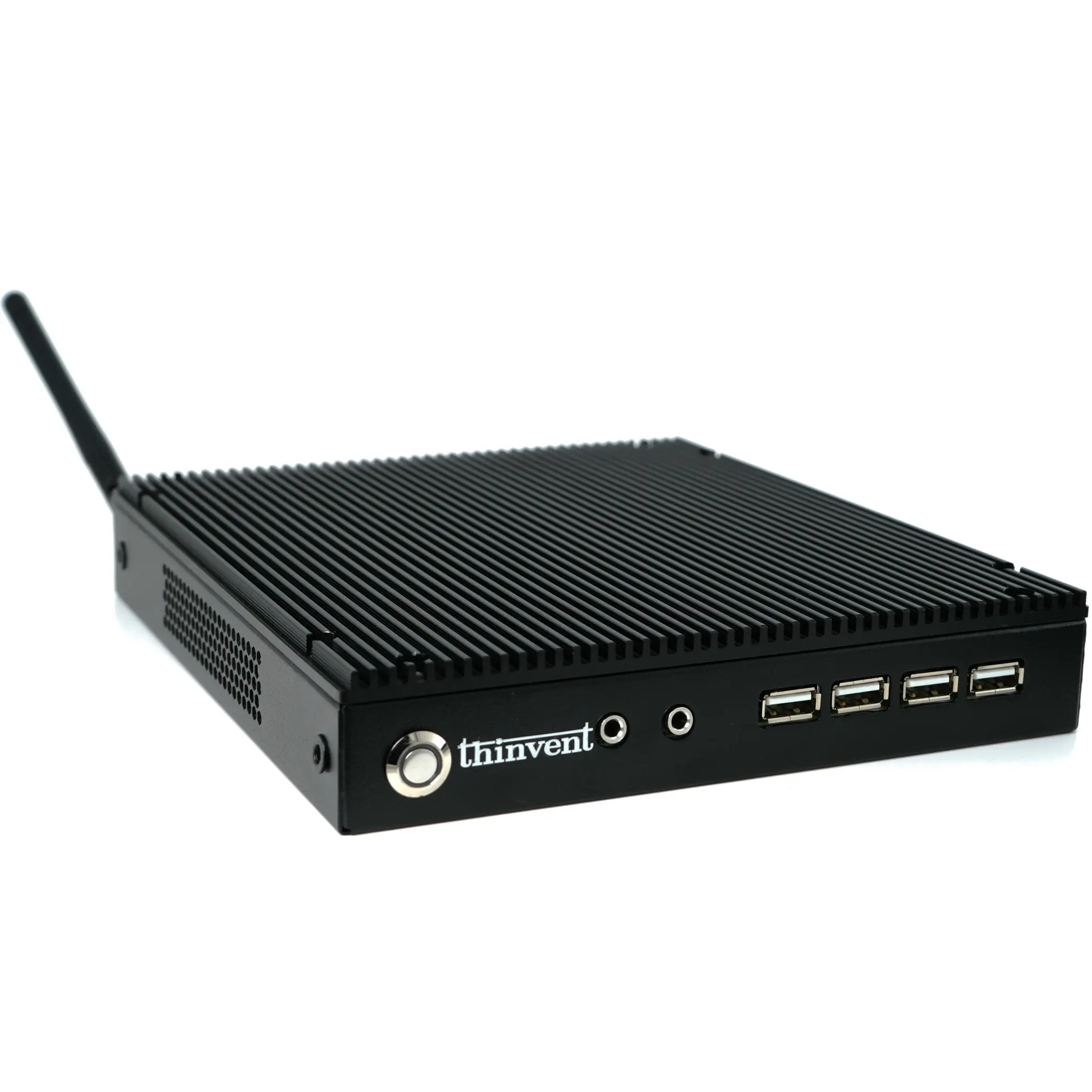
Understanding 12GB RAM and CPU Configurations
A system with 12GB of RAM and a capable CPU represents a balanced configuration designed for multitasking and handling demanding applications. While 12GB is not a standard memory size for most off-the-shelf industrial computers, it typically indicates a custom or specific configuration, often achieved by combining an 8GB module with a 4GB module. This amount of RAM is ideal for running multiple virtual machines, complex data acquisition software, or serving as a mid-tier server. The CPU's role is equally critical, as it determines the processing speed and efficiency for computational tasks, data analysis, and real-time operations.
Key Specifications and Technical Details
The performance of such a system hinges on the synergy between the RAM and the processor. Key specifications to consider include:
-
RAM Type and Speed: Modern industrial PCs utilize DDR4 or DDR5 RAM. Higher speeds (e.g., 3200 MHz) improve data transfer rates.
-
CPU Cores and Threads: A multi-core processor (e.g., 4, 6, or more cores) allows for parallel processing, essential for multitasking and running specialized industrial software.
-
CPU Generation: Newer processor generations (e.g., Intel's 12th Gen or newer) offer significant improvements in performance and power efficiency.
-
Thermal Design: Fanless cooling is a critical feature for industrial environments, ensuring reliability by preventing dust ingress and mechanical failure.
Ideal Use Cases and Applications
Industrial computers with 12GB RAM and robust CPUs are deployed in scenarios that require reliable, sustained performance without the bulk of a traditional desktop.
-
Digital Signage & Kiosks: Powering multiple high-resolution displays with dynamic content.
-
Factory Automation: Acting as a controller for PLCs, HMIs, and monitoring assembly line sensors.
-
Thin Client & VDI Hosts: Efficiently managing virtual desktop infrastructure sessions for multiple users.
-
Edge Computing Gateways: Processing data locally from IoT sensors before sending it to the cloud, reducing latency and bandwidth.
-
Network Appliances: Serving as firewalls, routers, or network-attached storage (NAS) devices.
Comparison of Common Configurations
| Feature | Entry-Level (e.g., Intel N-Series) | Mid-Range (e.g., Intel i3/i5) | High-Performance (e.g., Intel i7/i9) |
|---|---|---|---|
| Typical RAM | 8GB - 16GB | 16GB - 32GB | 32GB+ |
| CPU Cores | 4 | 6-10 | 10+ |
| Use Case | Basic HMI, Digital Signage | Multi-tasking, Light VDI Host | Data Analysis, Server, Heavy VMs |
| Power Draw | Very Low | Moderate | Higher |
| Cooling | Fanless | Often Fanless or Active | Typically Active |
Thinvent Industrial PCs with Optimized Performance
Thinvent specializes in manufacturing rugged, fanless industrial computers that can be configured to meet specific performance requirements, including systems with ample RAM and powerful processors. Our product range includes compact Mini PCs, versatile Thin Clients, and robust Industrial PCs, all built for 24/7 operation in challenging environments. Whether you need an energy-efficient system with an Intel N100 processor for kiosk duty or a high-core-count i5/i7 model for edge computing, Thinvent offers reliable, customizable solutions. Our systems support various operating systems, including Windows 11 IoT/Pro and Linux, and come with extensive connectivity options to integrate seamlessly into your industrial ecosystem.