A 28-core server represents the high-end of computing power, designed to handle the most demanding and intensive workloads. These servers are built around processors with a high core count, such as Intel Xeon Scalable or AMD EPYC series, which are engineered for data centers, enterprise applications, and scientific computing. The primary advantage of a 28-core configuration is massive parallel processing capability, allowing it to execute numerous tasks simultaneously with high efficiency. This makes it ideal for virtualization, large-scale databases, complex simulations, and rendering farms where single-threaded performance is less critical than overall throughput and multi-threaded scalability.
Key specifications for a robust 28-core server extend beyond the processor. They typically include support for large amounts of ECC (Error-Correcting Code) RAM—often 256GB, 512GB, or more—to feed data to all those cores without bottleneck. Storage is another critical component, with support for multiple NVMe SSDs in RAID configurations for ultra-fast data access and high-capacity HDDs for archival. Redundant power supplies, advanced thermal management, and multiple high-speed network interfaces (10GbE, 25GbE, or higher) are standard features to ensure reliability, uptime, and fast data transfer in a server environment.
Common Use Cases for 28-Core Servers:
-
Virtualization & Cloud Infrastructure: Hosting dozens of virtual machines (VMs) or containers for development, testing, and production environments.
-
High-Performance Computing (HPC): Running complex computational models for financial analysis, scientific research, and engineering simulations.
-
Media & Entertainment: Serving as a render node for 3D animation, video editing, and visual effects (VFX) pipelines.
-
Big Data Analytics: Processing and analyzing massive datasets in platforms like Hadoop or Spark.
-
Enterprise Databases: Powering large-scale SQL/NoSQL databases (e.g., Oracle, Microsoft SQL Server, MongoDB) that require high concurrent transaction processing.
Server vs. High-End Desktop/Industrial PC: While a true 28-core server is a rack-mounted or tower system, high-core-count processors are also available in desktop platforms. The key differences lie in features critical for 24/7 operation.
| Feature | True 28-Core Server (Xeon/EPYC) | High-Performance Industrial PC (Core i9/i7) |
|---|---|---|
| Processor Architecture | Server-grade (Xeon, EPYC) | Consumer/Desktop-grade (Core i9, i7) |
| Memory Support | ECC RAM, 8+ Channels, >1TB capacity | Non-ECC RAM, 2-4 Channels, <128GB typical |
| Reliability Features | RAS (Reliability, Availability, Serviceability) | Standard consumer-grade reliability |
| I/O & Expansion | Numerous PCIe lanes, multiple NICs | Limited PCIe lanes, fewer expansion slots |
| Primary Use Case | Data center, enterprise backend | Workstation, edge computing, industrial control |
Thinvent High-Performance Computing Solutions
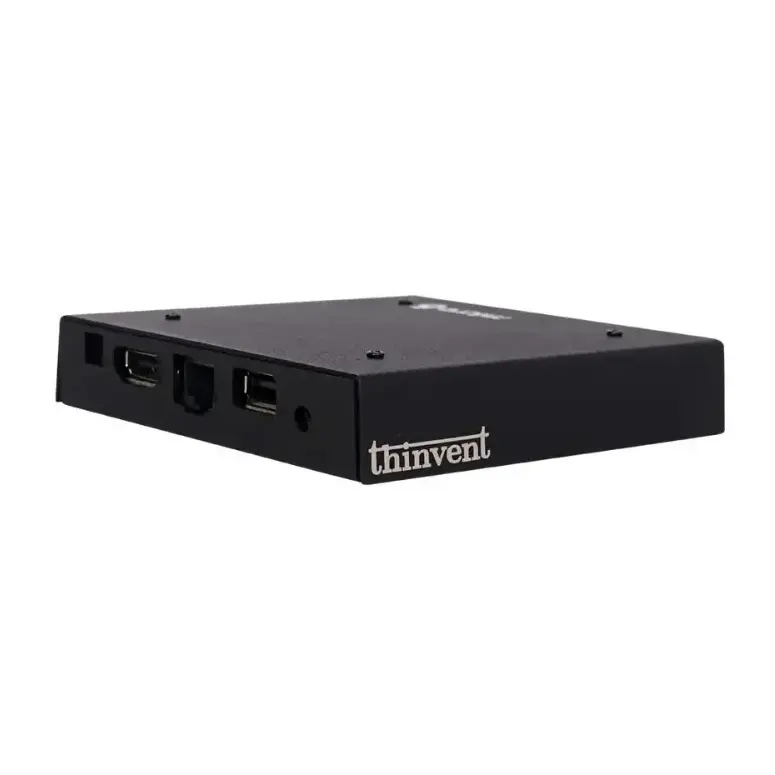
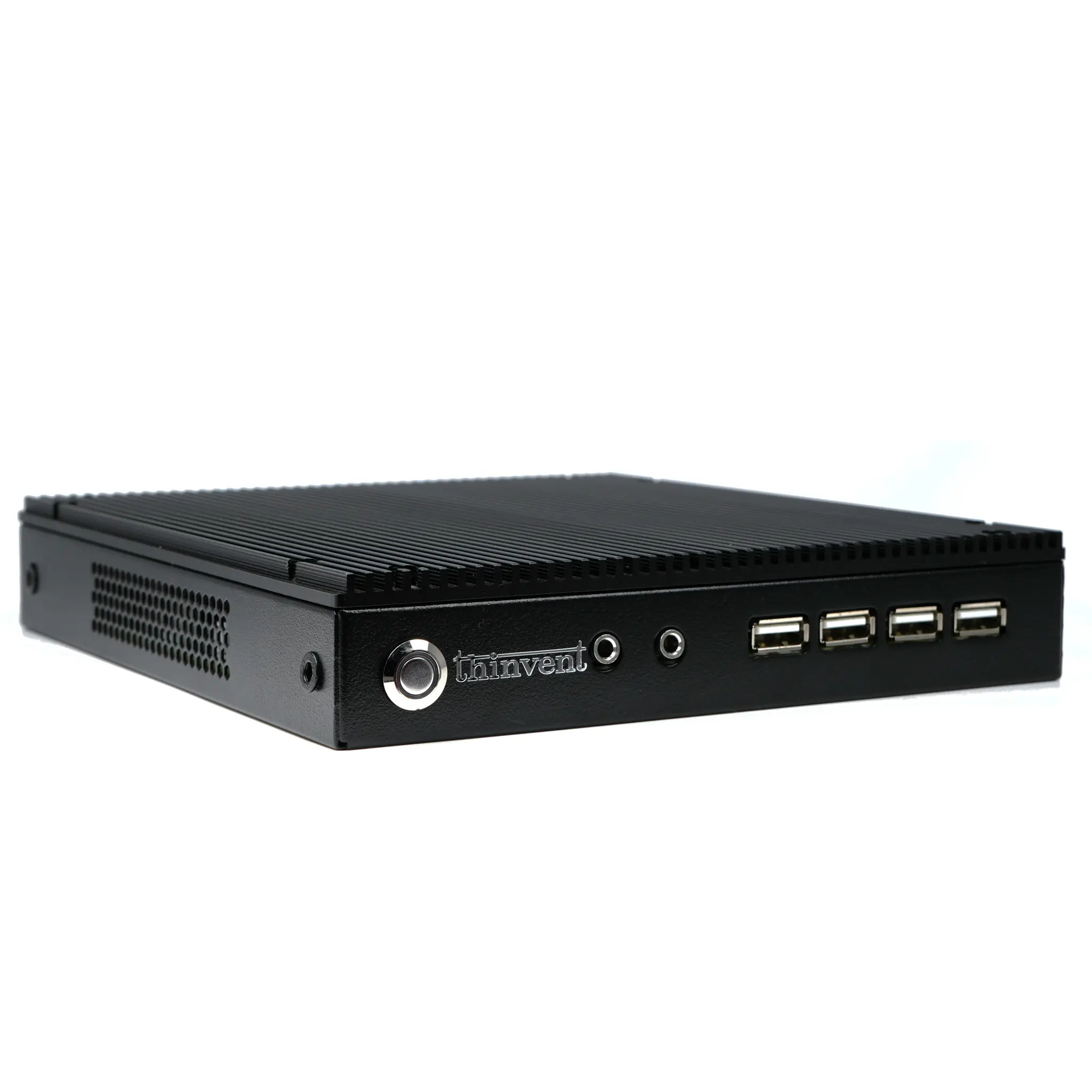
While Thinvent specializes in compact, reliable computing solutions like industrial PCs, mini PCs, and thin clients for edge and embedded applications, we understand the need for substantial processing power in constrained environments. For workloads that demand high core counts and performance but within a smaller, fanless, or industrial form factor, our solutions leverage the latest Intel Core processors.
Our high-end Industrial PC (IPC) and Mini PC lines feature processors like the Intel Core i5 and i7 series, which offer a significant number of performance and efficiency cores (e.g., 10, 12, or 14 cores in total) for demanding tasks such as machine vision, digital signage servers, industrial automation controllers, and compact workstations. These systems provide a balance of powerful multi-threaded performance, industrial durability, and silent fanless operation—ideal for deploying computational power directly where it's needed, outside the traditional data center.