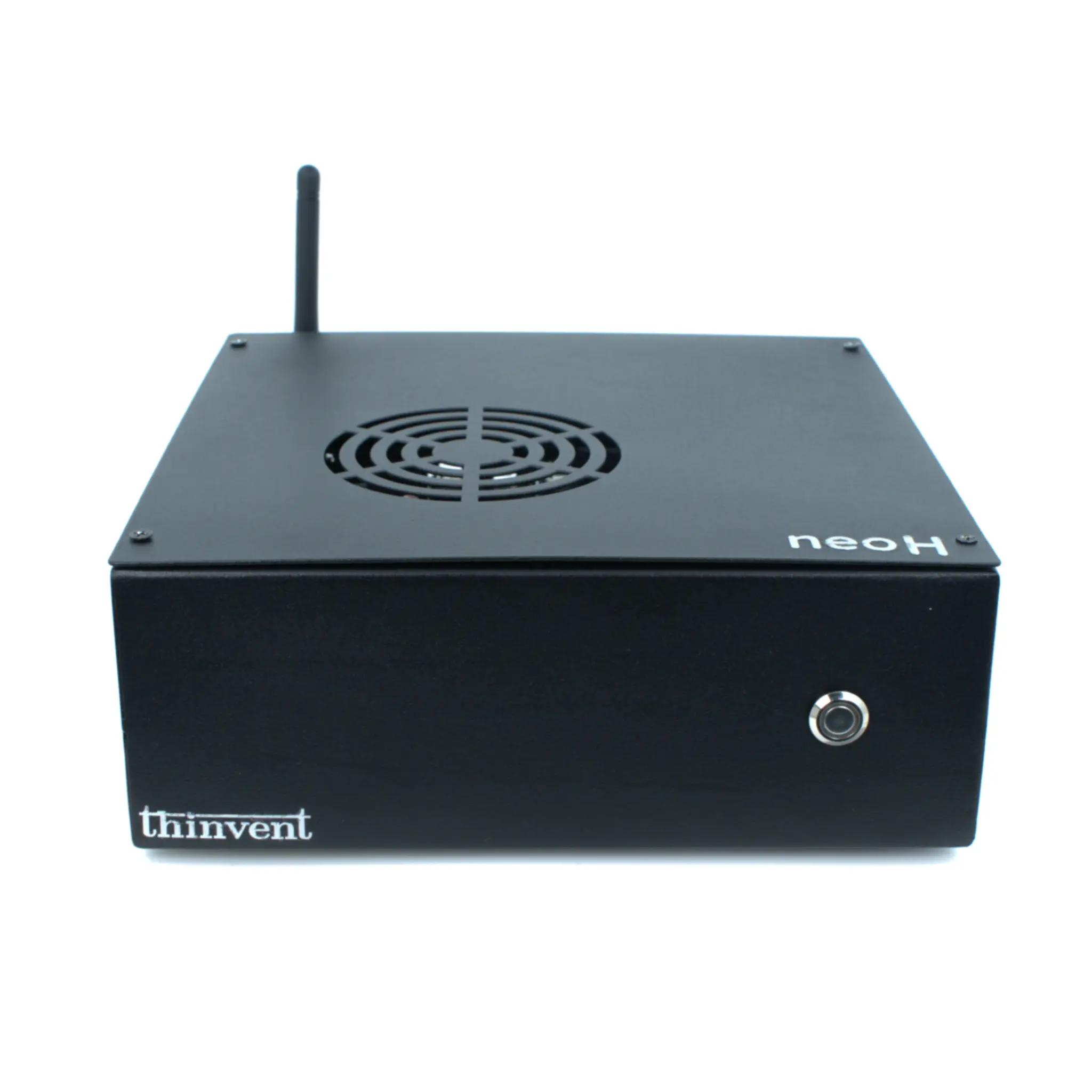
The Intel 80486, or i486, was a landmark 32-bit microprocessor introduced in 1989, representing the fourth generation of x86 architecture. It brought significant advancements over its predecessor, the 386, including an integrated floating-point unit (FPU) in most models, an on-chip Level 1 cache (initially 8 KB), and a more efficient pipeline that executed many instructions in a single clock cycle. Top-tier models like the 486DX4-100 ran at 100 MHz. While revolutionary for its time, its raw computational power is vastly exceeded by even the most basic modern processors. Today, systems designed for applications that once ran on 486-based hardware require modern reliability, connectivity, and energy efficiency, not raw clock-for-clock equivalence.
Modern Specifications for Legacy Applications
Modern industrial and embedded computers designed to replace or upgrade 486-era systems focus on robust performance within constrained environments. Key specifications for such applications include:
-
Processor: Modern low-power, fanless processors from Intel's Celeron, N-series, or entry-level Core series provide orders of magnitude more performance. For example, an Intel N100 (4 cores, up to 3.4 GHz) offers vastly superior multi-threaded performance and power efficiency.
-
Memory: 4GB to 8GB of DDR4 RAM is standard, compared to the megabytes used in 486 systems.
-
Storage: Solid-state drives (SSD) or eMMC storage (128GB to 256GB) provide fast, reliable, and silent operation, replacing mechanical hard drives or older solid-state modules.
-
Connectivity: Multiple Gigabit Ethernet ports, USB 3.2, HDMI/DisplayPort outputs, and optional WiFi are standard, enabling integration into modern networks and peripherals.
-
Form Factor: Fanless, compact designs (Mini PC, Industrial PC) are crucial for dusty, space-constrained, or vibration-prone environments where legacy 486 systems might have been deployed.
Key Use Cases and Applications
Modern fanless computers are ideal successors for legacy 486 applications, offering silent operation, minimal maintenance, and long-term reliability.
-
Industrial Automation & Control: Direct replacement for legacy PLCs or control computers in manufacturing, packaging, and assembly lines.
-
Digital Signage & Kiosks: Powering menu boards, information displays, and interactive kiosks with modern media support.
-
Thin Client & Terminal Services: Providing secure, centralized access to enterprise applications and virtual desktops.
-
Embedded Systems: Serving as the core for medical devices, test equipment, and point-of-sale systems where reliability is paramount.
Thinvent's Modern Solutions for Demanding Environments
Thinvent specializes in robust, fanless computing solutions perfect for upgrading from or replacing legacy 486-based systems. Our product range offers the durability and modern connectivity required for industrial and commercial applications.
Thinvent Industrial PC Series: Our IPC line, such as models featuring Intel Core i3 or i5 processors, is built for 24/7 operation in challenging conditions. With wide voltage input and robust casing, they are direct upgrades for industrial control applications.
Thinvent Mini PC Series: Compact and versatile models like the Treo (Intel N100) or Aero (Intel Core i3/i5) provide a powerful footprint for digital signage, kiosks, or office productivity, all in a silent, fanless design.
Thinvent Micro Thin Client Series: For terminal-based workloads, our ARM-powered Micro series offers an ultra-low-power, cost-effective endpoint solution running Thinux™ Embedded Linux, ideal for simple display or access tasks.
Each Thinvent system is engineered for reliability, offering modern performance that seamlessly bridges the gap from legacy 486 applications to today's connected, digital requirements.