What Is IEC 61850-3 and Why Does It Matter for Industrial Computers?
IEC 61850 is the international standard for communication networks and systems in electrical substations. It defines an object-oriented data model with standardized nomenclature for protection, control, and monitoring devices — unlike signal-oriented protocols such as Modbus, DNP3, or IEC 60870, which vary in data structure from vendor to vendor. The standard covers several parts, and the one most relevant to hardware selection is IEC 61850-3, which defines the environmental conditions that equipment installed in a substation must withstand.
In practice, IEC 61850-3 compliance means a device is designed and tested for what a substation actually does to electronics: high levels of electromagnetic interference (EMI), electrostatic discharge, surges and fast transients on power and communication lines, wide ambient temperature swings, vibration, and continuous operation. Combined with redundancy protocols such as PRP (Parallel Redundancy Protocol) or HSR (High-availability Seamless Redundancy), IEC 61850-3-class hardware reaches the availability levels that protection and control applications demand.
Key Hardware Requirements for IEC 61850 Systems
A computer running IEC 61850 workloads — whether acting as a substation gateway, protocol converter, or central control computer — typically needs:
-
Robust power input: wide-range DC input with isolation and surge protection, often 12V–36V or 24V–48V DC, tolerant of dips and transients on station battery supplies.
-
Electromagnetic compatibility: compliance with IEC 61850-3 / IEEE 1613 emission and immunity levels, including ESD, radiated immunity, and conducted disturbance tests.
-
Fanless, sealed cooling: no moving air path for dust, conductive particles, or humidity, and no fan to fail in a 24/7 duty cycle.
-
Serial connectivity: multiple isolated RS-232/RS-485 ports for legacy IEDs, RTUs, and serial SCADA links (DNP3 over serial, IEC 60870-5-101).
-
Multiple Ethernet ports: separate LANs for station bus, process bus, and SCADA uplink, with support for PRP/HSR redundancy and VLAN segmentation.
-
Wide-temperature operation: reliable operation across substation cabinet temperature ranges, often -20°C to +60°C or wider.
Software and Protocol Stack Considerations
The IEC 61850 stack itself runs in software: MMS client/server for vertical communication to SCADA, GOOSE for fast horizontal peer-to-peer signalling between IEDs, and SV (Sampled Values) for process-bus data. A gateway computer may also need to translate between protocols — for example, mapping IEC 61850 logical nodes to DNP3 objects, or converting IEC 61850 MMS to IEC 60870-5-104 for the control centre. This places real demands on CPU performance, memory, and deterministic network handling, particularly when GOOSE and SV traffic must meet strict latency budgets.
Modern substation architectures increasingly virtualize these functions. A hardened industrial computer with sufficient cores and RAM can host multiple gateway, HMI, and data-concentrator workloads as virtual machines, reducing the number of separate boxes in the cabinet. Intel Core i3 and i5 class processors with 16GB or more of RAM provide ample headroom for protocol conversion, local historian functions, and edge analytics alongside the IEC 61850 stack.
Typical Applications
| Application | Typical Requirements |
|---|---|
| Substation gateway / protocol converter | Multiple isolated Ethernet, serial ports, fanless, wide DC input |
| Central control computer (substation HMI) | Higher CPU performance, 16–32GB RAM, SSD storage, dual LAN |
| RTU replacement / data concentrator | Quad or more serial ports, fanless, DIN or rack mount |
| Digital substation edge node | PRP/HSR-capable LANs, low latency, wide temperature |
| Remote monitoring / SCADA front-end | Redundant Ethernet, VPN support, unattended operation |
Choosing the Right Platform
When specifying an IEC 61850-3-class computer, match the port count to the number of IEDs and serial devices you need to reach, confirm the power input matches your station battery voltage, and verify the temperature and EMC ratings against your substation environment. Fanless designs are strongly preferred for cabinets where dust, heat, and vibration are constant factors. Also consider the operating system and long-term support: embedded Linux builds and Windows IoT editions are common choices for unattended substation equipment, while industrial Linux distributions offer long support cycles and a smaller attack surface.
Thinvent Industrial Computers for IEC 61850 Deployments
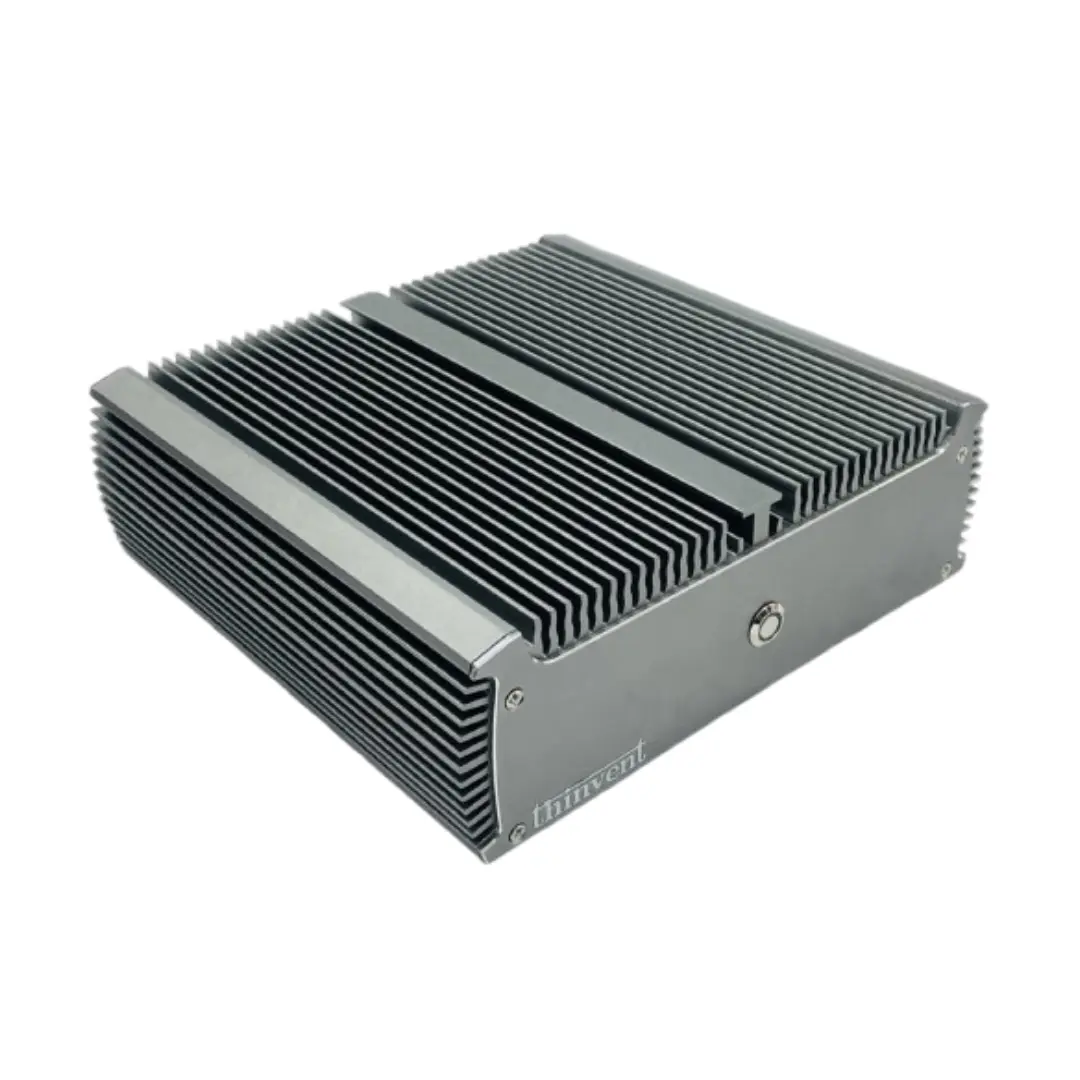
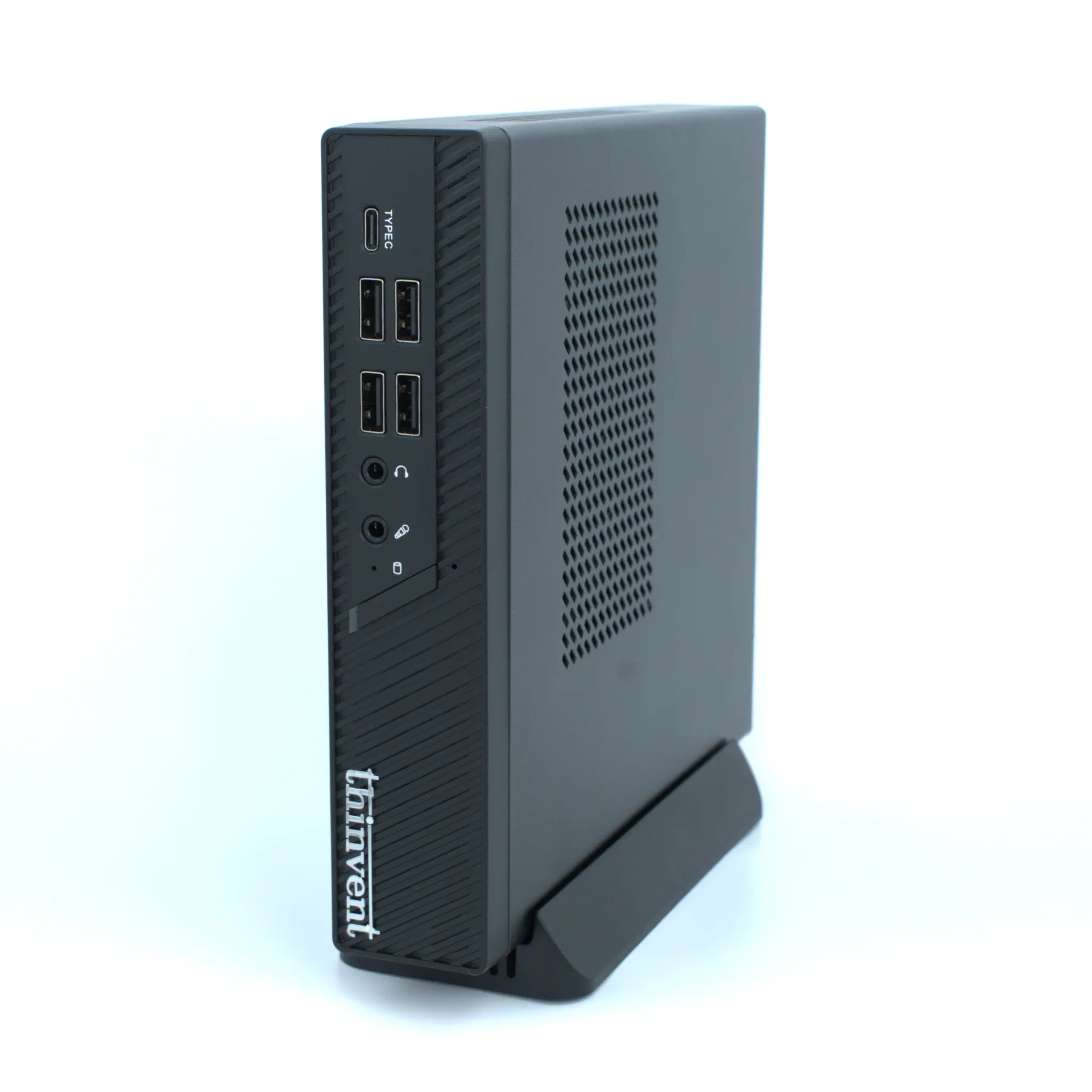
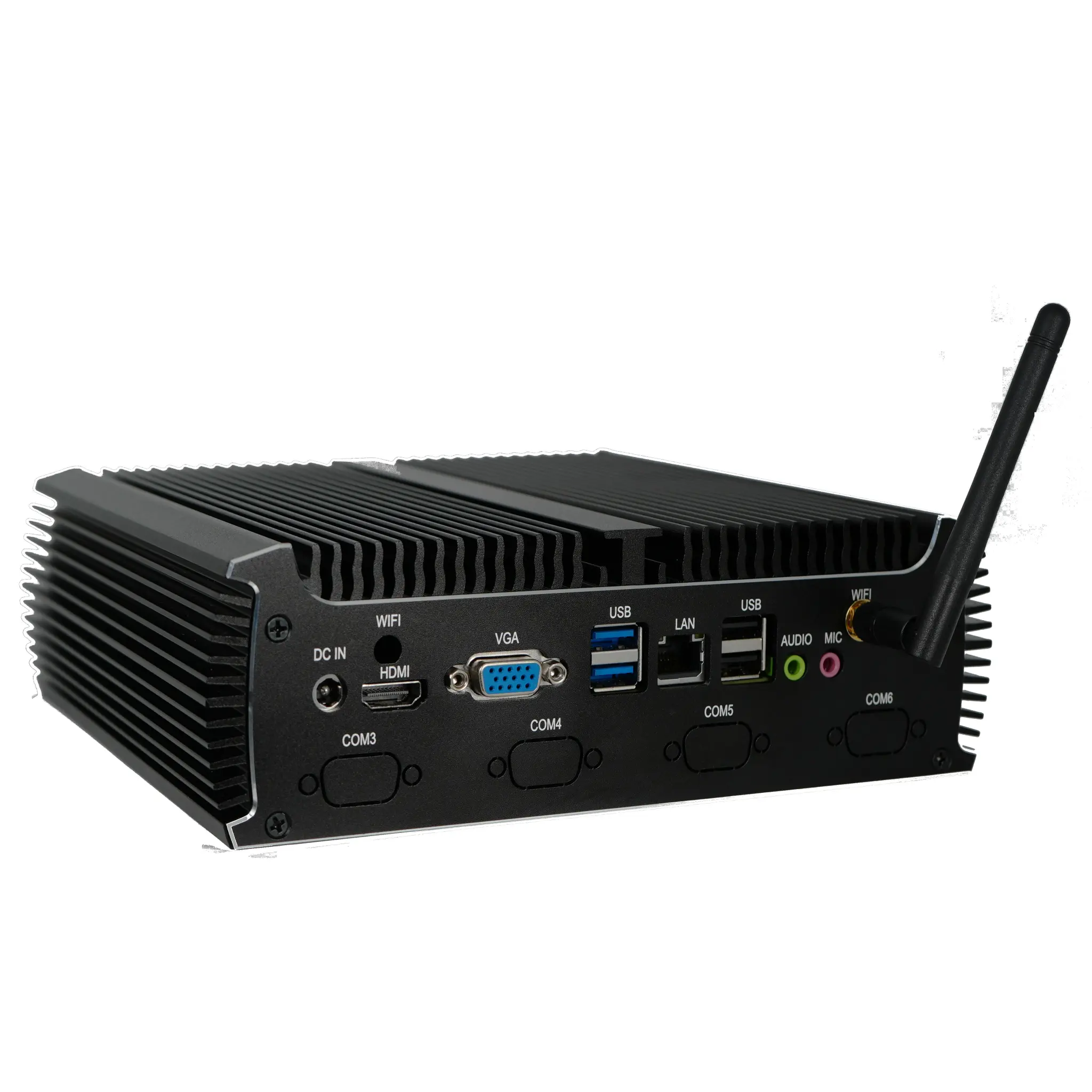
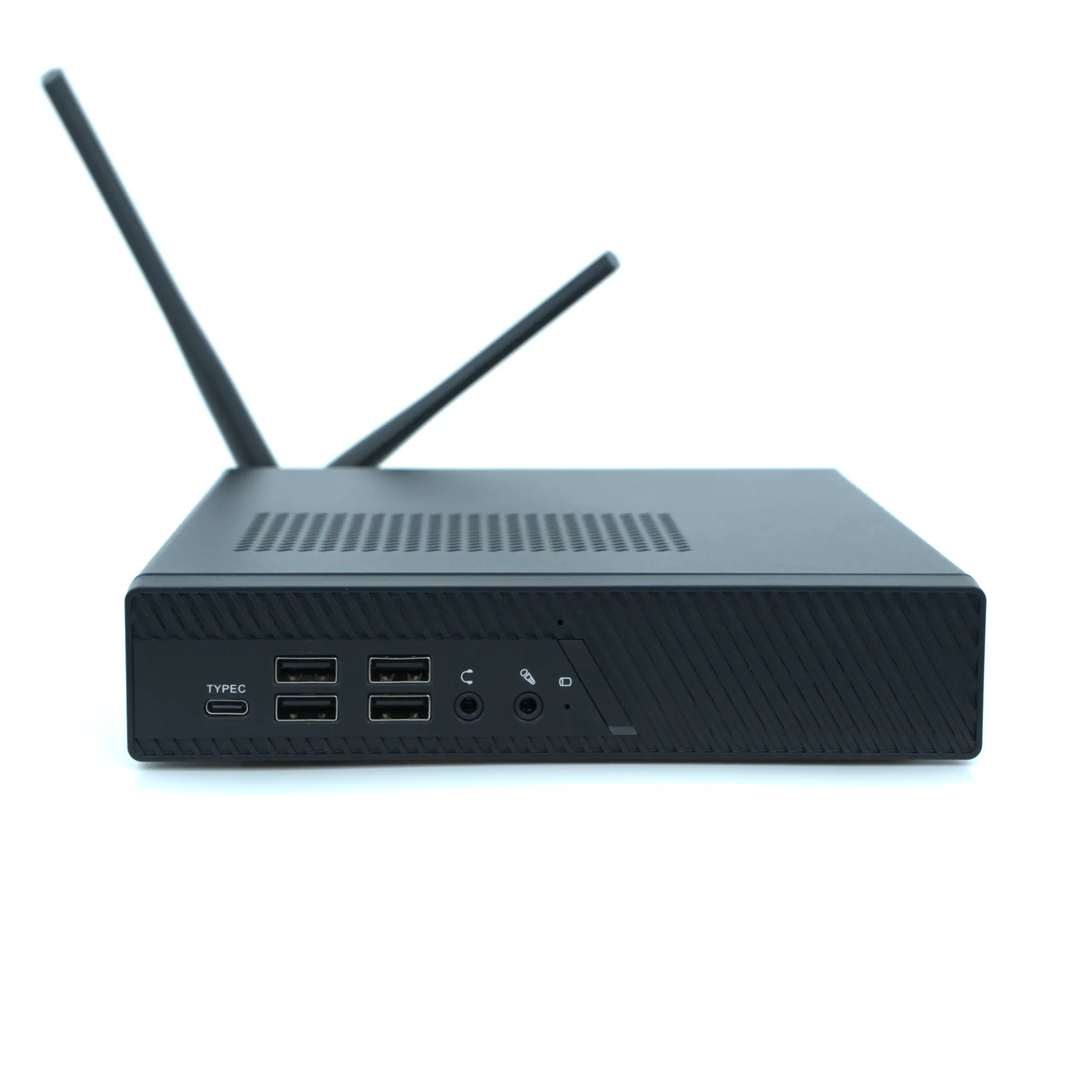
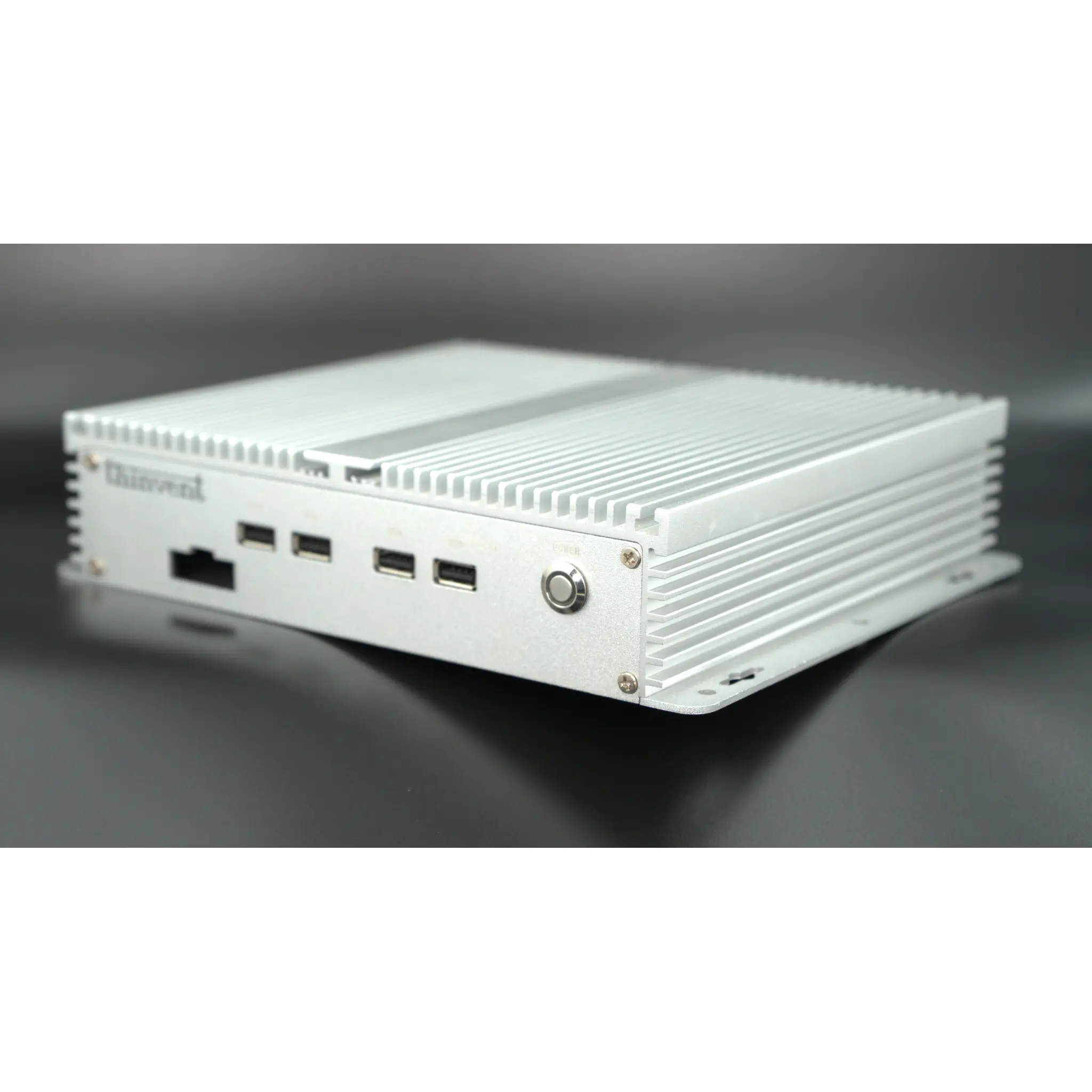
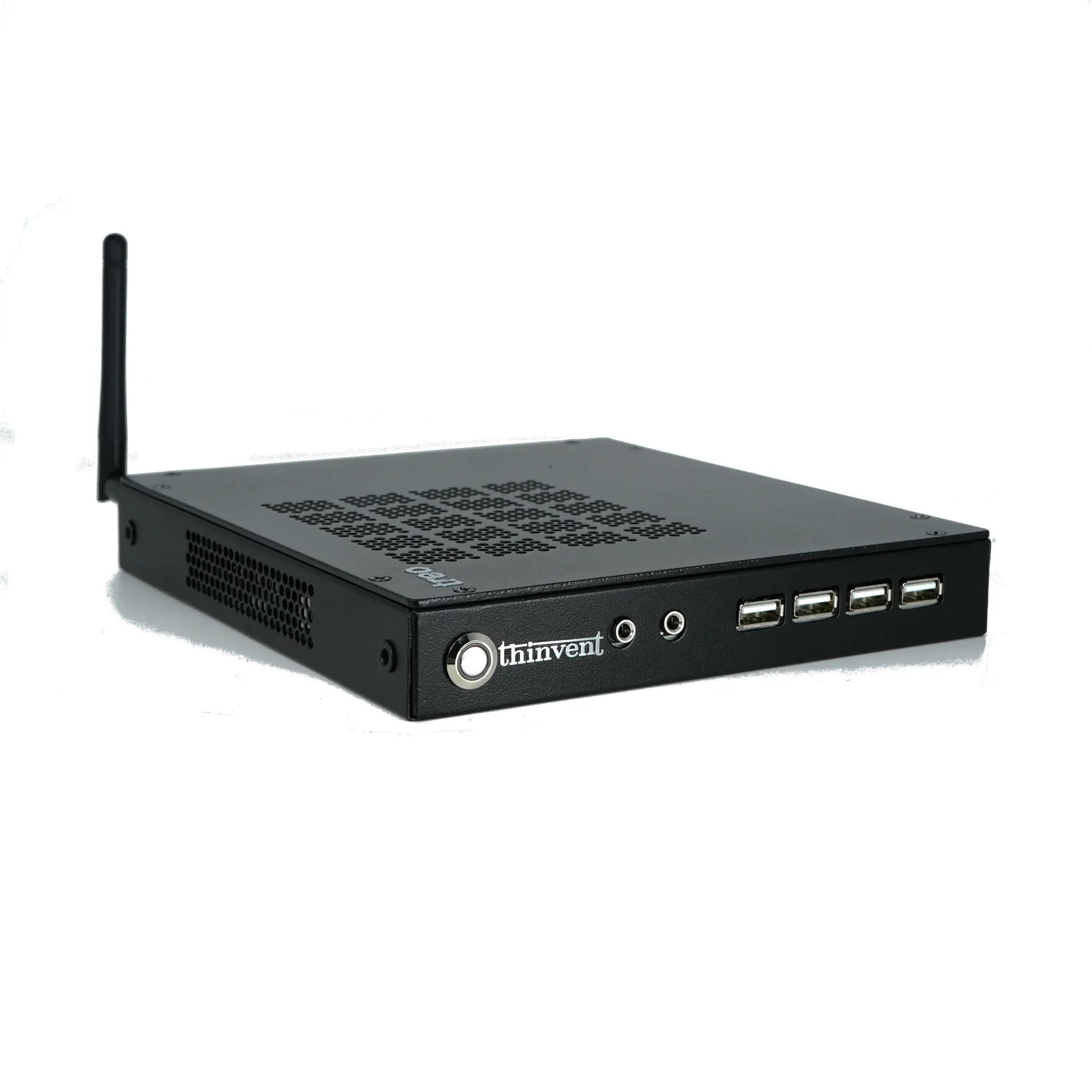
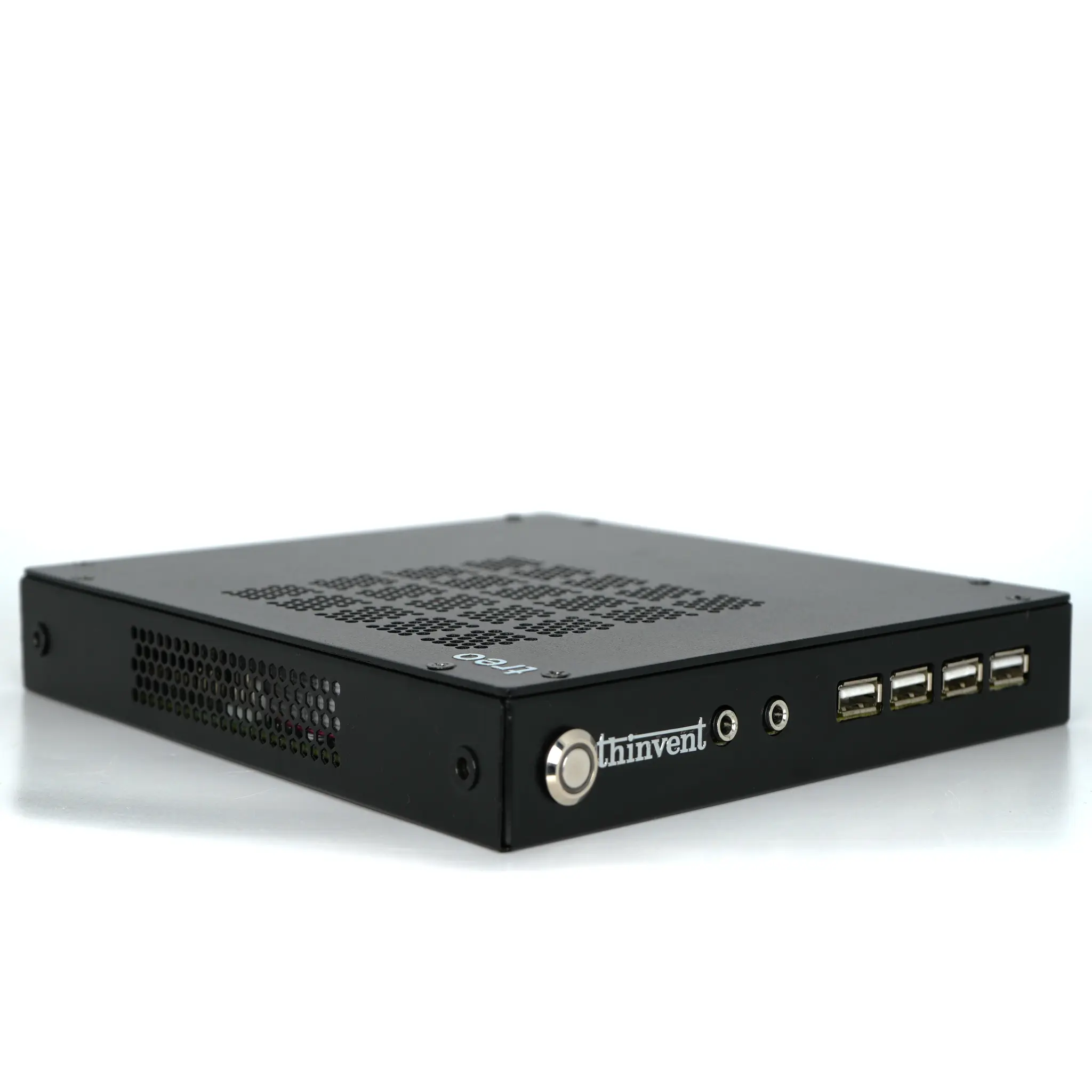
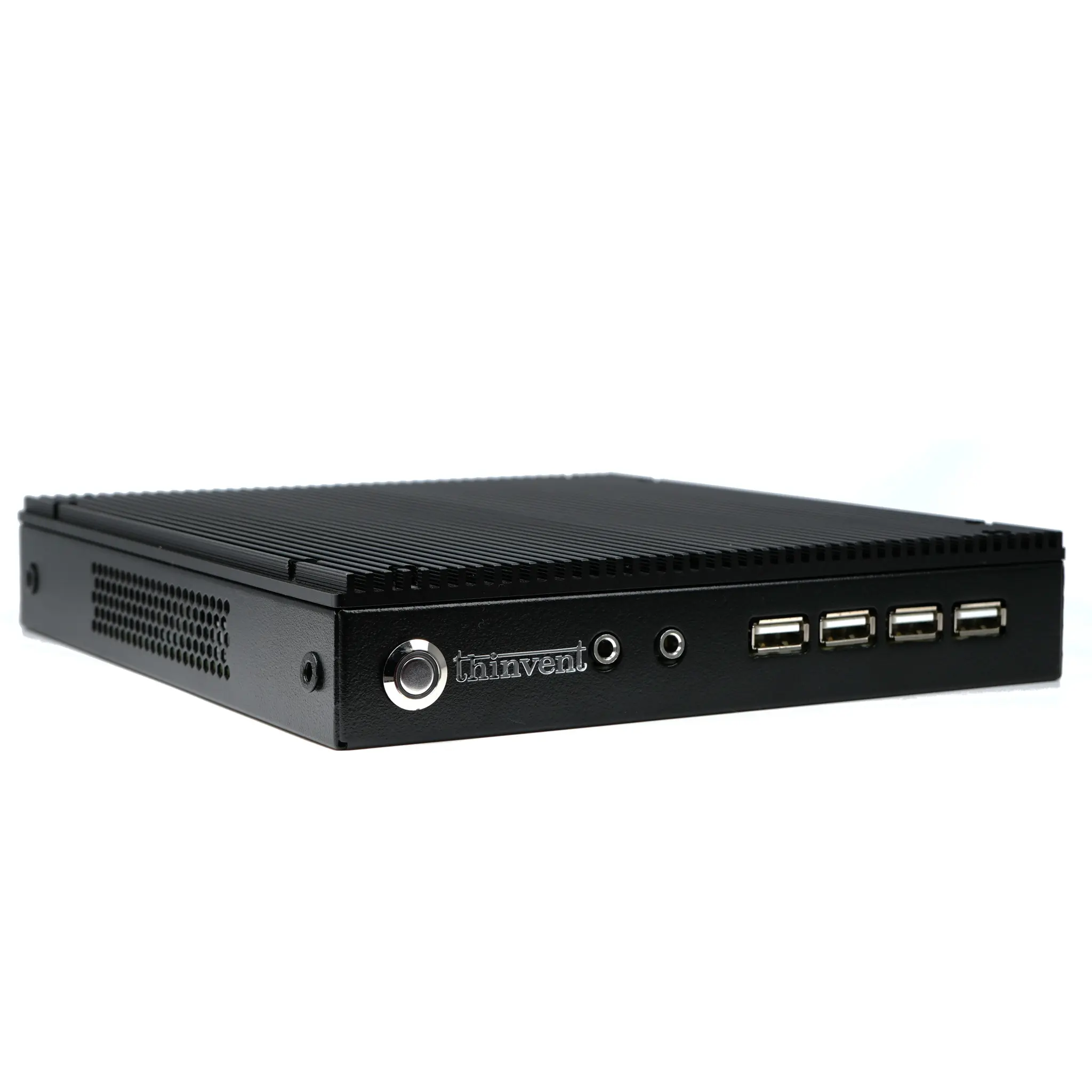
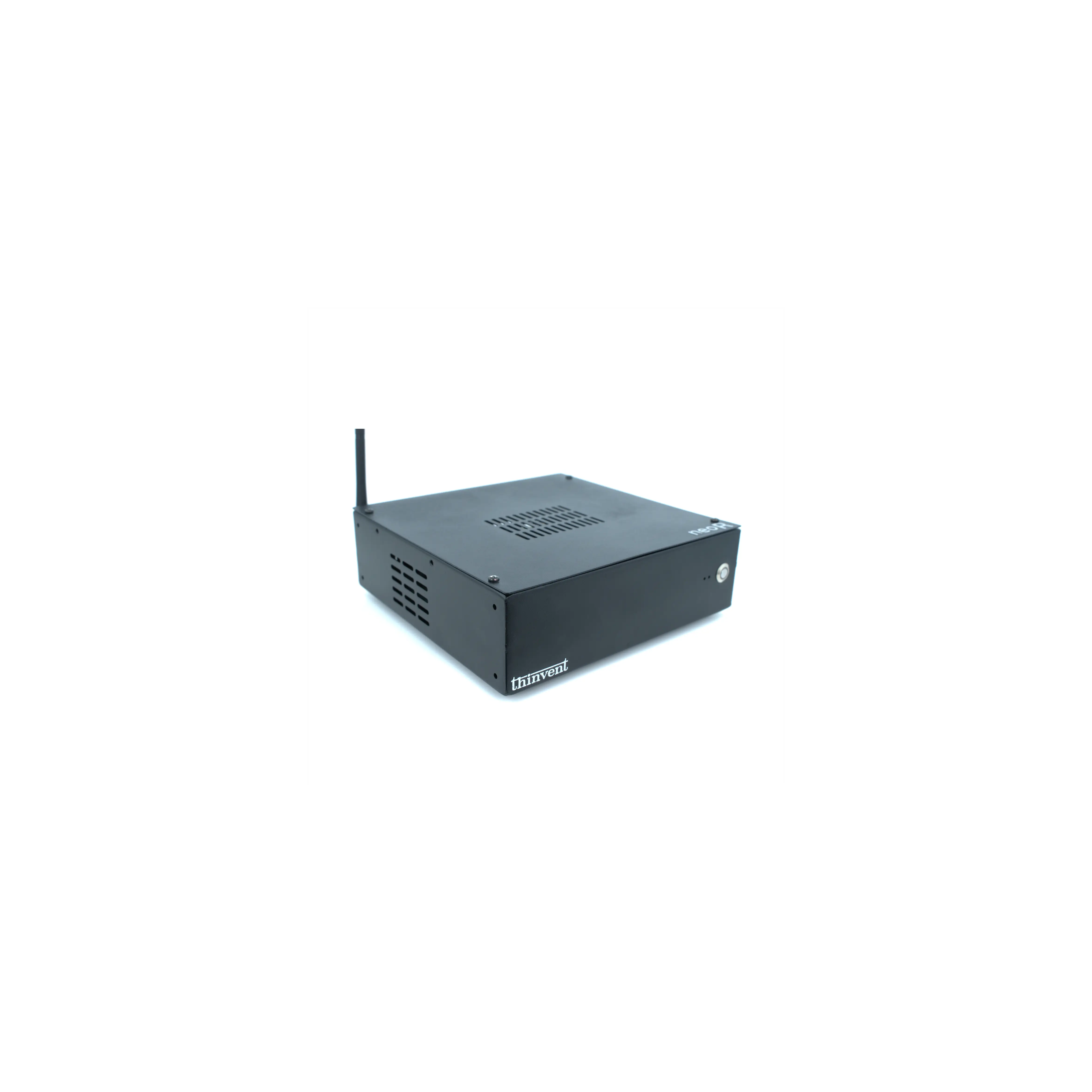
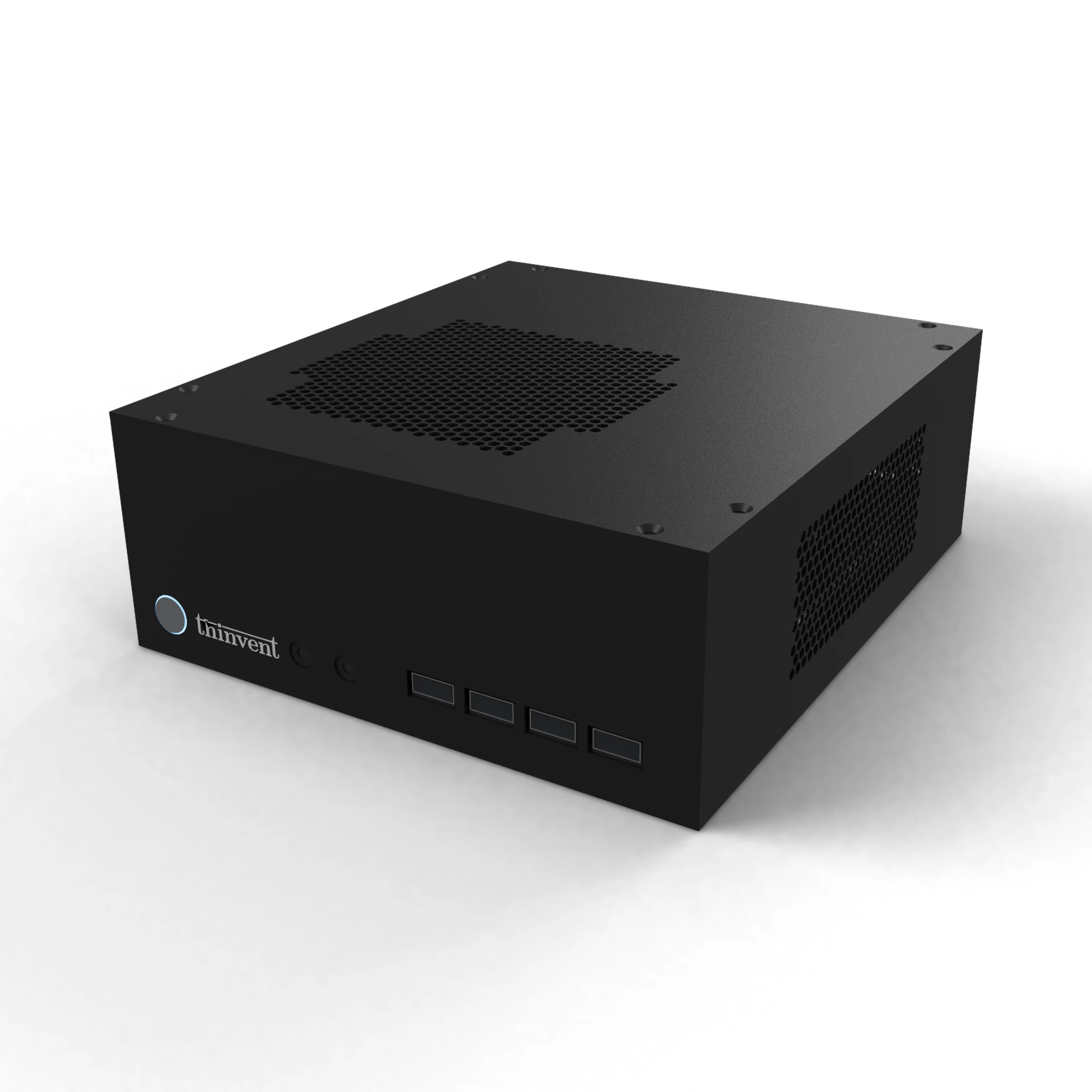
Thinvent's IPC3 series industrial computers are built for exactly this class of application. Powered by Intel® Core™ i3-1215U processors (6 cores, up to 4.4 GHz, 10 MB cache) with 16GB DDR4 RAM and 1TB SSD storage, they deliver the compute headroom needed for IEC 61850 protocol stacks, gateway software, and local HMI workloads. Fanless construction, a 12V 7A DC adapter, and a compact industrial chassis suit substation cabinets where dust, heat, and continuous duty are the norm.
For serial-heavy installations, Thinvent offers IPC3 configurations with Quad DB9 serial ports, ideal for connecting legacy IEDs, RTUs, and serial SCADA links alongside Ethernet-based IEC 61850 traffic. Operating system options include Windows 11 Professional, Windows 11 IoT Value, DOS, and Thinvent's own Thinux™ Embedded Linux, so you can deploy the platform that matches your substation software stack. Whether you are building a substation gateway, a data concentrator, or a central control computer, Thinvent's industrial PC range provides a reliable, fanless foundation for IEC 61850 automation.