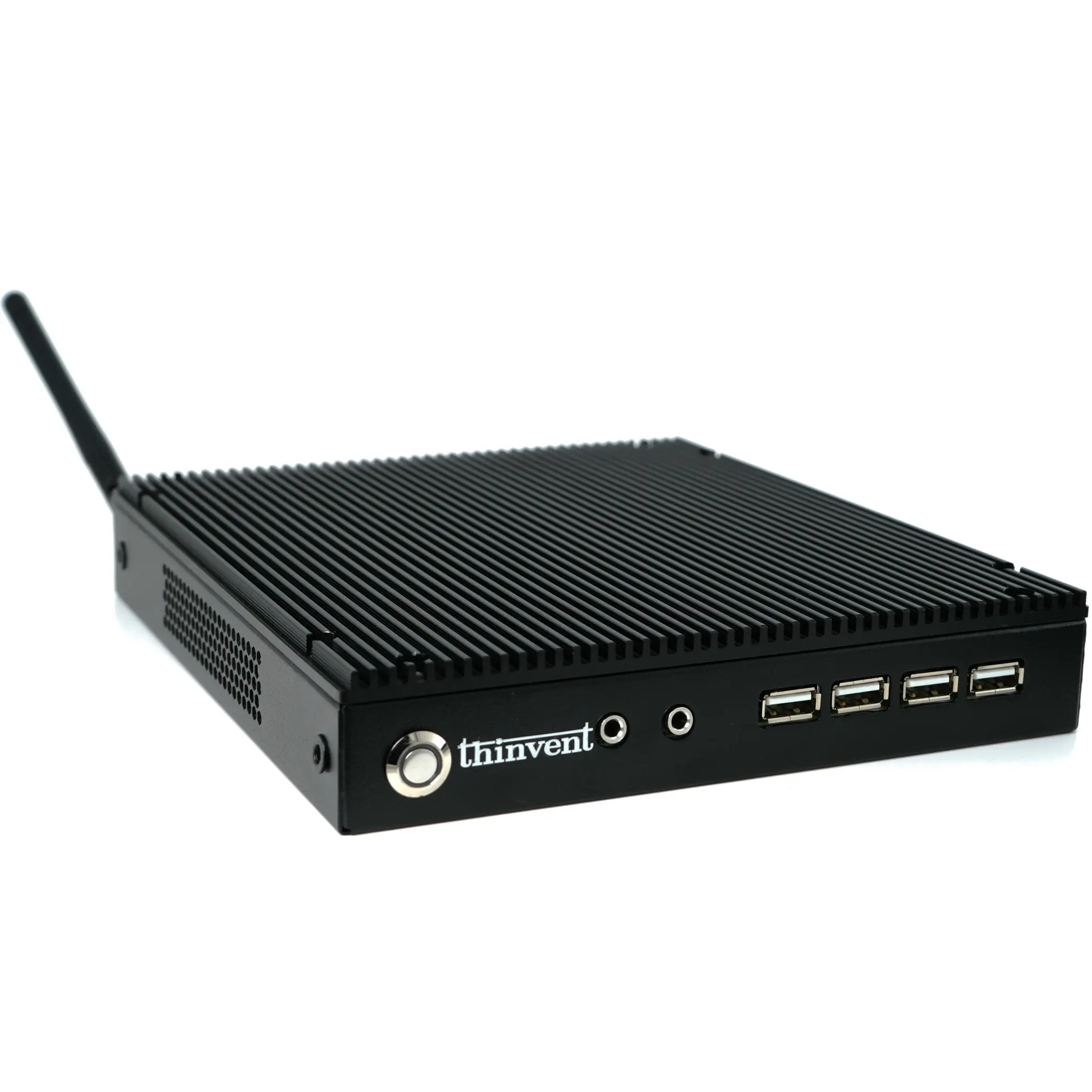
AMD desktop computers are computing systems built around processors designed by Advanced Micro Devices (AMD). These systems are known for offering strong multi-core performance, competitive integrated graphics, and excellent value, making them a popular choice for a wide range of computing needs. In industrial and commercial environments, AMD-powered desktops provide reliable processing power for demanding applications.
Key Specifications and Technical Details
Modern AMD desktops typically feature Ryzen or Athlon series processors. Key specifications to consider include:
-
Processor Series: Ryzen 3, 5, 7, or 9 for varying performance tiers; Athlon for entry-level tasks.
-
Core Count: Ranging from 4 cores for basic multitasking to 16+ cores for intensive workloads.
-
Integrated Graphics: Many AMD APUs (Accelerated Processing Units) feature Radeon Vega or RDNA graphics, eliminating the need for a separate graphics card for display output and light graphical tasks.
-
Platform Support: Compatible with standard DDR4 or DDR5 memory and NVMe SSDs for fast storage.
Use Cases and Applications
AMD desktops are versatile and suitable for numerous professional scenarios:
-
Digital Signage & Kiosks: Reliable 24/7 operation for content playback.
-
Office Productivity: Efficient handling of office suites, web applications, and communication tools.
-
Light Creative Work: Capable of photo editing, video rendering, and CAD applications, especially with higher-core-count Ryzen processors.
-
Industrial Automation: Serving as control units or HMIs (Human-Machine Interfaces) in manufacturing.
-
Thin Client & VDI Hosts: Acting as endpoints for virtual desktop infrastructure.
AMD vs. Intel: A Quick Comparison
| Feature | AMD Desktops | Intel Desktops |
|---|---|---|
| Strengths | Often better multi-core performance per dollar; strong integrated graphics in APUs. | Wide ecosystem support; strong single-core performance; integrated graphics across most models. |
| Power Efficiency | Competitive, with efficient architectures in mobile and embedded segments. | Highly competitive, especially with Intel's latest low-power designs. |
| Common Industrial Use | General-purpose workstations, media servers, graphics-capable kiosks. | Fanless industrial PCs, compact systems, legacy software compatibility. |
Thinvent's Range of Computing Solutions
While Thinvent's current product portfolio is optimized with Intel processors for reliability and fanless operation in harsh environments, we understand the diverse needs of the global market. Our expertise in building robust, compact industrial computers translates into systems designed for continuous operation, whether for digital signage, factory automation, or edge computing. We focus on delivering solutions with stable performance, wide operating temperature ranges, and flexible I/O configurations to meet specific application requirements.