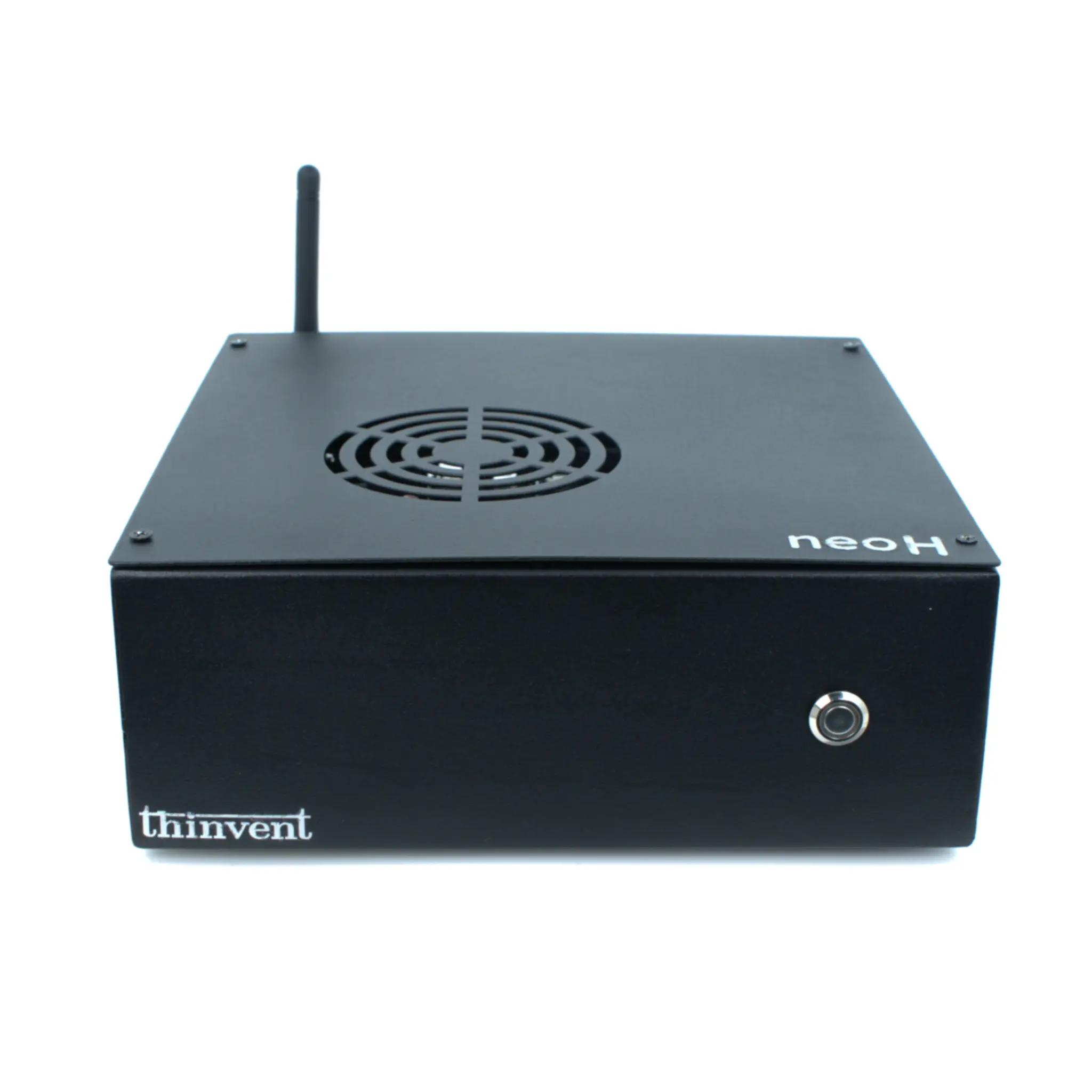
What Are Compact Mini PCs?
Compact Mini PCs are small-form-factor computers designed to deliver desktop-level performance while occupying minimal space. They are ideal for environments where a traditional tower or all-in-one PC is impractical. These systems typically feature modern, efficient processors, solid-state storage, and versatile connectivity, all housed in a chassis often smaller than a standard book. They represent a significant evolution from bulky desktops, offering a blend of power, silence, and energy efficiency.
Key Specifications and Technical Details
Modern compact Mini PCs are built around low-power, high-efficiency processors like Intel's N-series (e.g., N100) or U-series Core processors. Key specifications to consider include:
-
Processor: Multi-core CPUs (e.g., 4-core) with high burst frequencies (e.g., up to 3.4 GHz) for responsive performance in office and media tasks.
-
Memory: Typically equipped with 8GB to 16GB of DDR4/DDR5 RAM for smooth multitasking.
-
Storage: Fast NVMe or SATA SSDs ranging from 128GB to 1TB for quick boot times and application loading.
-
Connectivity: Multiple USB ports (including USB-C), HDMI/DisplayPort outputs for dual monitors, Gigabit Ethernet, and often Wi-Fi & Bluetooth.
-
Design: Fanless or quiet fan designs for silent operation, powered via a small external adapter (e.g., 12V).
Use Cases and Applications
The small size and capable performance of Mini PCs make them suitable for a wide array of applications:
-
Digital Signage & Kiosks: Reliably powering displays in retail, hospitality, and public information points.
-
Office Workstations: As primary desktops for general office productivity, web browsing, and video conferencing.
-
Home Theater PCs (HTPCs): Connecting to TVs for streaming media in living rooms.
-
Light Industrial Computing: Deploying in control rooms, manufacturing floors, or labs where space is constrained and reliability is key.
-
Thin Client / VDI Endpoints: Serving as efficient endpoints for virtual desktop infrastructure.
Comparison: Mini PC vs. Traditional Desktop
| Feature | Compact Mini PC | Traditional Desktop Tower |
|---|---|---|
| Size/Footprint | Extremely small (often < 1L volume) | Large, requires significant desk/floor space |
| Noise Level | Very low (often fanless) | Can be audible under load |
| Power Consumption | Very low (typically 10W-65W) | Moderate to High (65W+ for CPU alone) |
| Performance | Sufficient for office, media, light tasks | High, scalable for gaming, rendering, heavy workloads |
| Upgradability | Limited (usually RAM & SSD only) | Highly upgradable (CPU, GPU, RAM, storage) |
| Typical Use | Space-constrained, silent, efficient environments | Performance-critical, customizable setups |
Thinvent's Range of Compact Mini PCs
Thinvent offers a robust lineup of industrial-grade compact Mini PCs, such as the Aero series, designed for demanding 24/7 operation. These systems prioritize reliability, fanless cooling for silent and dust-resistant operation, and broad compatibility with various operating systems. Built with industrial components, Thinvent Mini PCs are an excellent choice for business, digital signage, and embedded applications where long-term stability in diverse environments is paramount. They provide a professional, durable alternative to consumer-grade mini desktops.