For professional 3D rendering, the best CPUs are those that offer a high core count, high clock speeds, and large cache sizes to efficiently handle complex calculations, ray tracing, and scene compilation. Rendering is a highly parallelizable task, meaning performance scales significantly with the number of CPU cores and threads. Modern Intel Core i5, i7, and i9 processors from the 12th generation and newer, featuring hybrid architectures with Performance-cores (P-cores) and Efficient-cores (E-cores), are excellent choices. For industrial and embedded applications where reliability and fanless operation are critical, selecting a CPU with sufficient thermal headroom is also paramount.
Key Specifications for Rendering CPUs
When selecting a CPU for 3D rendering workloads, prioritize these technical specifications:
-
High Core/Thread Count: More physical cores and threads allow the CPU to process more rendering tasks simultaneously. Aim for a minimum of 6 cores, with 10 or 12 cores being ideal for professional work.
-
High Clock Speeds: While multi-core performance is king, higher base and turbo frequencies ensure individual tasks and viewport interactions remain snappy.
-
Large Cache: A larger L3 cache (often 12MB or more) allows the CPU to store more scene data close to the cores, reducing latency and speeding up computations.
-
Memory Support: Rendering complex scenes consumes significant RAM. A CPU that supports high-capacity, high-speed DDR4 or DDR5 memory (32GB or more) is essential to avoid bottlenecks.
Applications and Use Cases
CPUs optimized for 3D rendering are vital across numerous industries:
-
Digital Content Creation: Running software like Blender, Autodesk Maya, 3ds Max, and Cinema 4D for animation, VFX, and game asset creation.
-
Architectural Visualization: Rendering photorealistic still images and walkthroughs from CAD models in tools like V-Ray, Corona Renderer, and Lumion.
-
Product Design & Engineering: Creating detailed renderings and simulations for prototypes in automotive, aerospace, and consumer goods design.
-
Scientific Visualization: Processing and rendering complex data sets and simulations.
CPU Comparison for Rendering Tasks
| Use Case Tier | Recommended Series | Ideal Core Count | Key Considerations |
|---|---|---|---|
| Entry-Level / Light Duty | Intel Core i3 / i5 | 6 - 10 Cores | Suitable for learning, small projects, or less complex renders. Balances cost and performance. |
| Professional Workstation | Intel Core i5 / i7 | 10 - 14 Cores | The sweet spot for most studios. Handles complex scenes, animation sequences, and frequent iterations efficiently. |
| High-End / Render Node | Intel Core i7 / i9 | 14+ Cores | For final-frame rendering farms, extremely complex scenes, and maximizing productivity where time is critical. |
Thinvent Industrial PCs for 3D Rendering
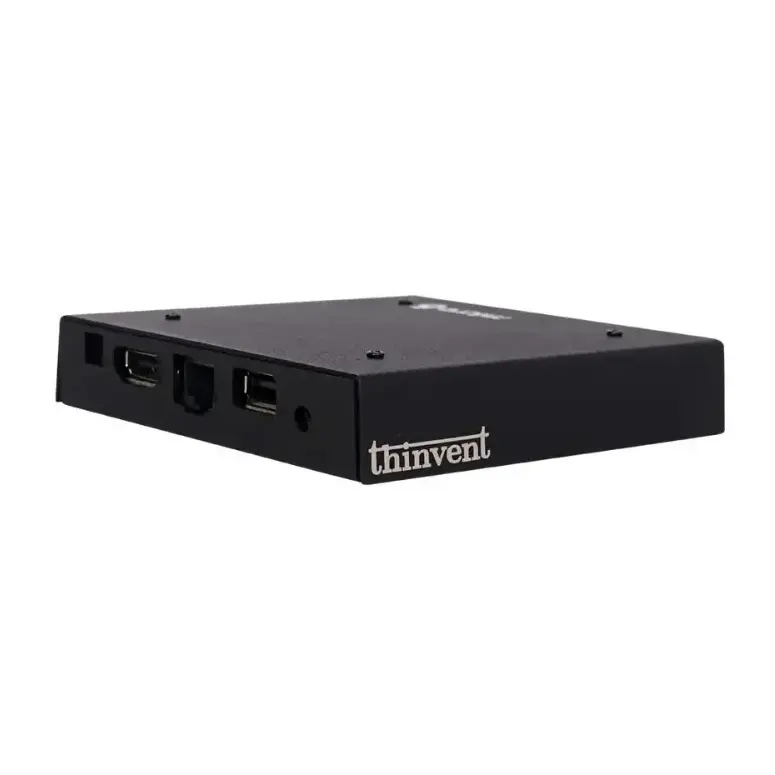
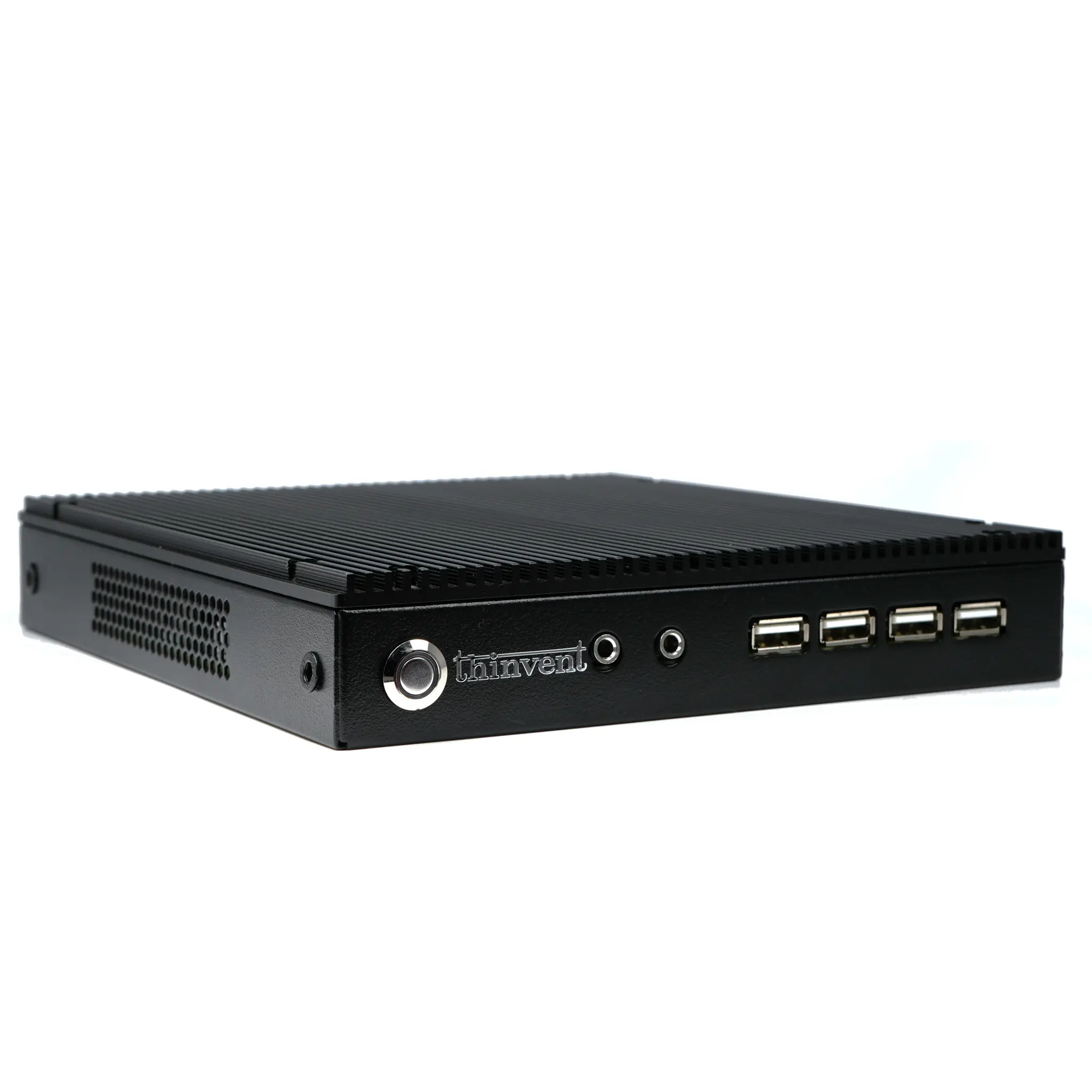
Thinvent offers a range of robust, fanless industrial computers equipped with the high-performance CPUs necessary for demanding 3D rendering environments. Our systems are built for 24/7 reliability in challenging conditions, making them perfect for integrated visualization suites, digital signage render farms, or on-site architectural presentation units. Key product lines feature the latest Intel Core processors (i3, i5, i7 series from 12th Gen and newer), support for high-capacity DDR4/DDR5 RAM, and multiple storage options to ensure your rendering workflow remains stable and uninterrupted. Explore our industrial PCs to find a durable, high-performance solution tailored for your creative or technical rendering needs.