What Makes a CPU Good for Local LLM Inference?
Running Large Language Models (LLMs) locally requires a balance of computational power, memory bandwidth, and thermal efficiency. Unlike cloud-based inference, local deployment places the entire computational load on your hardware. The best CPUs for this task are modern, multi-core processors with high single-threaded performance, large cache sizes, and support for fast system memory (DDR4/DDR5). Key factors include core count for parallel processing of model layers, high clock speeds (especially Turbo Boost) for rapid token generation, and sufficient cache to reduce latency when accessing model weights.
Key Specifications for Local LLM CPUs
For optimal local LLM performance, prioritize these specifications:
-
High Core & Thread Count: Modern LLMs benefit from multiple cores. Processors with 6, 10, 12, or more cores (and their corresponding threads) can handle model layers and context processing more efficiently.
-
High Turbo Frequency: Single-threaded performance, driven by high turbo clock speeds (4.0 GHz and above), is critical for the sequential parts of inference, directly impacting response speed.
-
Large Cache: A large L3 cache (e.g., 12MB, 18MB, or more) is vital. It acts as a fast-access pool for the model's parameters, drastically reducing the time spent fetching data from main memory.
-
Fast System Memory (RAM): Ample, high-speed RAM is non-negotiable. The model must be loaded entirely into RAM. For models with 7B to 13B parameters, 16GB is a practical minimum, with 32GB or more recommended for larger models or multitasking. DDR4-3200 or DDR5-4800+ is ideal.
-
Memory Bandwidth: Processors that support dual-channel memory configurations provide significantly higher bandwidth, which is a major bottleneck for LLM inference.
Recommended CPU Tiers for Local LLM
| Use Case / Model Size | Recommended CPU Series | Ideal Core Count | Minimum RAM | Key Features Needed |
|---|---|---|---|---|
| Entry-Level / 7B Parameter Models | Intel Core i3, Intel Core 5 120U | 6-10 Cores | 16 GB | High Turbo Frequency, 10MB+ Cache |
| Mainstream / 13B-20B Parameter Models | Intel Core i5, Intel Core 7 | 10-14 Cores | 32 GB | High Core Count, Large Cache (18MB+), DDR5 Support |
| Enthusiast / 30B+ Parameter Models | Intel Core i7, i9, Xeon W-Series | 14+ Cores (P-cores) | 64 GB+ | Maximum Core Count, Largest Cache, Highest Memory Bandwidth |
Note on ARM & Low-Power CPUs: While efficient for embedded tasks, ARM processors (like Cortex-A55) and ultra-low-power Intel N-series CPUs (e.g., N100) lack the raw computational power, cache size, and memory bandwidth required for performant local LLM inference and are not recommended for this specific use case.
Thinvent Industrial PCs for Demanding AI Workloads
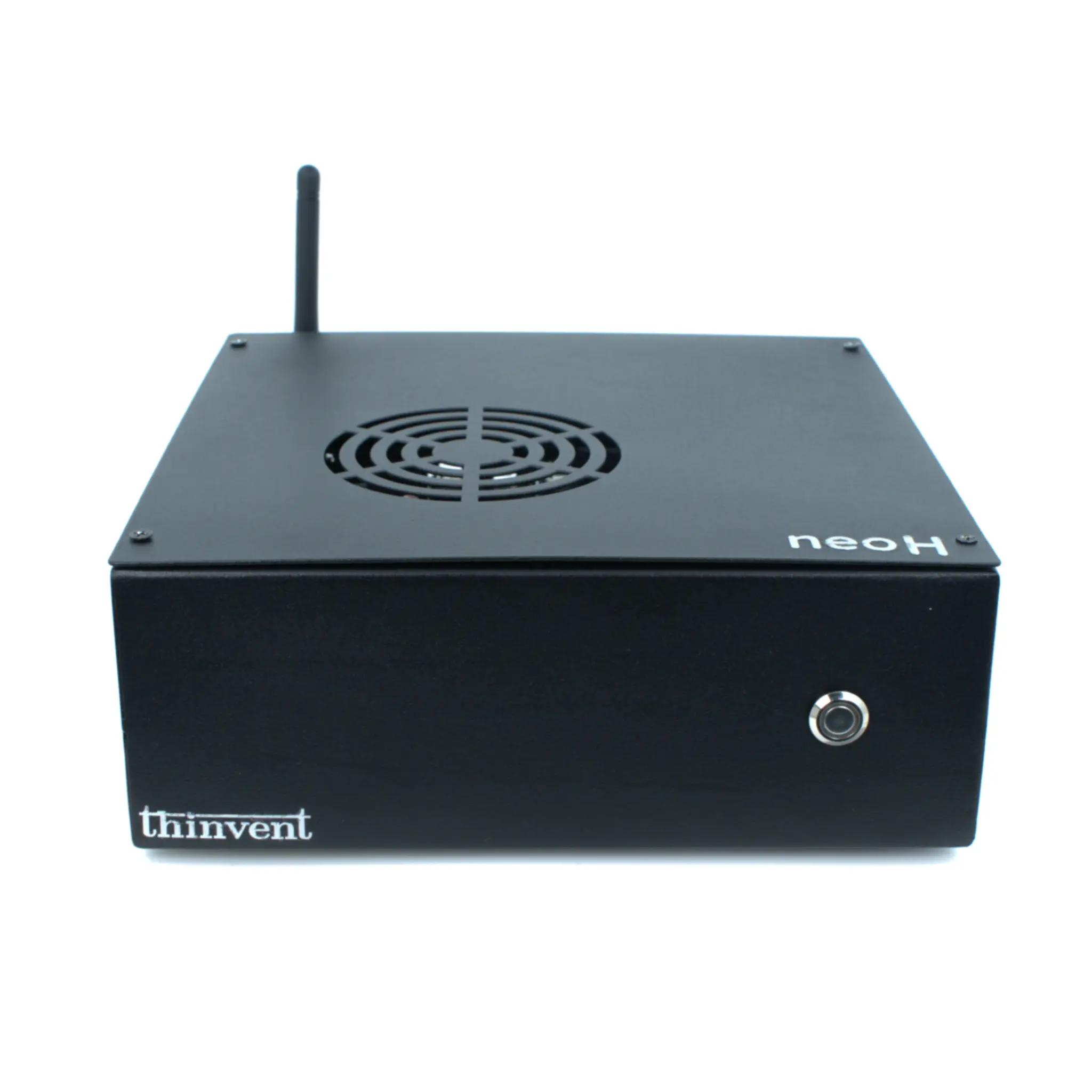
Thinvent's range of industrial-grade computers is engineered for reliability and sustained performance, making them excellent platforms for local AI and LLM development. For local LLM inference, we recommend focusing on our systems built with high-performance Intel Core processors.
Our Industrial PC (IPC) series and high-performance Aero Mini PCs feature the necessary foundation:
-
Powerful Processors: Options include Intel Core i3-1215U (6 cores), Core i5-1240P (12 cores), and the latest Core 5 120U (10 cores) from the 14th Generation, offering high turbo frequencies and substantial cache.
-
Ample, Configurable Memory: Support for up to 64GB of DDR4 RAM, ensuring smooth operation of larger models.
-
Fast Storage: NVMe SSD options reduce model load times and improve overall system responsiveness.
-
Robust Thermal Design: Industrial chassis with efficient cooling solutions maintain optimal CPU clock speeds during prolonged inference sessions, preventing thermal throttling.
These durable, fanless or actively cooled systems provide a stable and powerful environment for developers and researchers to run, fine-tune, and experiment with local LLMs outside of the cloud.