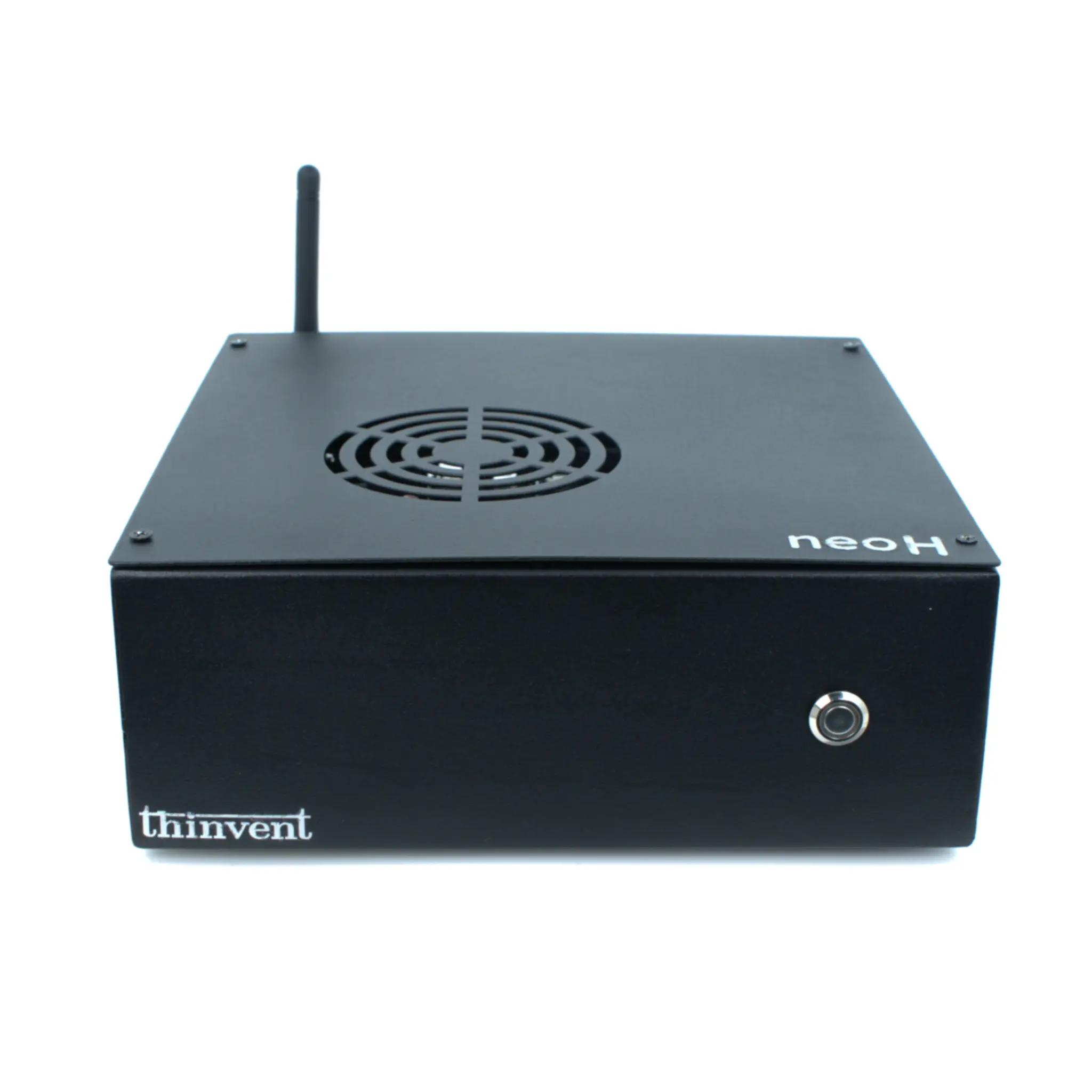
What Are Compact Industrial Computers?
Compact industrial computers, often referred to as C P Computers or industrial mini PCs, are specialized computing devices engineered for reliability in demanding environments. Unlike standard desktop PCs, they are built with fanless cooling systems, ruggedized casings, and wide-range power inputs to withstand dust, vibration, extreme temperatures, and continuous operation. These systems prioritize stability, longevity, and connectivity over raw consumer-grade performance, making them ideal for embedded and industrial automation tasks.
Key Specifications and Technical Details
A typical compact industrial PC features a low-power, high-efficiency processor (like Intel's N-series), passive cooling, and industrial-grade components. Common specifications include:
-
Processor: Intel Celeron or Intel Processor N-series (e.g., N100, N95) with 4-6 cores.
-
Memory: 8GB to 16GB of soldered or SODIMM DDR4 RAM for stability.
-
Storage: 128GB to 512GB M.2 SATA or NVMe SSDs for fast, reliable data access.
-
Connectivity: Multiple Gigabit Ethernet ports, USB 3.2, HDMI/DisplayPort outputs, and optional serial (COM) ports.
-
Power: 12V/24V DC wide-range input for integration with industrial power systems.
-
Operating System: Support for Windows IoT, Linux distributions (Ubuntu, Thinux™), or headless operation.
Primary Use Cases and Applications
These computers are deployed where standard PCs would fail. Key applications include:
-
Digital Signage & Kiosks: Powering interactive displays in retail, transportation, and public venues.
-
Factory Automation: Acting as a controller for PLCs, HMIs, and machine vision systems on the shop floor.
-
Thin Clients & VDI: Providing secure, centralized desktop access in offices, healthcare, and education.
-
Edge Computing & IoT Gateways: Collecting, processing, and transmitting data from sensors in smart cities, agriculture, and energy.
-
Transportation & In-Vehicle Computing: Used in fleet management, railway systems, and marine navigation due to vibration resistance.
Comparison: Industrial Mini PC vs. Standard Desktop
| Feature | Industrial Mini PC | Standard Desktop PC |
|---|---|---|
| Form Factor | Ultra-compact, wall/DIN-rail mountable | Tower or mid-tower case |
| Cooling | Fanless, passive heat dissipation | Active fans (can clog with dust) |
| Operating Temp | Wide range (e.g., -20°C to 70°C) | Narrow range (typically 5°C to 35°C) |
| Power Input | 9-36V DC (wide range) | Standard 110V/220V AC |
| Durability | Resists shock, vibration, dust | Not designed for harsh conditions |
| Lifespan | 5-7+ years (long-term availability) | 3-5 years (consumer cycle) |
| I/O Ports | Industrial (GPIO, COM) & standard USB/HDMI | Standard consumer ports only |
Thinvent Compact Industrial Computing Solutions
Thinvent offers a robust range of compact industrial computers designed for 24/7 operation. Our Aero series Mini PCs, for example, leverage efficient Intel processors like the N100 in a completely fanless chassis. They come pre-configured with your choice of operating system—Windows 11 IoT/Pro, Ubuntu Linux, or our lightweight Thinux™ Embedded Linux—and are built to deliver reliable performance in space-constrained, harsh environments. From digital signage and kiosks to factory automation and edge computing nodes, Thinvent's solutions provide the durability and connectivity required for professional and industrial deployments worldwide.