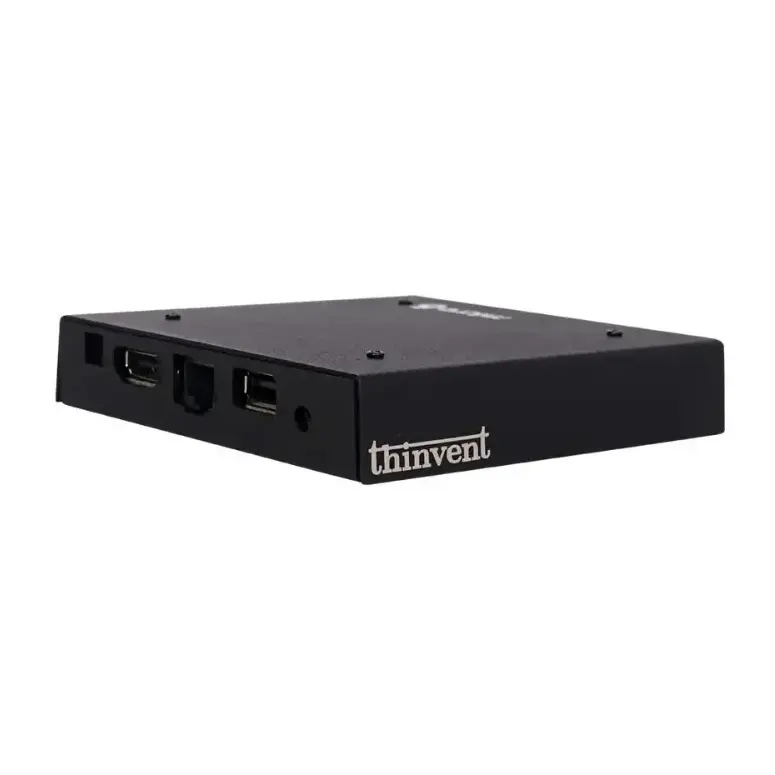
Client-server hardware refers to the physical computing systems that form the backbone of a client-server network architecture. In this model, a central, more powerful server provides resources, data, or services to multiple client devices (like workstations, thin clients, or kiosks) over a network. The hardware for both roles is specialized: server hardware prioritizes reliability, high uptime, robust connectivity, and processing power for multiple concurrent requests, while client hardware is optimized for cost-effectiveness, energy efficiency, and consistent network access.
Key Specifications and Technical Details
For server hardware, key specifications include multi-core processors (Intel Core i5/i7 or Xeon), ample RAM (16GB to 64GB+), high-capacity and reliable SSD storage (256GB to 1TB+), and multiple Gigabit Ethernet ports for network load balancing and redundancy. For client hardware, such as thin clients or mini PCs, efficient processors (Intel Celeron, N-series, or ARM), sufficient RAM (4GB to 16GB), and compact, fanless designs for silent operation are common. Both require robust operating systems, with servers often running Windows Server or Linux distributions, and clients running Windows IoT, Linux, or specialized thin client OS.
Use Cases and Applications
This hardware is fundamental across industries. In enterprise IT, it powers file servers, print servers, and domain controllers. In retail and hospitality, client-server systems manage Point-of-Sale (POS) terminals and inventory databases. For digital signage and kiosks, a central server streams content to multiple display clients. In industrial automation, it facilitates data collection from shop floor clients (HMI panels) to a central monitoring server. The architecture ensures centralized management, security, and data integrity.
Comparison: Server vs. Client Hardware
| Feature | Server Hardware | Client Hardware |
|---|---|---|
| Primary Role | Provide services, data, and resources. | Request and utilize services from the server. |
| Processing Power | High (Multi-core, high clock speed). | Moderate to Efficient (Balances performance and power). |
| Memory (RAM) | High Capacity (16GB+). | Standard Capacity (4GB-16GB). |
| Storage | High Capacity, often with RAID for redundancy. | Sufficient for OS and local cache (128GB-512GB). |
| Form Factor | Rackmount, Tower, or Industrial. | Mini PC, Thin Client, All-in-One. |
| Connectivity | Multiple Ethernet ports, remote management. | Standard Ethernet, USB, display outputs. |
| Operating System | Windows Server, Linux Server, Hypervisors. | Windows 10/11 Pro/IoT, Linux, Thin Client OS. |
Thinvent Client-Server Solutions
Thinvent offers a comprehensive range of industrial-grade hardware perfectly suited for both client and server roles in demanding environments. Our product lines include robust Industrial PCs and compact Mini PCs that can serve as reliable, fanless servers for edge computing, data logging, or lightweight application hosting. For the client side, our Thin Clients and All-in-One PCs provide durable, low-maintenance endpoints. Featuring Intel processors, configurable memory and storage, and support for various operating systems including Windows 11 IoT, Ubuntu Linux, and our own Thinux™ Embedded Linux, Thinvent systems are built for 24/7 reliability in commercial and industrial settings.