What Are Cloud Computing Mini PCs?
A "Cloud Geek" typically refers to an enthusiast or professional who leverages cloud-based services, remote management, and virtualized environments. For this user, the ideal computing hardware is a compact, energy-efficient, and reliable device that serves as a secure, always-on endpoint for accessing cloud resources. These are not high-powered workstations but optimized nodes designed for connectivity, low power draw, and silent operation, making them perfect for home labs, edge computing, and lightweight server applications.
Key Specifications for Cloud-Centric Mini PCs
The core requirements for a cloud-focused mini PC center on efficient processing, adequate memory for virtualization, and robust connectivity. A modern Intel processor like the N100, with its 4 cores and efficient 6MB cache, provides ample power for containerized applications, network services, or as a thin client. Memory is critical; 16GB of RAM is a solid starting point for running multiple lightweight virtual machines or Docker containers. Storage, often an SSD starting at 128GB, is sufficient for the host OS and application data, with bulk storage offloaded to the cloud or a NAS. The absence of moving parts due to fanless cooling ensures 24/7 reliability in diverse environments.
Ideal Use Cases and Applications
These compact PCs excel in scenarios where a small, unobtrusive, and reliable computer is needed to interface with cloud infrastructure. Common applications include:
-
Home Lab & Development: Hosting personal web servers, database instances, CI/CD pipelines, or Kubernetes clusters for learning and development.
-
Edge Computing Node: Processing data locally before syncing to the cloud in IoT setups, digital signage, or smart home hubs.
-
Dedicated Thin Client: Providing a secure, managed endpoint for accessing virtual desktop infrastructure (VDI) or cloud-based software.
-
Lightweight Network Appliance: Functioning as a firewall, router, or network monitoring device using software like pfSense or Zabbix.
Operating System Flexibility
A significant advantage of these systems is their operating system agnosticism, which is crucial for cloud and DevOps workflows. Users can choose from:
-
Microsoft Windows 11 Pro/IoT: For a familiar environment compatible with various remote management tools and cloud clients.
-
Ubuntu Linux / Thinux™ Embedded Linux: Preferred for development, server applications, and maximum compatibility with open-source cloud orchestration tools (Docker, Ansible, Terraform).
-
FreeDOS/No OS: For users who wish to install a custom or headless Linux distribution tailored specifically to their cloud project.
Thinvent's Cloud-Optimized Mini PCs
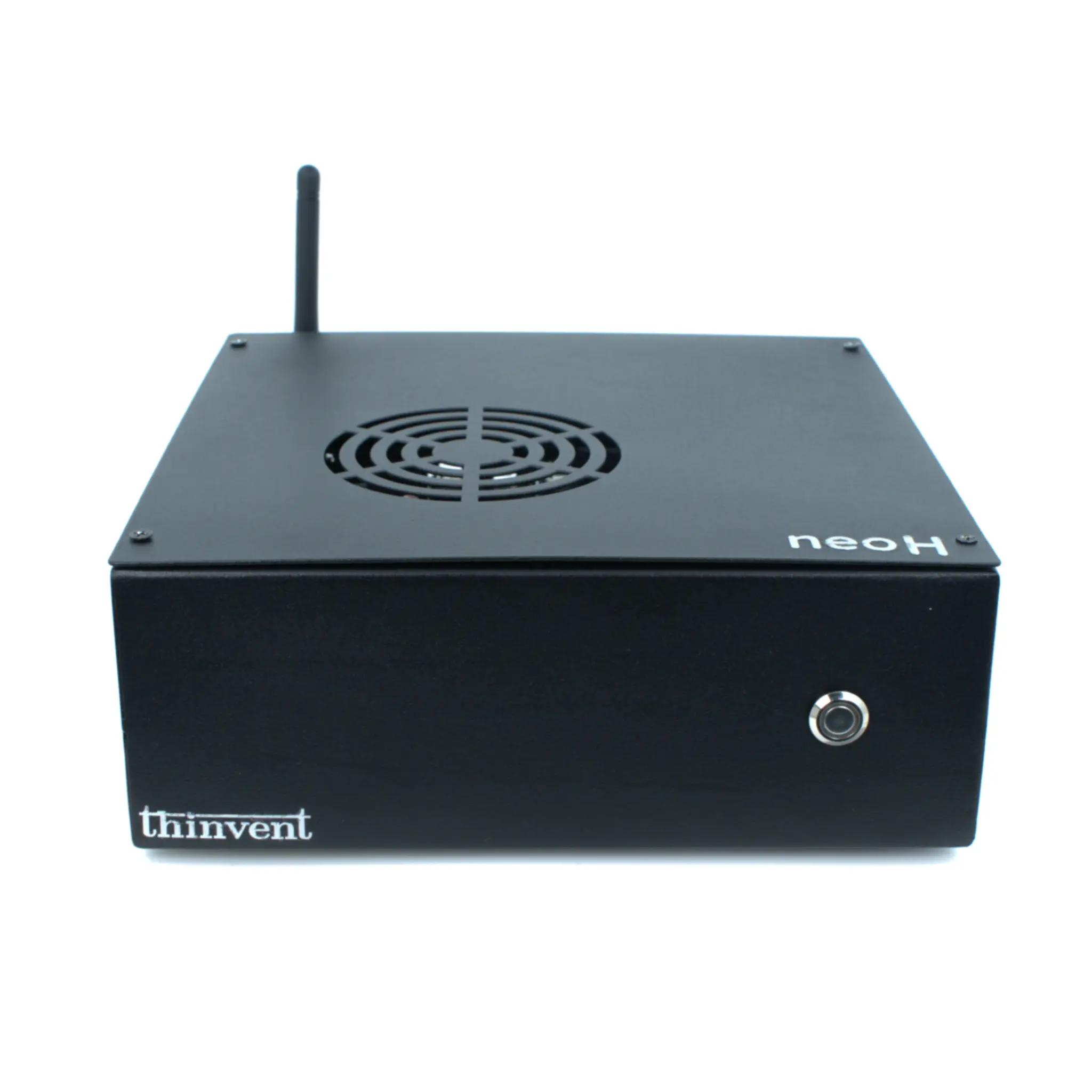
Thinvent's product range includes industrial-grade mini PCs perfectly suited for cloud enthusiasts and professionals. Our Aero series, for example, features the efficient Intel N100 processor in a robust, fanless chassis. These systems come pre-configured with your choice of operating system—Windows, Ubuntu, or our own Thinux™—and are built for durability in always-on scenarios. With standard 16GB RAM and SSD storage, they provide an excellent balance of performance and efficiency for hosting services, connecting to cloud platforms, or acting as a reliable node in a distributed computing environment. Explore our selection to find the ideal hardware foundation for your cloud projects.