What is a CMS/CRIS Management System?
A CMS (Content Management System) or CRIS (Current Research Information System) Management System is a software platform used to organize, manage, and publish digital content and research information. These systems are critical for universities, research institutions, libraries, and corporate knowledge bases. They require reliable, always-on computing hardware to host databases, web servers, and application interfaces, ensuring seamless access and data integrity for multiple users.
Technical Requirements for CMS/CRIS Systems
The ideal industrial computer for a CMS/CRIS platform must balance processing power, memory, storage, and connectivity with operational stability. Key specifications include a modern multi-core processor (like Intel's N-series) for handling concurrent database queries, sufficient RAM (16GB or more) for smooth operation of the server software and caching, and fast SSD storage (256GB+) for quick data retrieval and system responsiveness. Reliable Gigabit Ethernet is essential for network connectivity, while fanless, rugged designs ensure 24/7 operation in server rooms or office environments without maintenance concerns.
Applications and Use Cases
These systems are deployed in diverse environments:
-
Academic & Research Institutions: Hosting institutional repositories, publication databases, and researcher profiles.
-
Corporate Knowledge Bases: Managing internal documentation, training materials, and project archives.
-
Digital Libraries & Archives: Serving as the backend for cataloging and providing access to digital collections.
-
Government Portals: Powering public information websites and document management systems.
The hardware must be capable of running software like DSpace, EPrints, WordPress, Drupal, or custom .NET/Java applications, often within a virtualized or containerized environment.
Recommended System Configuration
For most small to medium-sized CMS/CRIS deployments, a compact industrial PC offers the perfect blend of performance and footprint.
| Component | Recommended Specification | Purpose |
|---|---|---|
| Processor | Intel N100 (4 cores) or higher | Efficiently handles web server, database, and application processes. |
| Memory (RAM) | 16 GB DDR4 | Provides ample headroom for the OS, database caching, and multiple services. |
| Storage | 256 GB SSD or larger | Ensures fast system boot, application load times, and database I/O operations. |
| Connectivity | Gigabit Ethernet (1000) | Mandatory for reliable network communication and data transfer. |
| Form Factor | Mini PC / Industrial PC | Saves space in server racks or closets; allows for versatile mounting. |
| Operating System | Windows 11 Pro / Linux (Ubuntu) | Compatible with most CMS/CRIS software stacks and offers robust security. |
Thinvent Solutions for CMS/CRIS Infrastructure
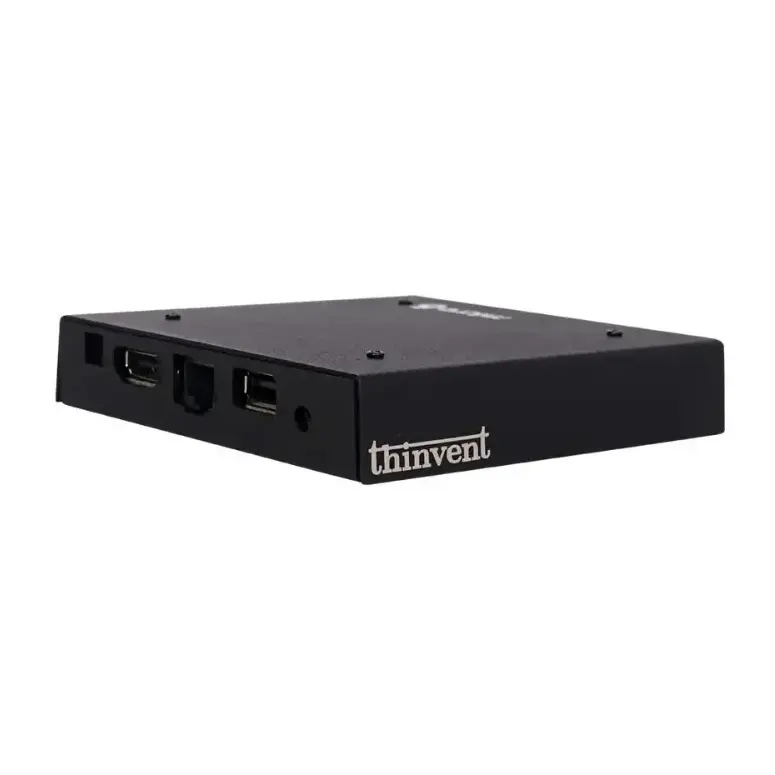
Thinvent manufactures a range of industrial-grade computers ideally suited for hosting and managing CMS/CRIS platforms. Our fanless Mini PCs, like the Aero series, are built for continuous operation with low power consumption and zero noise. They feature the latest Intel processors, configurable high-speed memory and storage, and multiple connectivity options. Their rugged, compact design makes them perfect for deployment in space-constrained server environments, ensuring your critical information system remains online and performant. We offer units pre-configured with Windows or various Linux distributions to match your software requirements.