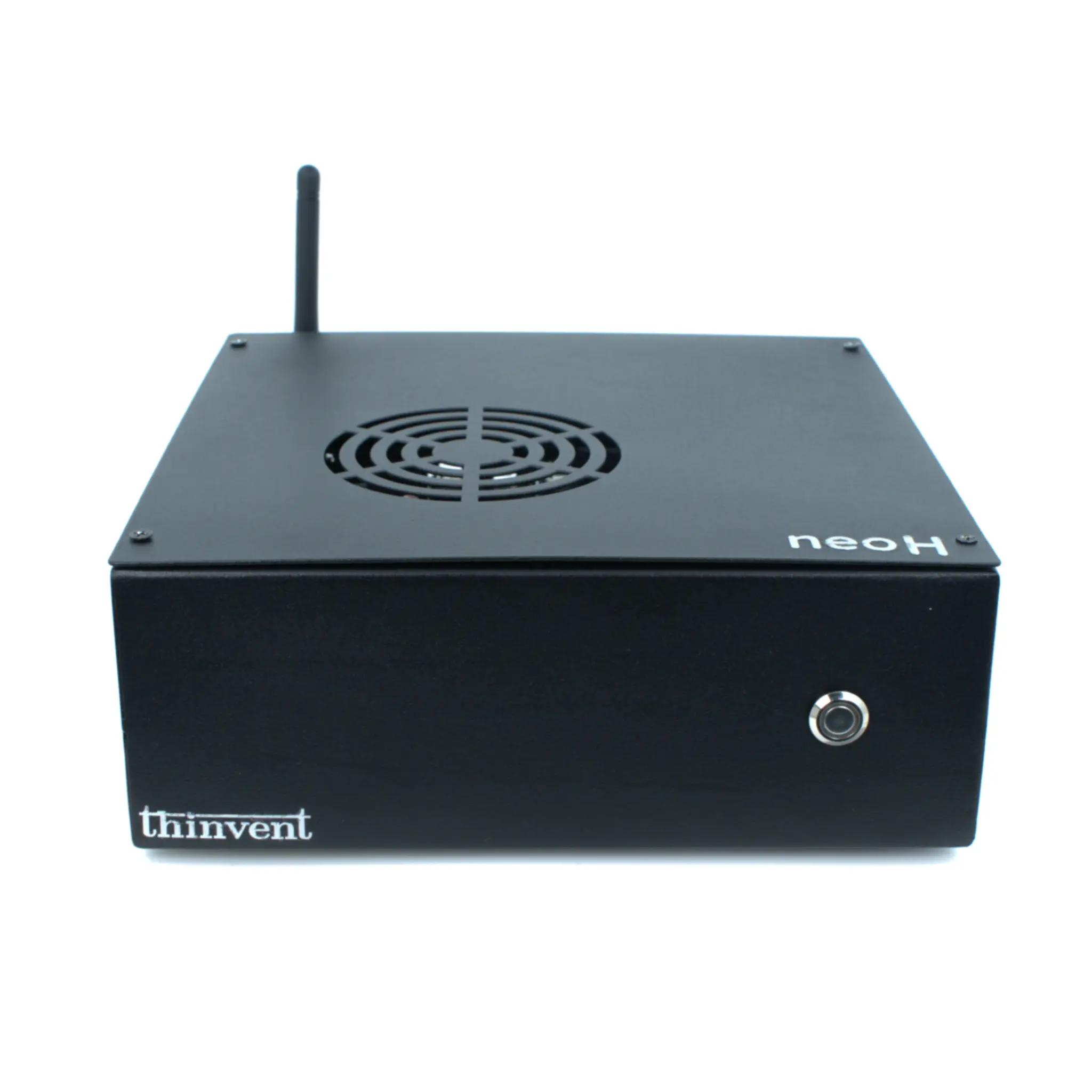
What Are Industrial Computers?
Industrial computers are specialized computing systems designed to operate reliably in demanding environments where standard commercial PCs would fail. They are built with robust components, fanless cooling systems, and durable enclosures to withstand extreme temperatures, dust, moisture, vibration, and continuous 24/7 operation. Unlike consumer-grade computers, they prioritize long-term stability, extended product lifecycles, and specific industrial certifications over raw consumer performance metrics.
Key Specifications and Technical Details
The core of an industrial computer is its ruggedized design. Common features include wide operating temperature ranges (often from -20°C to 60°C or beyond), fanless architectures that eliminate moving parts prone to failure, and solid-state storage for shock resistance. They utilize industrial-grade motherboards with extended component lifespans and support for legacy I/O ports alongside modern interfaces. Power supplies are designed for stable operation with wide voltage input ranges to handle power fluctuations common in industrial settings.
Use Cases and Applications
Industrial computers are deployed across numerous sectors. In manufacturing, they serve as machine controllers, HMIs (Human-Machine Interfaces), and for production line monitoring. In transportation, they power digital signage, ticketing systems, and in-vehicle infotainment. They are essential in retail for POS (Point of Sale) and kiosks, in healthcare for medical imaging and diagnostic equipment, and in energy for grid monitoring and control systems in remote locations. Their reliability makes them ideal for any application requiring unattended operation in non-climate-controlled spaces.
Choosing the Right Industrial Computer
Selecting an industrial computer depends on the environmental challenges and performance requirements of your application. Key factors to consider include the processor performance needed for the task, the required amount of RAM and storage, necessary connectivity (Ethernet, serial ports, USB), and the form factor (panel PC, box PC, rackmount, or fanless mini PC). The operating system is also crucial, with choices ranging from Windows IoT/Pro for software compatibility to Linux distributions like Ubuntu for open-source flexibility and stability.
| Consideration | Standard Commercial PC | Industrial Computer |
|---|---|---|
| Operating Environment | Office/Home (5°C to 35°C) | Harsh (-20°C to 60°C+) |
| Durability | Standard components | Vibration/shock resistant |
| Lifespan & Support | 2-3 years | 5-10+ years lifecycle |
| Reliability | For intermittent use | Designed for 24/7 operation |
| Typical Use Case | General computing, gaming | Factory automation, outdoor kiosks |
Thinvent's Range of Industrial Computing Solutions
Thinvent specializes in manufacturing a comprehensive portfolio of industrial-grade computing hardware designed for global deployment. Our product lines include robust Industrial PCs for heavy-duty control applications, compact and versatile Mini PCs ideal for space-constrained environments, efficient Thin Clients for virtualized desktop infrastructures, and integrated All-in-One displays for interactive kiosks and HMIs. Featuring the latest Intel processors, fanless cooling for silent and reliable operation, and support for multiple operating systems, Thinvent computers are engineered to deliver uncompromising performance and durability where it matters most.