What Are High-Configuration Computers?
High-configuration computers are systems engineered for demanding workloads, characterized by powerful multi-core processors, ample RAM, fast solid-state storage, and robust connectivity. Unlike standard office PCs, these machines are built to handle intensive tasks such as 3D design, data analysis, virtualization, and industrial automation without performance bottlenecks. Key specifications that define a high-configuration system include the latest generation of processors (e.g., Intel Core i5/i7), a minimum of 16GB RAM, high-speed NVMe SSDs, and multiple high-bandwidth ports for peripherals and displays.
Key Specifications for High-Performance Systems
When evaluating a high-configuration computer, focus on these critical components:
-
Processor: Modern Intel Core i5, i7, or i9 series processors (12th Gen and newer) with high core counts (10+ cores) and turbo frequencies exceeding 4.0 GHz are ideal for multitasking and compute-heavy applications.
-
Memory (RAM): 16GB is the modern baseline for professional work; 32GB or 64GB is recommended for engineering software, virtual machines, and large datasets.
-
Storage: NVMe PCIe SSDs with 512GB or 1TB capacity provide the fast read/write speeds necessary for loading large applications and files instantly.
-
Connectivity: Multiple Gigabit Ethernet ports, USB 3.2 Gen 2, and USB-C with DisplayPort support are essential for connecting high-speed storage, multiple monitors, and industrial peripherals.
-
Reliability: Features like fanless cooling for silent, dust-proof operation in harsh environments, wide voltage input, and industrial-grade components ensure 24/7 uptime.
Ideal Use Cases and Applications
High-configuration computers are indispensable in professional and industrial settings:
-
Digital Signage & Kiosks: Powering multiple 4K displays with dynamic content.
-
Industrial Automation: Acting as a controller for PLCs, vision systems, and robotic arms.
-
CAD/CAM & Engineering Workstations: Running software like AutoCAD, SolidWorks, and simulation tools.
-
Network Appliances: Serving as firewalls, routers, or network-attached storage (NAS) servers.
-
Thin Client Hosting & Virtualization: Hosting multiple virtual desktop sessions for a centralized computing environment.
Comparison of Performance Tiers
| Use Case | Recommended Processor | Minimum RAM | Recommended Storage | Ideal Form Factor |
|---|---|---|---|---|
| Basic Office / Digital Signage | Intel N100, Celeron | 8 GB | 256 GB SSD | Mini PC, Thin Client |
| Advanced Multitasking / CAD Lite | Intel Core i3/i5 (12th/13th Gen) | 16 GB | 512 GB NVMe SSD | Mini PC, All-in-One |
| Heavy Engineering / Virtualization | Intel Core i5/i7 (14th Gen) | 32 GB+ | 1 TB NVMe SSD | Industrial PC |
Thinvent's High-Configuration Computing Solutions
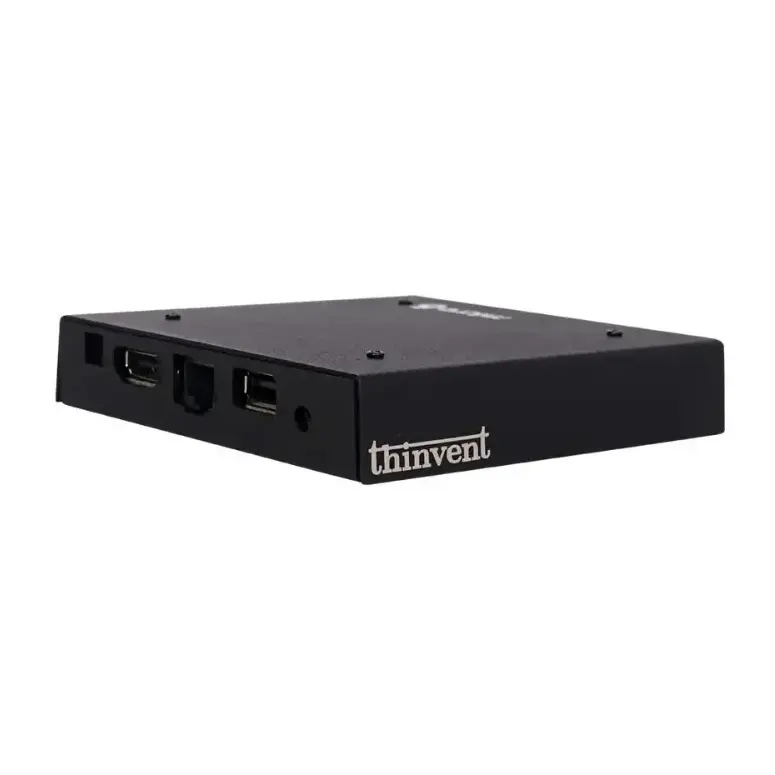
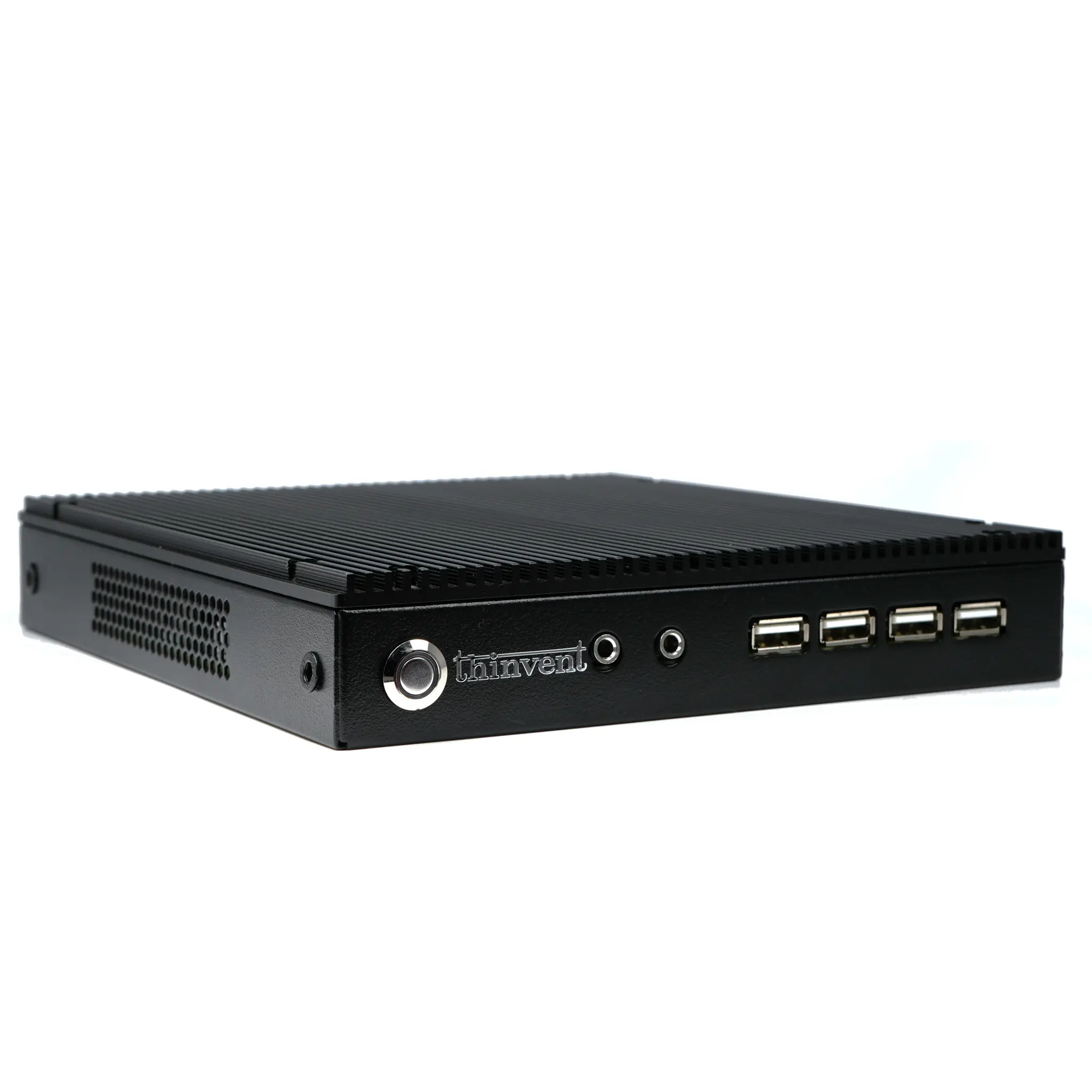
Thinvent offers a comprehensive range of robust, high-performance computing solutions designed for reliability in commercial and industrial environments. Our product lines include powerful Industrial PCs built with the latest Intel Core processors, ample DDR4 RAM, and high-speed SSDs, engineered for 24/7 operation with fanless cooling. For space-constrained deployments, our High-Performance Mini PCs pack similar power into a compact footprint, perfect for digital signage or workstation use. We also provide All-in-One PCs with integrated high-resolution displays, creating streamlined solutions for control rooms and kiosks. Every Thinvent system is built with industrial-grade components, tested for durability, and can be configured with professional operating systems like Windows 11 Pro or Ubuntu Linux to match your specific application needs.