Understanding Industrial Computer Parts & Components
Industrial computers are specialized systems built for reliability, longevity, and operation in demanding environments. Unlike consumer-grade PCs, their parts and components are selected for extended temperature ranges, shock/vibration resistance, and long-term availability. This guide covers the key components that define an industrial system's capabilities and suitability for specific applications.
Core Components and Their Specifications
The primary components that dictate performance and application fit are the processor, memory, storage, and form factor.
-
Processor (CPU): The computational engine. Industrial PCs use processors from Intel (Core i3/i5, N-series, Celeron) and ARM architectures. Key specs include core count (4, 6, 10, 12), clock speed (GHz), and thermal design power (TDP). Intel Core series offer high performance for complex tasks, while ARM and Intel N-series are ideal for low-power, fanless designs.
-
Memory (RAM): Critical for multitasking and application performance. Industrial systems typically feature 4GB to 64GB of RAM. Soldered or onboard memory is common in compact, fanless units for enhanced durability.
-
Storage: Includes SSDs (128GB to 1TB+) for speed and reliability, and eMMC storage (16GB to 64GB) for cost-effective, embedded solutions in lightweight computing tasks.
-
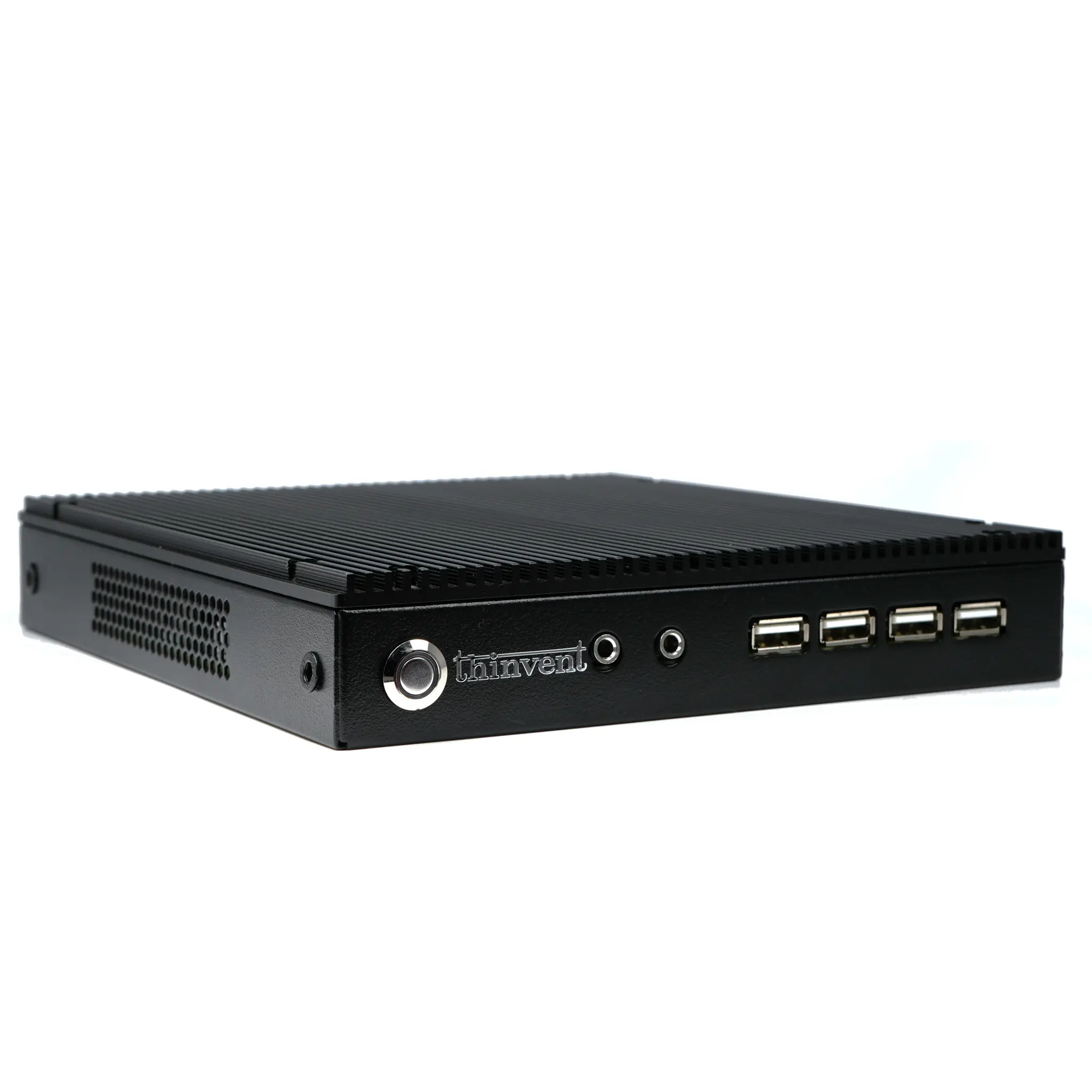
Form Factor & Connectivity: This defines the physical deployment. Options include Panel PCs, Box PCs, Rackmount, and DIN-rail mounted systems. Essential connectivity includes Gigabit Ethernet, multiple USB ports (including USB 3.2 Gen 2 and Type-C), and display outputs like HDMI.
Applications and Use Cases
Selecting the right components is directly tied to the operational environment and software requirements.
-
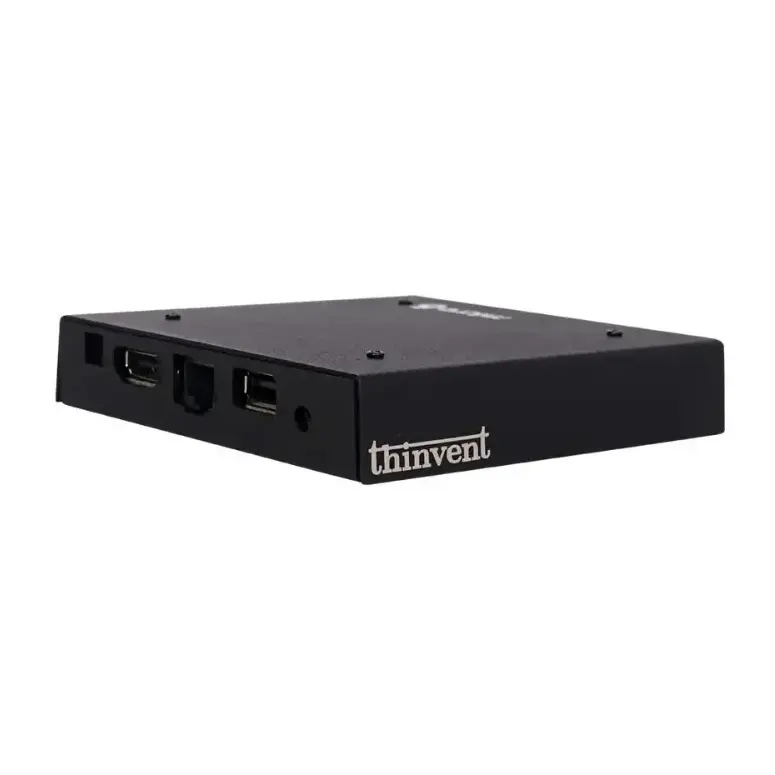
Lightweight & Embedded: For digital signage, kiosks, or thin clients, ARM-based systems or Intel N-series processors with 4-8GB RAM and eMMC storage are efficient and fanless.
-
General Industrial Automation: Machine control, HMI, and PLC supervision often require Intel Core i3 or i5 processors (10th-14th Gen), 8-16GB RAM, and SSD storage for responsive operation.
-
Demanding Edge Computing: For AI inference, vision systems, or data aggregation, high-core-count processors (e.g., Intel Core i5 12th/14th Gen), 16-32GB+ RAM, and high-speed NVMe storage are essential.
Comparison of Common Industrial Processor Platforms
| Platform | Typical Cores | Use Case | Power Profile | Example Models |
|---|---|---|---|---|
| Intel Core i5/i3 | 6-12+ | High-performance workstations, automation, edge computing | Higher (Active Cooling) | i5-1240P, i3-1215U, i5-120U |
| Intel Processor N-series | 4 | Fanless systems, kiosks, lightweight computing | Very Low (Fanless) | Intel N100 |
| ARM Cortex | 4 | Thin clients, embedded IoT, digital signage | Ultra-Low (Fanless) | Cortex A55, A53 |
Thinvent Industrial Computing Solutions
Thinvent manufactures a comprehensive range of industrial computers that incorporate these critical components, engineered for reliability across diverse sectors. Our portfolio includes robust Industrial PCs (IPCs) with Intel Core processors for demanding factory floor applications, compact and fanless Mini PCs powered by Intel N-series chips for space-constrained environments, and efficient Thin Clients with ARM processors for secure, centralized computing. Each system is built with industrial-grade parts, offering extended lifecycle support and designed to operate reliably in challenging conditions, from manufacturing and logistics to retail and smart city infrastructure.