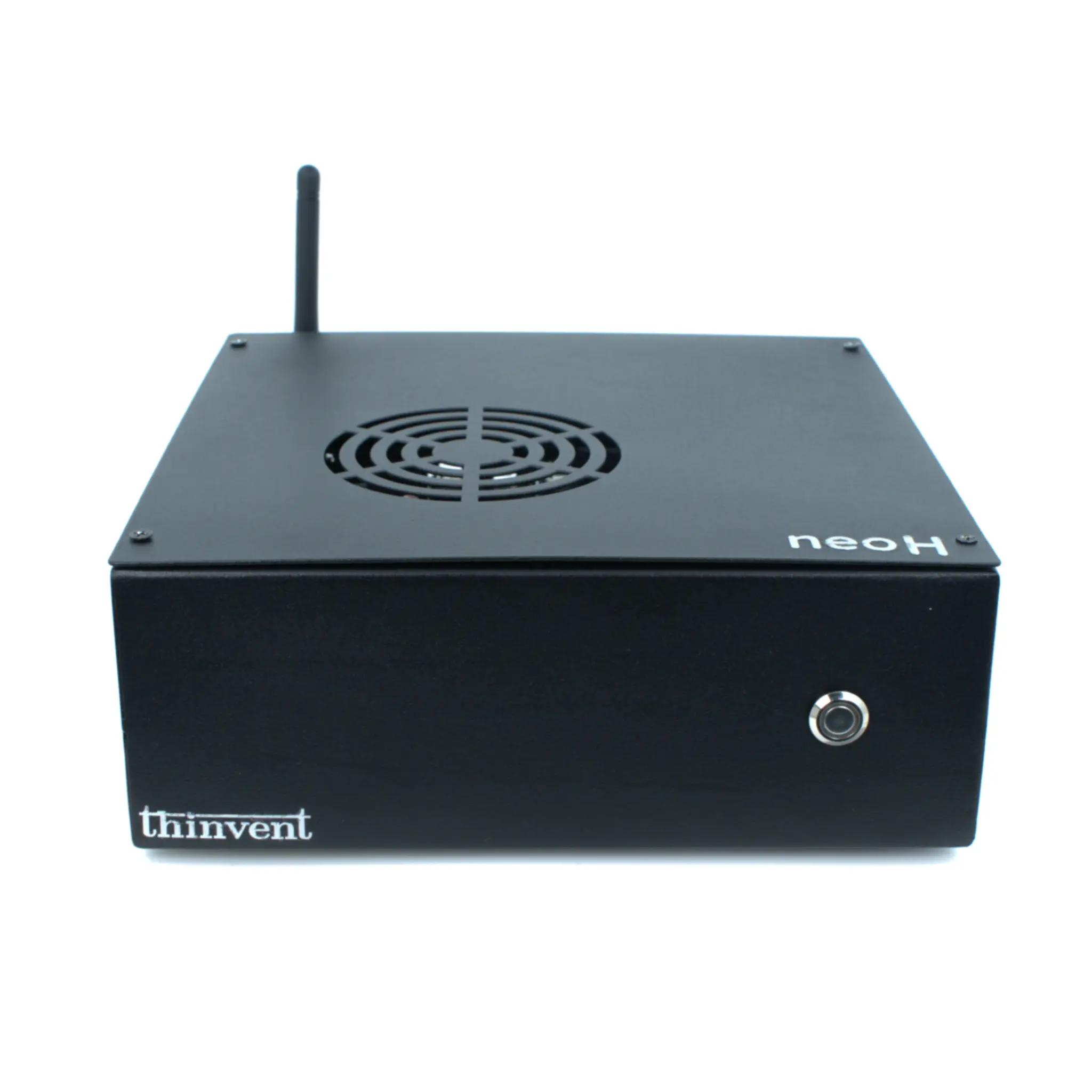
A CPU (Central Processing Unit) micro, often referred to as a microprocessor or micro CPU, is the compact, integrated brain of a computer system. In the context of industrial and embedded computing, these processors are engineered for efficiency, reliability, and operation in constrained environments. They are the core component that determines the performance, power consumption, and thermal profile of devices like thin clients, mini PCs, and industrial computers. Modern microprocessors come in two primary architectures: x86 (from Intel) and ARM, each offering distinct advantages for different workloads.
Key specifications for evaluating a micro CPU include core count, clock speed (frequency), cache size, and thermal design power (TDP). For example, ARM-based processors like the Cortex-A55 typically feature 4 cores, lower clock speeds (e.g., 1.9 GHz), and minimal power draw, making them ideal for lightweight, always-on applications. In contrast, Intel's modern microarchitectures, such as the efficient-core (E-core) designs in the N-series (e.g., N100) or the performance-core (P-core) designs in Core i-series processors (e.g., i5-1250P), offer a wider performance range. The Intel N100 provides 4 cores and a 6 MB cache, while a Core i5-1250P delivers 12 cores (4P + 8E) and a 12 MB cache for significantly higher computational throughput.
Use Cases and Applications
-
Digital Signage & Kiosks: ARM and low-power Intel N-series CPUs provide silent, fanless operation for 24/7 media playback.
-
Thin Clients: ARM processors are prevalent here, offering secure, cost-effective endpoints for virtual desktop infrastructure (VDI).
-
Light Industrial Automation: Intel N-series and Core i3 processors handle machine monitoring, data logging, and basic HMI (Human-Machine Interface) tasks.
-
Edge Computing Gateways: More powerful microprocessors like Intel Core i5 with higher core counts process and analyze data from sensors and IoT devices at the network edge.
-
Compact Workstations: Mini PCs equipped with processors like the Intel Core 5 120U provide desktop-level performance for office productivity and software development in space-constrained settings.
Processor Comparison at a Glance | Processor Model | Architecture | Cores/Threads | Max Frequency | Cache | Typical Use Case | | :--- | :--- | :--- | :--- | :--- | :--- | | ARM Cortex-A55 | ARM | 4 Cores | 1.9 GHz | 1 MB | Basic thin clients, digital signage | | Intel Processor N100 | x86 (Intel) | 4C/4T | 3.4 GHz | 6 MB | Entry-level mini PCs, light industrial PCs | | Intel Core i3-1215U | x86 (Intel) | 6C/8T | 4.4 GHz | 10 MB | General-purpose mini PCs, office workstations | | Intel Core i5-1250P | x86 (Intel) | 12C/16T | 4.4 GHz | 12 MB | High-performance industrial PCs, edge servers |
Thinvent Products Featuring Advanced Micro Processors
Thinvent's product portfolio leverages a wide spectrum of microprocessors to deliver tailored computing solutions. For ultra-low-power and cost-sensitive deployments, the Thinvent Micro series utilizes efficient ARM Cortex processors. The Thinvent Treo and IPC1 series integrate the Intel N100 processor, balancing performance and energy efficiency for mainstream compact computing. For demanding industrial and commercial applications, the Thinvent Aero and IPC series are equipped with powerful Intel Core i3, i5, and the latest Core Ultra processors, offering superior multi-core performance for complex tasks. This range ensures that whether your priority is minimal power consumption, silent operation, or raw processing power, Thinvent has a reliable, fanless or actively cooled solution built around a capable micro CPU.