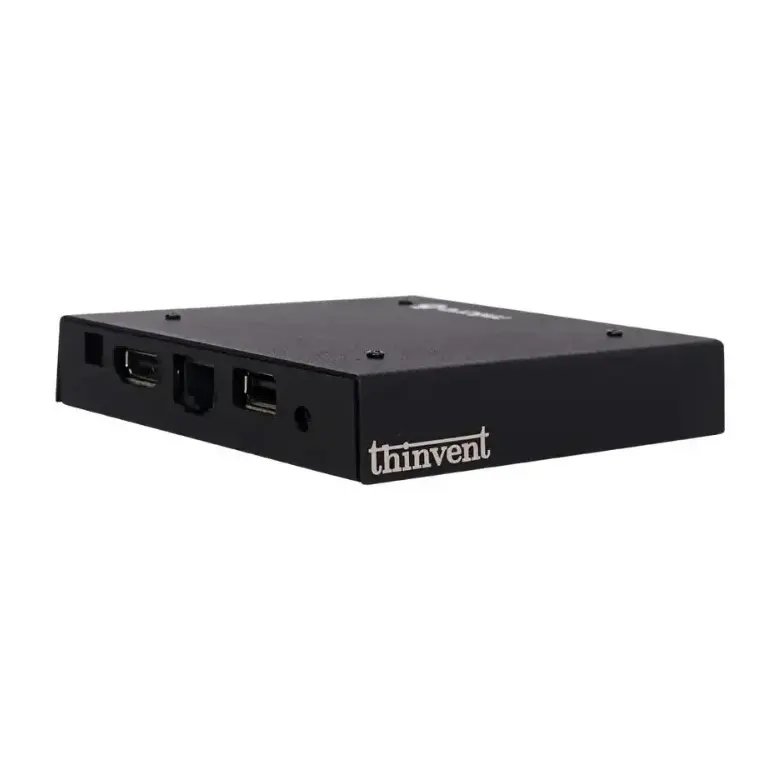
Shopping for a CPU online means selecting the heart of your computing system. The processor, or CPU, is the primary component that determines a computer's performance, efficiency, and suitability for specific tasks. For industrial and embedded applications, the choice extends beyond raw speed to include factors like thermal design, power consumption, reliability, and long-term availability. This guide will help you understand the key specifications and use cases to consider when selecting a CPU for your next project.
Key CPU Specifications to Consider
When evaluating CPUs, several technical specifications are critical:
-
Processor Brand & Architecture: The two primary architectures are Intel x86 and ARM. Intel processors (like Core i-series and N-series) offer high performance and broad software compatibility for demanding applications. ARM-based processors (like Cortex-A series) are highly power-efficient, often fanless, and ideal for lightweight, always-on tasks.
-
Cores & Threads: Core count directly impacts multitasking and parallel processing. A 4-core CPU (like the Intel N100) is sufficient for basic computing and digital signage, while a 12-core CPU (like the i5-1250P) is built for intensive workloads like CAD, data analysis, or virtualization.
-
Clock Speed & Cache: Measured in GHz, clock speed indicates how fast a core can process instructions. Boost frequencies (e.g., up to 5.0 GHz) are crucial for single-threaded performance. Cache memory (L2/L3) is ultra-fast memory on the CPU die that significantly reduces latency.
-
Thermal Design Power (TDP): This indicates heat output and power consumption. Low-TDP CPUs (common in fanless designs) are essential for silent operation, harsh environments, or energy-sensitive deployments.
Applications and Use Cases
Matching the CPU to the application ensures optimal performance and cost-efficiency.
-
Lightweight & Fanless Operations: For digital signage, kiosks, thin clients, and IoT gateways, ARM processors or Intel's N-series (e.g., N95, N100) provide ample performance with minimal heat and power draw.
-
General Office & Productivity: Intel Core i3 and i5 processors (e.g., i3-1215U, i5-120U) from the 12th to 14th generations offer excellent balance for business software, multi-tab browsing, and communication tools.
-
Industrial & High-Performance Workloads: For machine vision, edge computing, automation control, and CAD workstations, higher-core-count CPUs like the Intel Core i5-1250P (12 cores) with ample RAM and fast storage are necessary.
Thinvent's Range of CPU-Powered Solutions
Thinvent offers a comprehensive portfolio of industrial computers, mini PCs, and thin clients built around a wide spectrum of CPUs to meet diverse needs. Whether you require the extreme efficiency of an ARM-based thin client for simple terminal tasks or the robust power of a 12th/14th Gen Intel Core industrial PC for complex automation, our products are engineered for reliability in commercial and industrial settings.
Our product lines, such as the Micro series (ARM-based), Treo/Aero series (Intel N-series & Core series), and IPC series (Industrial PCs), provide options across all performance tiers. Each system is designed with practical features like wide-range power input, robust connectivity, and support for various operating systems, including Windows, Ubuntu Linux, and our proprietary Thinux™ Embedded Linux.