What Are Industrial Mini PCs?
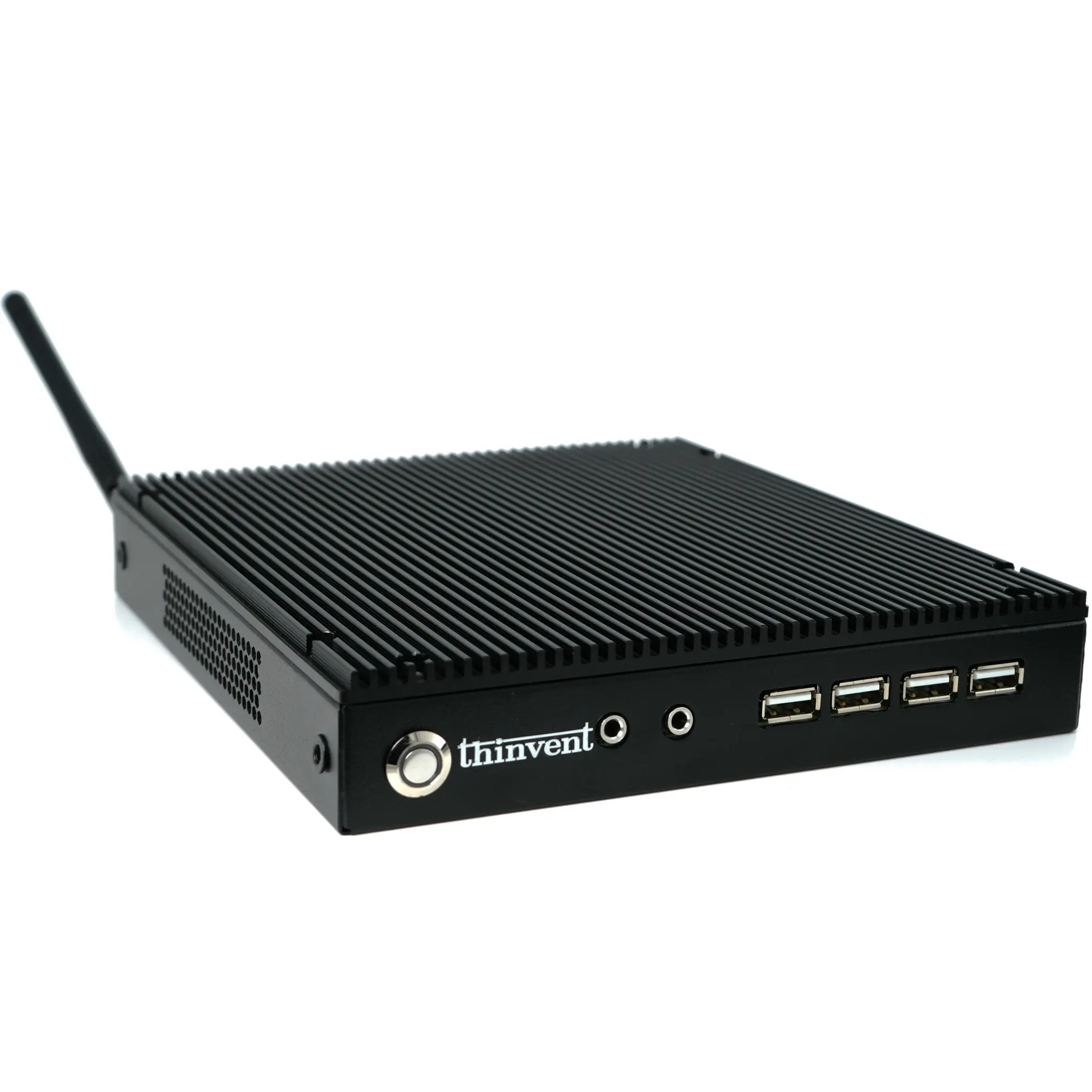
Industrial Mini PCs are compact, ruggedized computing systems designed for demanding environments where standard desktop computers would fail. They are characterized by fanless cooling, wide operating temperature ranges, and robust I/O connectivity. These systems prioritize reliability, longevity, and stable performance over raw computing power, making them ideal for 24/7 operation in harsh conditions.
Key Specifications and Technical Details
A typical industrial-grade Mini PC features a low-power, efficient processor (like Intel's N-series), passive cooling for silent and dust-proof operation, and industrial-grade components for extended lifespan. Key specifications include:
-
Form Factor: Ultra-compact designs, often with VESA mount compatibility.
-
Processor: Energy-efficient Intel Celeron or Intel Processor N-series CPUs (e.g., N100) with integrated graphics.
-
Memory & Storage: Soldered or socketed DDR4 RAM (8GB-16GB standard) and M.2 SSD storage for fast boot and operation.
-
Connectivity: Multiple Gigabit Ethernet ports, USB 3.2/2.0 ports, HDMI/DisplayPort outputs, and often serial ports (COM) for legacy industrial equipment.
-
Power: 12V DC input, supporting wide voltage ranges for vehicle or unstable power sources.
-
Operating System: Support for Windows IoT, Linux distributions (Ubuntu, Thinux), or headless operation.
Use Cases and Applications
These computers are deployed in scenarios requiring small size, reliability, and resistance to environmental factors.
-
Digital Signage & Kiosks: Powering interactive displays in retail, hospitality, and public spaces.
-
Factory Automation: Acting as a controller for PLCs, HMIs, and vision inspection systems on the shop floor.
-
Thin Clients & VDI: Providing secure, centralized access to virtual desktops in offices and call centers.
-
Edge Computing & IoT Gateways: Collecting, processing, and transmitting data from sensors at the network edge.
-
Transportation & In-Vehicle Computing: Used in buses, trains, and fleet management systems due to vibration resistance and wide-temperature operation.
Comparison: Industrial Mini PC vs. Standard Desktop
| Feature | Industrial Mini PC | Standard Desktop PC |
|---|---|---|
| Form Factor | Ultra-compact, fanless, mountable | Large tower with internal fans |
| Operating Temp | Wide range (e.g., -20°C to 70°C) | Narrow range (typically 5°C to 35°C) |
| Durability | High (resists dust, vibration, shock) | Low (for controlled office environments) |
| Power Consumption | Very Low (10W-25W) | Medium to High (65W+ for CPU alone) |
| I/O Flexibility | Industrial ports (COM, GPIO, dual LAN) | Consumer ports (USB, Audio, single LAN) |
| Lifespan & Support | Long (5-7+ years), stable component supply | Shorter (rapid consumer refresh cycles) |
Thinvent's Range of Industrial Mini PCs
Thinvent specializes in high-reliability, fanless Mini PCs built for industrial integration. Our Aero series, exemplified by the models on this page, features the efficient Intel Processor N100 in a rugged, compact chassis. These systems come pre-configured with your choice of operating system—Windows 11 IoT/Pro, Ubuntu Linux, or a lightweight embedded OS—and are designed for seamless deployment in digital signage, automation, and edge computing projects. With multiple I/O options and a focus on silent, maintenance-free operation, Thinvent Mini PCs deliver the durability and performance required for critical industrial applications worldwide.