Understanding the Dell OptiPlex 7020 and Modern Alternatives
The Dell OptiPlex 7020 is a business-class desktop computer from the mid-2010s, typically featuring 4th or 5th generation Intel Core processors (like the i5-4590), DDR3 memory, and traditional hard drives. While these systems were reliable for their time, modern computing demands—such as faster boot times, improved energy efficiency, and support for current software and security standards—have made newer, more efficient systems a compelling upgrade. Today's alternatives offer significant improvements in performance-per-watt, connectivity, and form factor flexibility.
Key Specifications and Technical Advantages
Modern compact desktops, designed as direct successors to traditional towers like the 7020, provide superior specifications. Key advancements include:
-
Modern Processors: Current-generation Intel processors, such as the efficient Intel N-series (e.g., N100) or Core i-series, offer better performance with lower thermal design power (TDP).
-
Solid-State Storage: Standard SSD storage dramatically improves system responsiveness, boot times, and application loading compared to older HDDs.
-
Energy Efficiency: Newer architectures consume far less power, reducing operational costs and heat output, which allows for completely fanless, silent operation in many models.
-
Compact Form Factors: The mini PC form factor saves substantial desk space while maintaining or exceeding the connectivity and performance of older tower units.
Ideal Use Cases and Applications
These modern systems are perfect upgrades for environments where the OptiPlex 7020 was commonly deployed:
-
General Office Productivity: Running office suites, email clients, web browsers, and video conferencing software smoothly.
-
Digital Signage & Kiosks: Their small size and fanless designs make them ideal for wall-mounted or discreet installations.
-
Thin Client / Terminal Workstations: Serving as robust endpoints for virtual desktop infrastructure (VDI).
-
Light Duty Point-of-Sale (POS) Systems: Reliable operation for retail and hospitality environments.
Comparison: Legacy Tower vs. Modern Mini PC
| Feature | Legacy Business Desktop (e.g., OptiPlex 7020) | Modern Industrial Mini PC |
|---|---|---|
| Typical CPU | Intel Core i5-4590 (4th Gen) | Intel Processor N100 (12th Gen) |
| Performance | Adequate for legacy OS/software | Superior single-thread & GPU performance |
| Storage | HDD (500GB - 1TB) | SSD (128GB - 2TB+) - Much faster |
| Form Factor | Mid-size Tower (~15L volume) | Ultra-Compact Mini PC (<0.5L volume) |
| Power Draw | Higher (~65W CPU TDP + system) | Much Lower (~6W CPU TDP, ~15W system) |
| Cooling | Active (Fans) | Often Passive (Fanless) - Silent |
| Modern I/O | Limited USB 3.0, possibly VGA | Multiple USB 3.2, HDMI/DP, optional 2.5GbE |
Thinvent's Modern Desktop Solutions
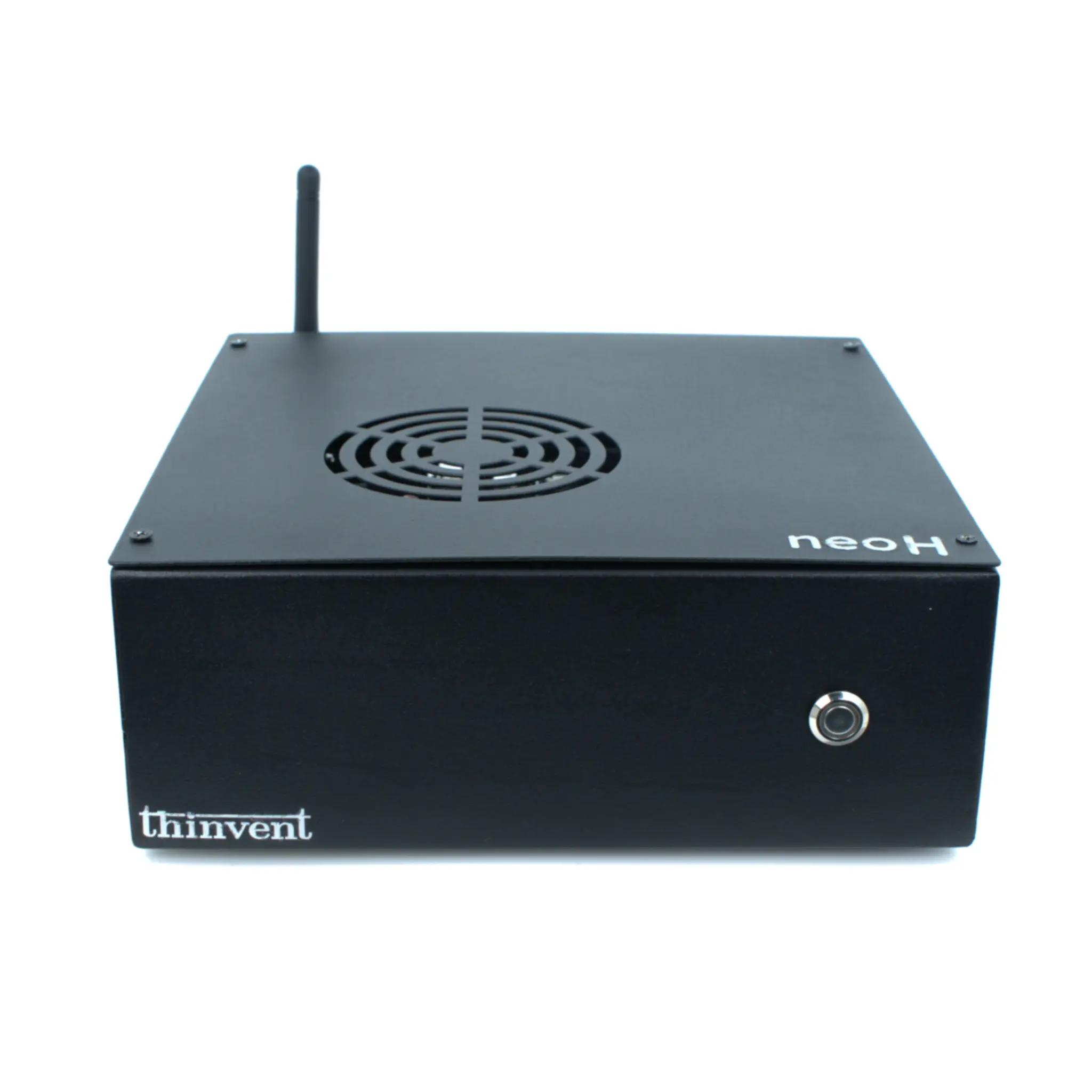
Thinvent specializes in manufacturing robust, modern industrial computers that serve as powerful and reliable successors to legacy business desktops. Our product lines, like the Aero Mini PC series, encapsulate the key advantages discussed. They are built with industrial-grade components for 24/7 reliability in commercial settings. Featuring the latest Intel processors, fast DDR4 RAM, and solid-state storage, these systems deliver the performance needed for today's software while offering the flexibility of multiple operating system choices, including Windows 11 Pro, Ubuntu Linux, or a lightweight embedded OS. Their fanless, compact design makes them ideal for upgrading office workspaces, digital signage, or kiosk applications where space, noise, and reliability are critical.