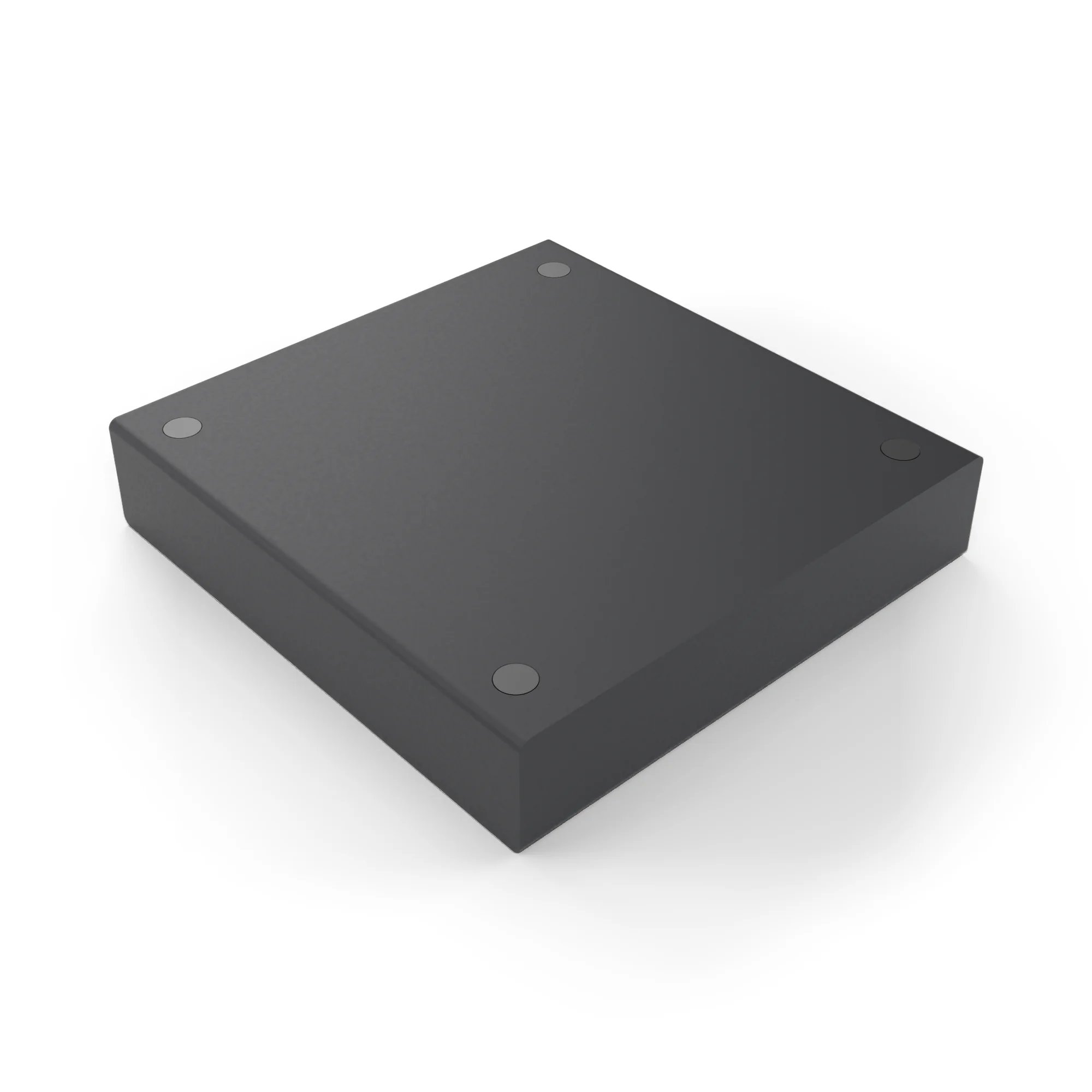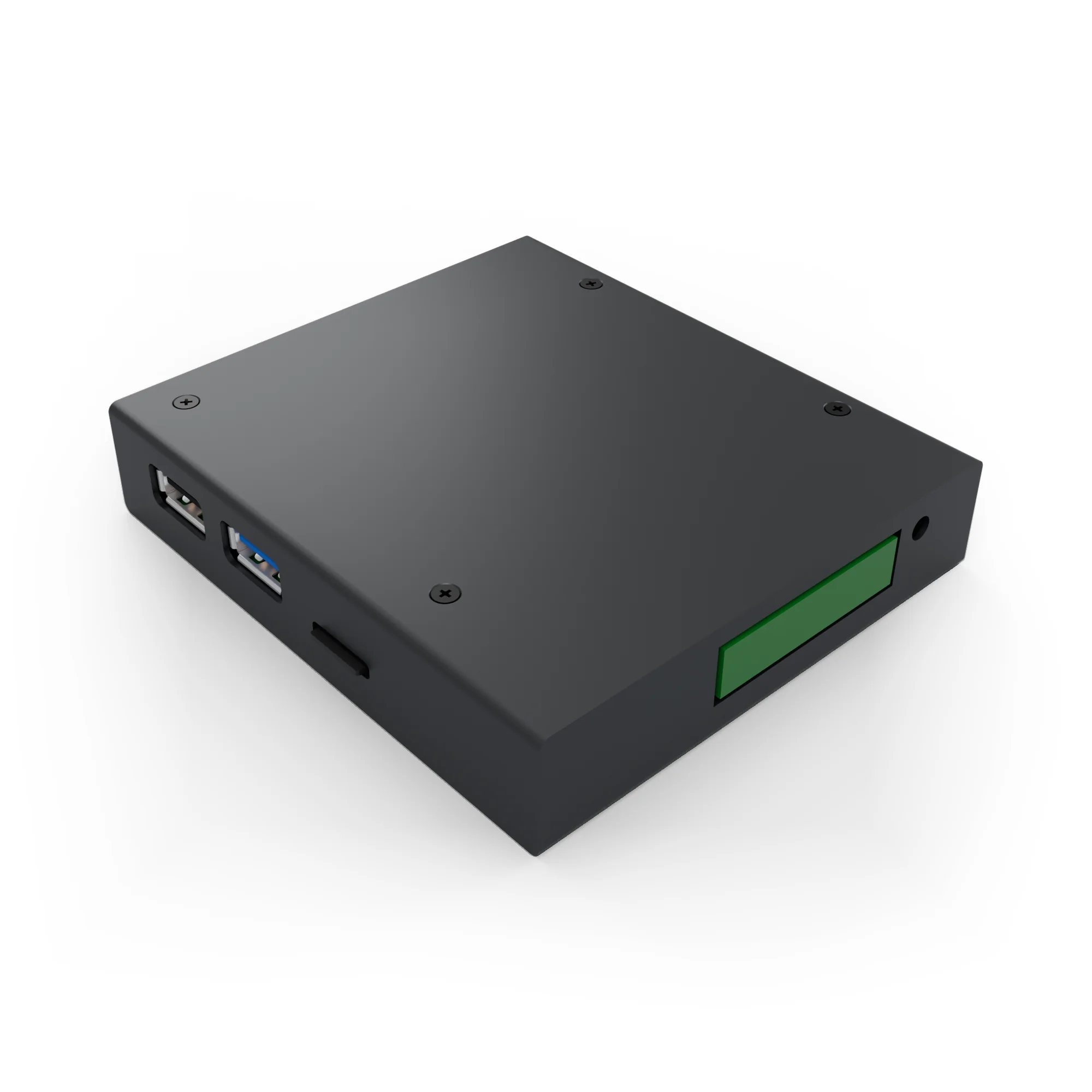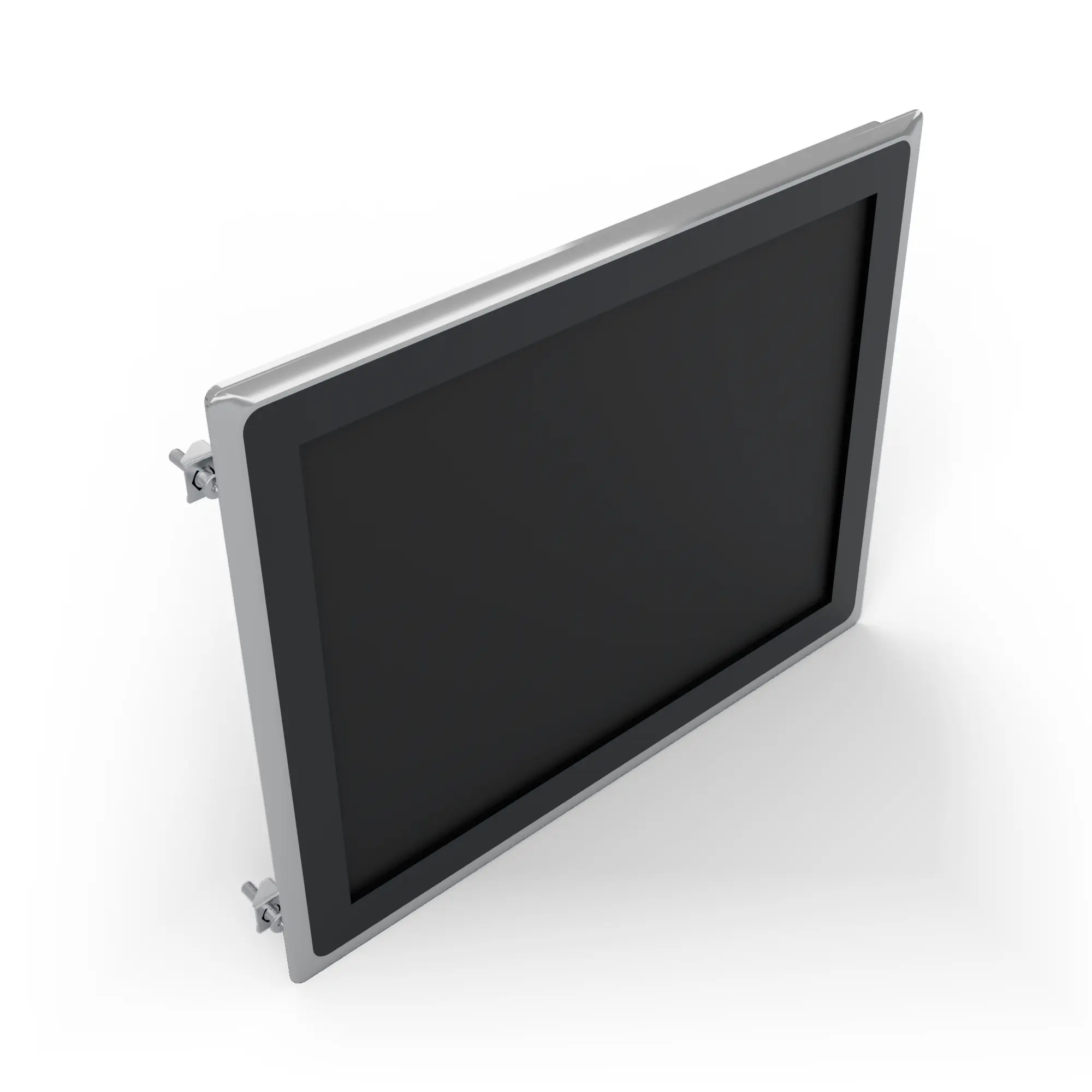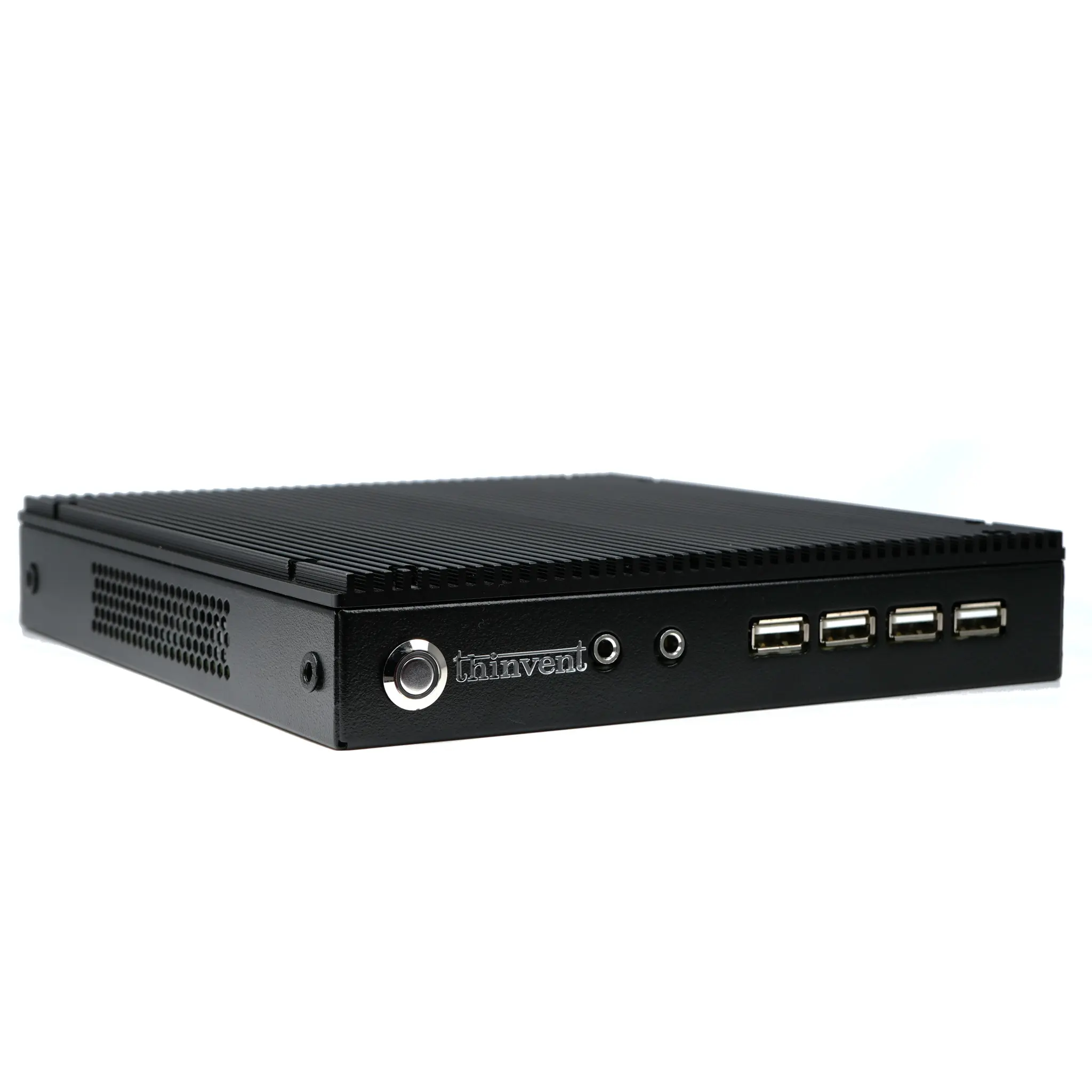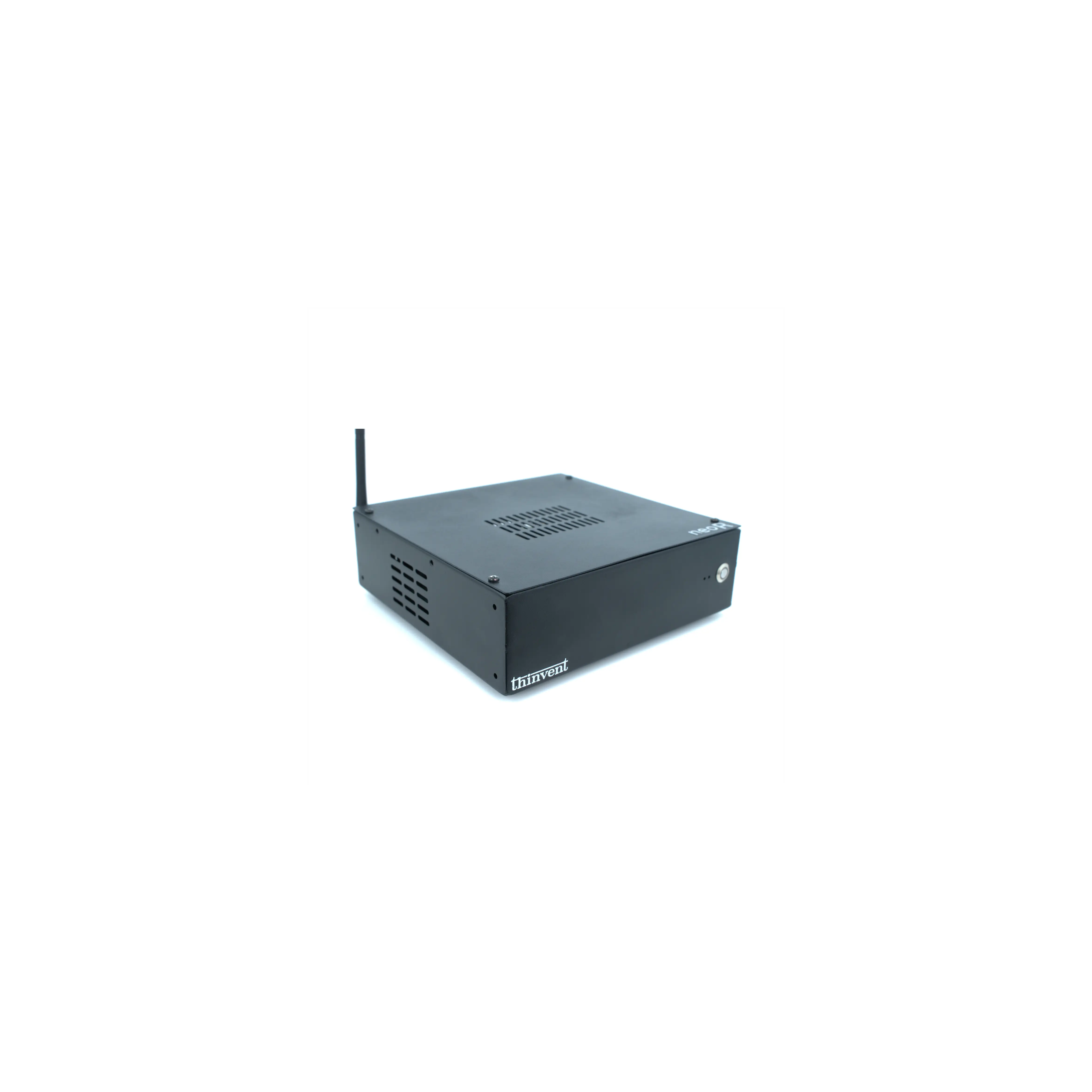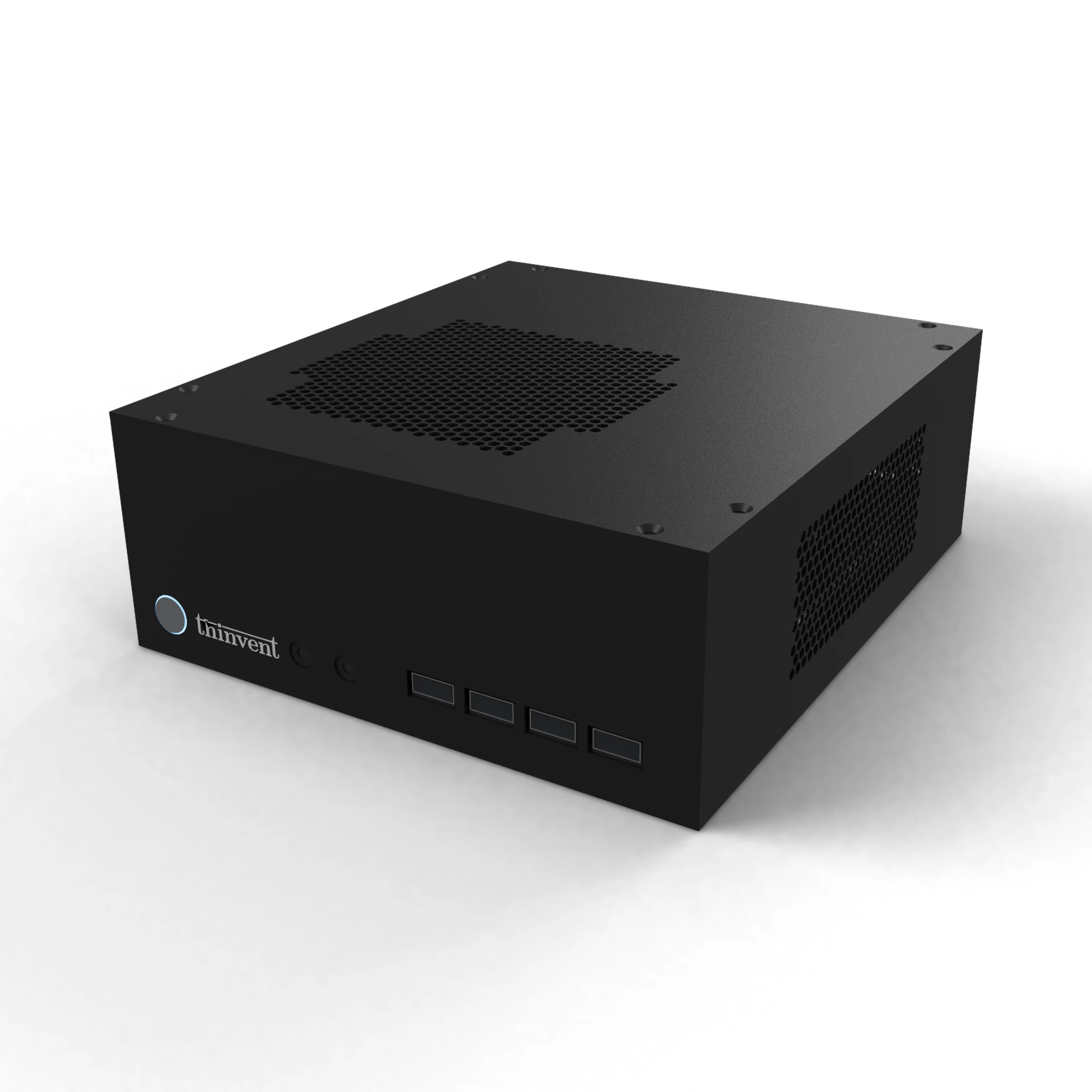
The Dell Wyse 5030 is a PCoIP zero client that connects users to virtual desktops and blade PCs, with two displays supported. The closest Thinvent match is the Thinvent Micro 5R Thin Client, a fanless ARM-based thin client with two display-capable video outputs options in its range. The Thinvent Neo S Thin Client is the closer match if you need an Intel-based unit with Windows 11 Pro.
Dell Wyse 5030 PCoIP vs Thinvent Micro 5R and Neo S
| Feature | Dell Wyse 5030 PCoIP | Thinvent Micro 5R | Thinvent Neo S |
|---|---|---|---|
| Processor | Teradici TERA2321 PCoIP | ARM Cortex A53 (Rockchip RK3528) | Intel Celeron J1900 |
| Cores / Threads | Not confirmed | 4 cores | 4 cores |
| RAM | Not confirmed | 2 GB | 4 GB |
| Storage | Not confirmed | 16 GB eMMC | 128 GB SSD |
| Form Factor | Thin Client | Thin Client | Thin Client |
| Displays | 2 | 1 HDMI 2.0 | 1 HDMI, 1 VGA |
| Operating System | Not confirmed | Thinux™ Embedded Linux | Windows 11 Pro |
Key differences
-
The Thinvent Neo S includes a 128 GB SSD and 4 GB RAM, and lets you choose Windows 11 Pro, Windows 11 IoT, Ubuntu Linux, Thinux™ Embedded Linux, or no OS.
-
The Thinvent Micro 5R has built-in Wi-Fi 6 and Bluetooth 5, which the Neo S does not have.
-
The Thinvent Neo S has a fanless passive cooling design, a steel housing, and two DB9 RS232 serial ports.
-
The Dell Wyse 5030 supports two displays. Both Thinvent models listed here have one display output. We could not confirm the Dell Wyse 5030's processor clock speed, memory, storage, or operating system, so those points are left out of the comparison.
Which one should you choose?
Choose the Dell Wyse 5030 if your environment is built on PCoIP and you need two displays. Choose the Thinvent Neo S if you want a fanless Intel thin client with an SSD, Windows 11 Pro, and a choice of operating systems. Choose the Thinvent Micro 5R if you want a compact, low-power unit with Wi-Fi 6 and Bluetooth for Linux-based deployments.