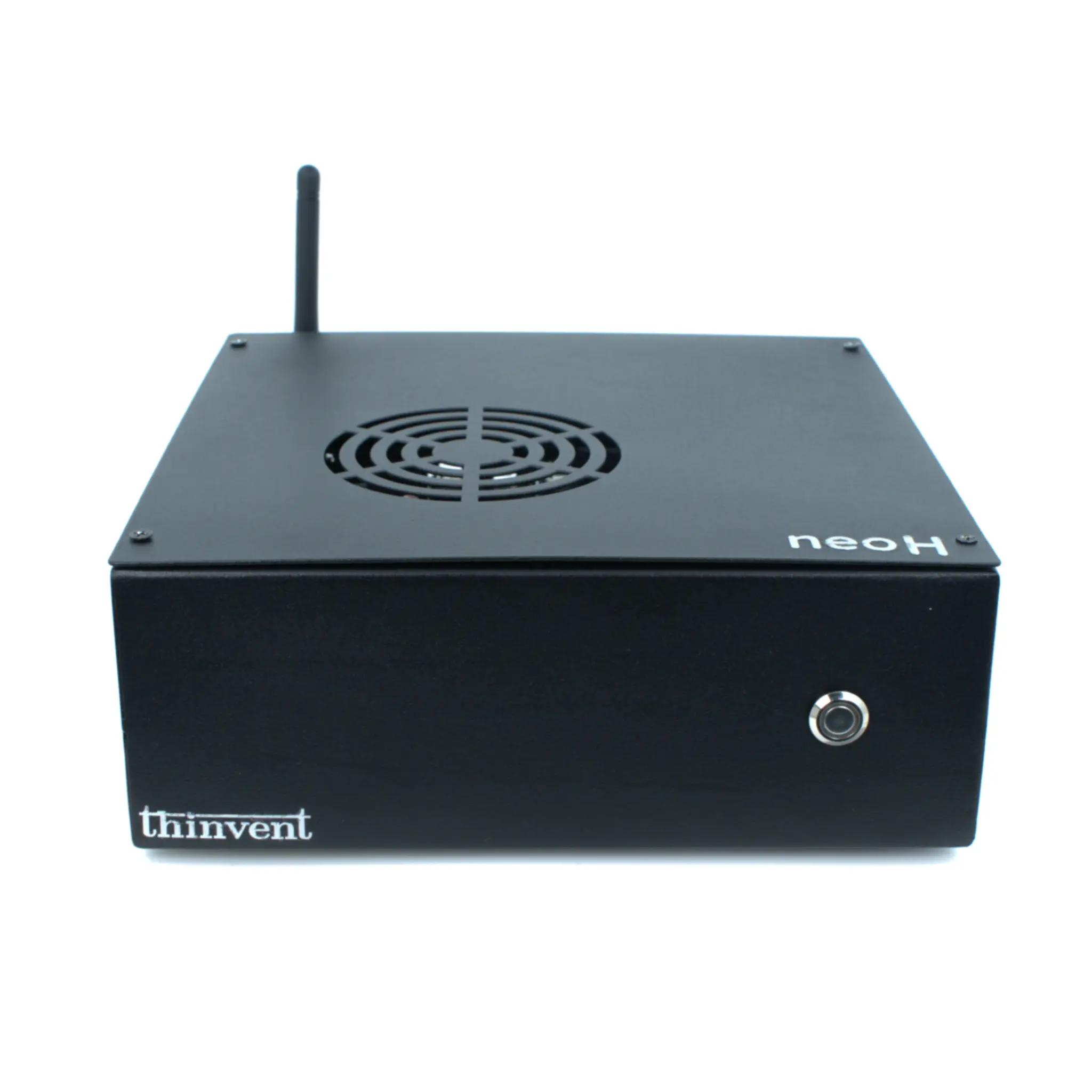
A desktop computer for 3D rendering requires a powerful combination of a high-core-count CPU, substantial RAM, fast storage, and robust cooling to handle complex calculations and large datasets efficiently. Unlike standard office PCs, rendering workstations are optimized for sustained, multi-threaded performance to reduce project turnaround times, whether for architectural visualization, product design, animation, or engineering simulations.
Key Specifications for 3D Rendering
The primary components that define a rendering workstation are the processor, memory, storage, and graphics capabilities.
-
Processor (CPU): Multi-core processors (e.g., Intel Core i5, i7, i9) are essential. Rendering engines like V-Ray, Blender Cycles, and Arnold leverage all available cores. Higher core and thread counts directly translate to faster render times.
-
Memory (RAM): 32GB is a recommended starting point for professional work. Complex scenes with high-resolution textures can easily require 64GB or more to prevent slowdowns and crashes.
-
Storage: NVMe SSDs (512GB or 1TB+) are critical for loading large application files, asset libraries, and project files quickly. A secondary HDD or SSD can be used for archiving completed projects.
-
Graphics (GPU): While the CPU handles final frame rendering (CPU-based rendering), a powerful dedicated GPU accelerates the viewport performance, real-time rendering (GPU-based rendering with engines like Octane or Redshift), and post-processing tasks.
Use Cases and Applications
3D rendering desktops are deployed across various demanding professional fields:
-
Architecture & Engineering: Creating photorealistic visualizations of buildings, interiors, and mechanical parts.
-
Media & Entertainment: Producing animated films, visual effects (VFX), and game assets.
-
Product Design & Manufacturing: Developing and visualizing prototypes, marketing materials, and technical illustrations.
-
Scientific Visualization: Rendering complex simulations and data models for research and analysis.
Thinvent Industrial Computers for Rendering Workloads
While the sample products listed are compact, fanless systems ideal for embedded and light-duty applications, Thinvent offers a broader range of industrial computing solutions that can be configured for demanding tasks. For professional 3D rendering, we recommend exploring our higher-performance lines featuring:
-
Industrial PCs with support for more powerful, multi-core Intel Core processors (i5, i7 series from 10th to 14th generation).
-
Configurations with 32GB or 64GB of RAM and high-capacity NVMe SSD storage.
-
Robust chassis designs with advanced thermal management to ensure stability during long, intensive rendering sessions. These reliable systems are built for 24/7 operation in controlled environments, making them a solid foundation for a dedicated rendering node or a primary design workstation where uptime and data integrity are paramount.