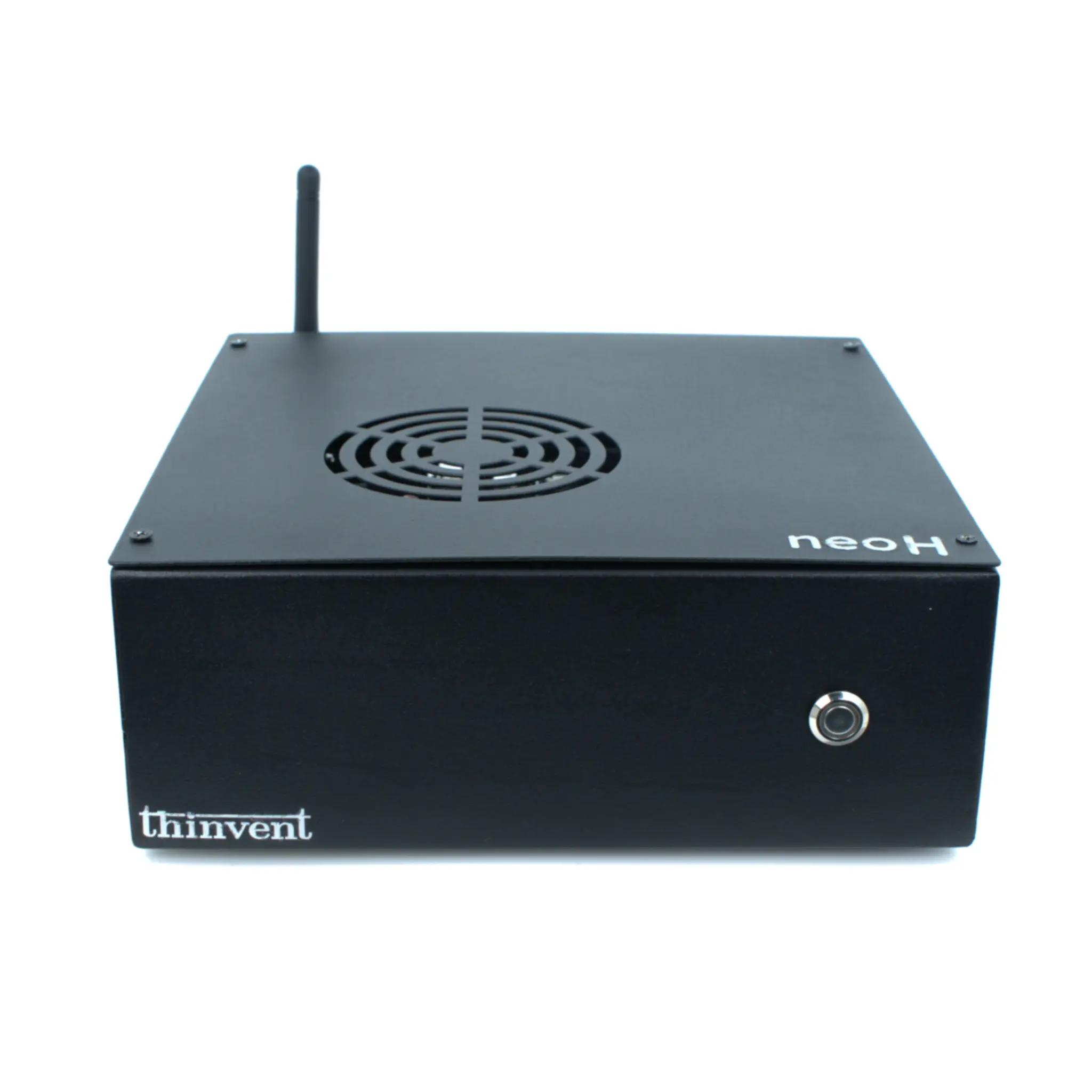
What Are Desktop Computers?
Desktop computers are traditional, stationary personal computers designed for use at a fixed location, typically on a desk. They consist of separate components like a system unit (tower or mini PC), monitor, keyboard, and mouse. Modern desktops offer a wide range of performance, from basic office tasks to high-end gaming and professional content creation, providing superior power, cooling, and upgradeability compared to laptops.
Key Specifications and Technical Details
A desktop computer's performance is defined by its core components. The processor (CPU) dictates overall speed and multitasking capability, with options ranging from efficient Intel Celeron/N-series chips to powerful Intel Core i3/i5/i7 models. Main memory (RAM) is crucial for smooth operation, with 8GB being a standard starting point for general use and 16GB or more recommended for demanding applications. Storage is typically provided by Solid State Drives (SSDs) for fast boot times and application loading, with capacities from 128GB to 1TB or more. Connectivity is also vital, with modern desktops featuring multiple USB ports (including USB-C), HDMI/DisplayPort outputs for monitors, and Gigabit Ethernet for reliable wired networking.
Use Cases and Applications
Desktop computers are versatile tools suitable for numerous environments. In business and office settings, they handle productivity software, email, web browsing, and video conferencing reliably. For education, they provide a stable platform for e-learning and research. In creative and technical fields like graphic design, video editing, and software development, high-performance desktops with powerful processors and ample RAM are essential. They are also the cornerstone of home entertainment systems, gaming rigs, and digital signage solutions in retail and hospitality.
Desktop Computer Form Factors
| Form Factor | Description | Ideal For |
|---|---|---|
| Tower Desktop | Traditional, larger chassis with ample space for components and upgrades. | Power users, gamers, workstations requiring high performance and expansion. |
| Mini PC / Small Form Factor (SFF) | Compact, space-saving units, often fanless for silent operation. | Digital signage, kiosks, office workstations, home theater PCs (HTPCs), and environments with limited space. |
| All-in-One (AIO) | Integrates the computer components into the monitor for a clean, cable-free desk. | Reception areas, modern offices, retail points-of-sale, and home users seeking a minimalist setup. |
| Thin Client | Low-power device that relies on a central server or cloud for processing. | Virtual Desktop Infrastructure (VDI), call centers, and secure environments where data is centralized. |
Thinvent Desktop Computer Solutions
Thinvent offers a robust range of industrial-grade desktop computers built for reliability and longevity. Our focus is on compact, fanless Mini PCs that deliver silent, maintenance-free operation perfect for 24/7 applications. Featuring the latest Intel processors, including the efficient N-series and powerful Core series, our desktops come with configurable memory and SSD storage. They support multiple operating systems, including Windows, Linux, and our own Thinux™ Embedded OS, and are designed to thrive in diverse environments from corporate offices to factory floors. Explore our selection to find a durable, high-performance desktop solution tailored to your specific needs.