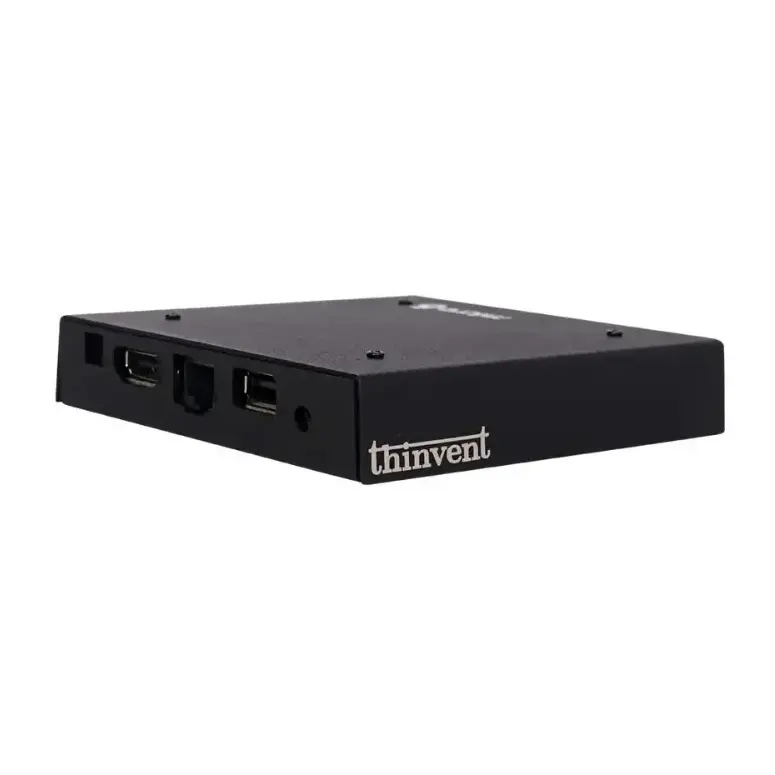
What is a Desktop Model Computer?
A desktop model computer is a traditional, space-efficient personal computing system designed for stationary use on a desk or workstation. Unlike bulky tower PCs, modern desktop models, particularly industrial and compact variants, prioritize a small footprint, energy efficiency, and reliable performance for continuous operation. These systems are the backbone of office environments, digital signage, industrial automation, and point-of-sale applications, offering a balance of processing power, connectivity, and durability.
Key Specifications and Technical Details
Modern desktop models are defined by their core components. Key specifications include the processor (CPU), which dictates performance, with options ranging from efficient Intel N-series chips for basic tasks to powerful Core i-series processors for demanding applications. Memory (RAM) is crucial for multitasking, typically starting at 8GB for general use and scaling to 32GB or more for specialized software. Storage is provided by solid-state drives (SSDs) for fast boot times and data access, commonly in 128GB to 1TB capacities. Essential connectivity includes multiple USB ports (including USB 3.2 and Type-C), HDMI/DisplayPort outputs for multi-monitor setups, and Gigabit Ethernet for stable network connections. Many industrial models feature fanless, sealed designs for silent operation and protection against dust and particulates.
Common Use Cases and Applications
Desktop computers are versatile tools deployed across numerous sectors. In commercial settings, they power office productivity suites, CRM software, and video conferencing systems. For retail and hospitality, they are integral to point-of-sale (POS) terminals and self-service kiosks. In industrial and manufacturing environments, their ruggedness makes them ideal for machine control, process monitoring, and HMI (Human-Machine Interface) applications. The compact form factor is also perfect for digital signage, thin client deployments, and embedded systems in healthcare, transportation, and education, where space is limited and reliability is paramount.
Comparison of Desktop Form Factors
| Feature | Traditional Tower | Compact/Mini PC | All-in-One (AIO) | Industrial PC |
|---|---|---|---|---|
| Size/Footprint | Large | Very Small | Integrated Display | Varies (Often Compact) |
| Expandability | High (Multiple Slots/Bays) | Low to Moderate | Very Low | Moderate (I/O Focused) |
| Typical Use | Gaming, Workstations, Servers | Office, Digital Signage, Kiosks | Front Desk, Reception, Education | Factory Floor, HMI, Automation |
| Cooling | Active (Fans) | Often Fanless | Active (Fans) | Often Fanless & Ruggedized |
| Deployment | Under Desk | Behind Monitor/VESA Mount | Standalone | DIN-rail/Wall Mount |
Thinvent Desktop Model Solutions
Thinvent offers a robust range of desktop model computers engineered for professional and industrial use. Our product lines include the Aero Series of ultra-compact Mini PCs, which exemplify modern desktop computing with their fanless, energy-efficient designs powered by Intel processors. These systems are pre-configured with ample RAM and fast SSD storage, supporting various operating systems like Windows 11, Ubuntu Linux, or our custom Thinux™ platform. Built for 24/7 reliability, Thinvent desktops are ideal solutions for businesses seeking powerful, space-saving, and durable computing hardware for digital signage, office automation, thin client setups, and embedded industrial applications.