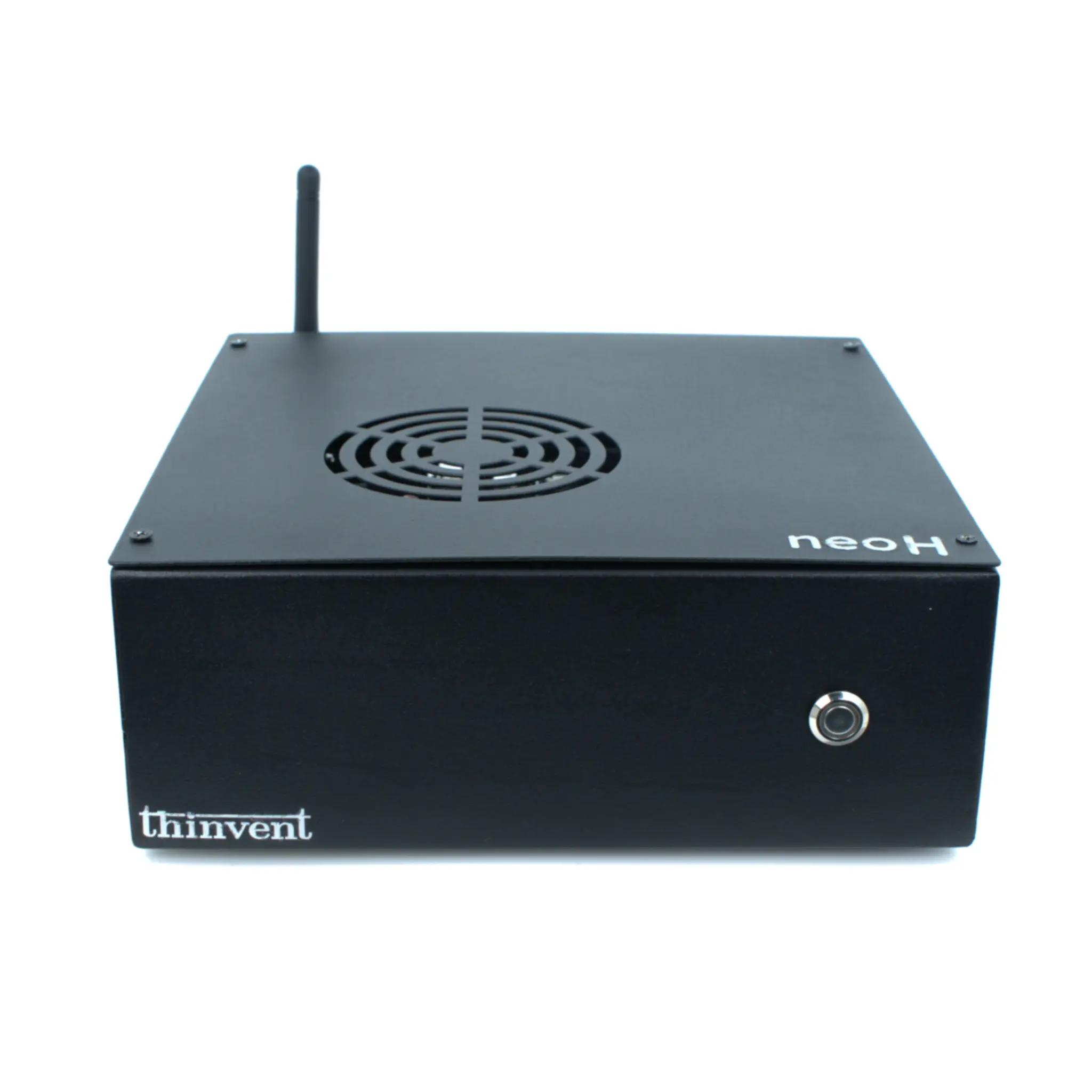
A desktop NAS (Network Attached Storage) system is a dedicated, compact computer designed to provide centralized data storage and file sharing over a network. Unlike traditional servers, desktop NAS devices are built for simplicity, energy efficiency, and quiet operation, making them ideal for small offices, home offices, and media enthusiasts. A compact desktop NAS prioritizes a small physical footprint, often using fanless or low-noise cooling, while delivering the reliability and accessibility required for 24/7 data availability.
Key specifications for an effective desktop NAS system include a capable multi-core processor (like Intel's N-series or Core i3/i5), sufficient RAM (typically 8GB or more for smooth operation with multiple users and services), and support for multiple storage drives (via SATA or M.2 interfaces) configured in RAID for data redundancy. Essential connectivity includes Gigabit Ethernet (with dual ports for link aggregation or failover being a major advantage), multiple USB ports for external backups, and sometimes HDMI for local management. The operating system is typically a lightweight, dedicated NAS OS like TrueNAS Core, OpenMediaVault, or a vendor-specific Linux distribution optimized for storage tasks.
Primary Use Cases and Applications:
-
Small Business/Home Office File Server: Centralizes documents, projects, and backups for a team, with user access controls.
-
Media Server: Stores and streams music, photos, and video libraries to devices across the home network using applications like Plex or Jellyfin.
-
Surveillance Storage: Acts as a network video recorder (NVR) for IP security cameras, providing ample, reliable storage for footage.
-
Personal Cloud: Offers a private, secure alternative to public cloud services for accessing files remotely.
-
Development/Testing Environment: Provides network storage for virtual machines, code repositories, and backup targets.
Choosing the Right Hardware: While many off-the-shelf NAS appliances exist, building or deploying a custom NAS from a compact industrial PC offers greater flexibility and often better performance per dollar. The table below outlines typical hardware tiers for a desktop NAS:
| Use Case Tier | Recommended Processor | Recommended RAM | Storage Bays | Key Features |
|---|---|---|---|---|
| Basic/Home Media | Intel N95, N100, ARM A55 | 4-8 GB | 1-2 (SATA) | Low power, fanless, single Gigabit Ethernet. |
| SMB/Prosumer | Intel Core i3-1215U, i5-1240P | 8-16 GB | 2-4 (SATA/M.2) | Dual Ethernet, more CPU for transcoding, ECC RAM support possible. |
| Advanced/Workgroup | Intel Core i5-1250P, i5-1335U | 16-32 GB | 4+ (SATA/M.2) | High core count for multiple services/VMs, dual NICs with 2.5GbE potential. |
Thinvent Solutions for Desktop NAS Systems
Thinvent's range of compact and industrial PCs provides an excellent hardware foundation for building robust, custom desktop NAS solutions. Their fanless and rugged designs ensure silent, reliable operation perfect for always-on storage duty. For a basic, low-power NAS, the Thinvent Treo Mini PC with an Intel N100 processor offers a great balance of efficiency and capability. For more demanding environments requiring faster performance, hardware transcoding for media, or support for more drives and users, the Thinvent Aero Mini PC with Intel Core i3/i5 processors (like the i3-1215U or i5-120U) delivers superior multi-core performance. The Thinvent Industrial PC (IPC) series offers even greater expandability and durability, with models supporting more RAM and storage interfaces, making them ideal for critical business NAS applications or as a backbone for surveillance systems. By installing your preferred NAS operating system on a Thinvent platform, you gain control over your data with enterprise-grade reliability in a compact desktop form factor.