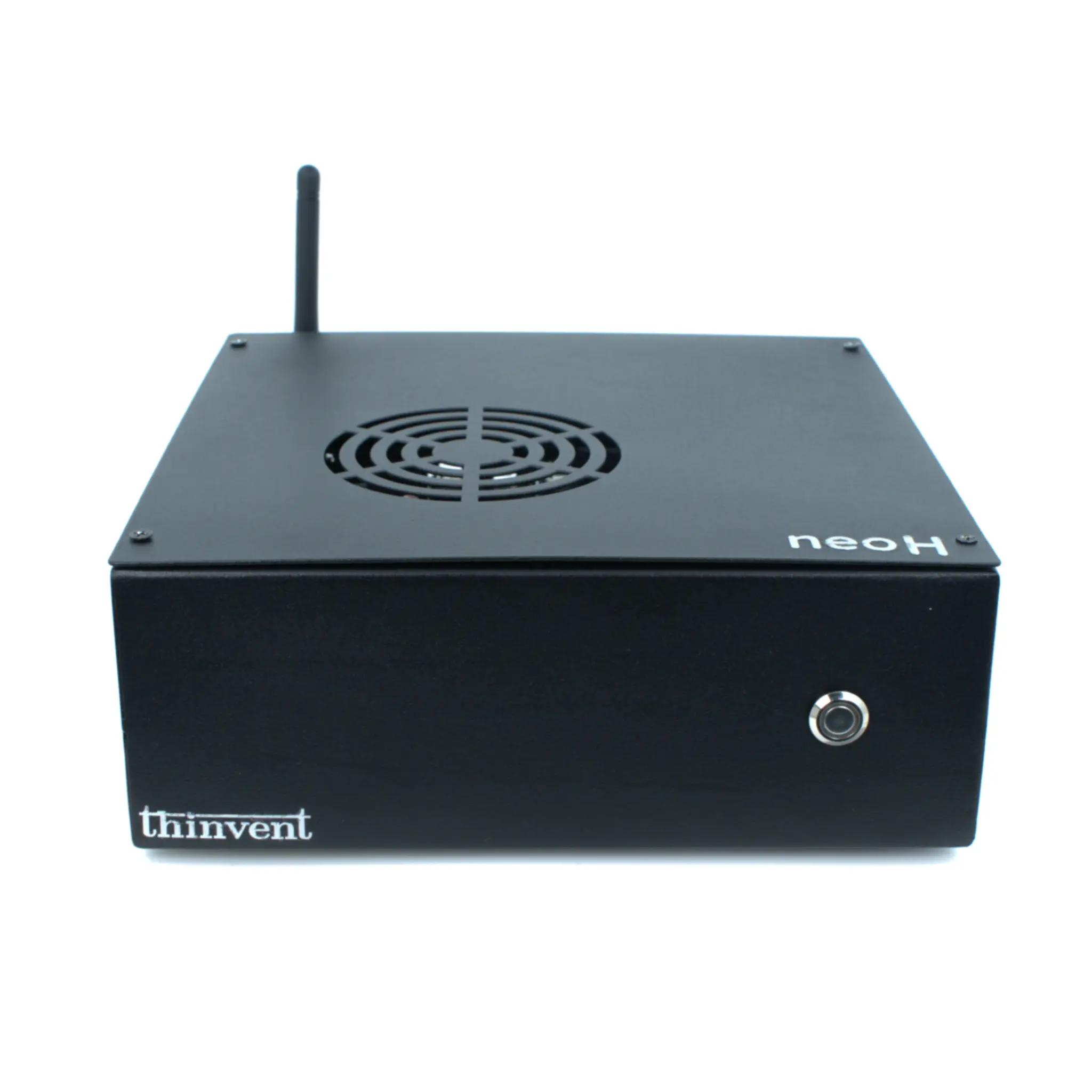
What is a Desktop Server?
A desktop server is a compact, powerful computer designed to function as a dedicated server for small to medium-sized business environments. Unlike traditional rack-mounted or tower servers, these systems leverage a small form factor (like a Mini PC) to provide essential server capabilities such as file sharing, network management, application hosting, and data backup, all while occupying minimal desk or shelf space. They offer a balance of performance, reliability, and energy efficiency ideal for offices, retail stores, clinics, and light industrial settings.
Key Specifications and Technical Details
Modern desktop servers are built for 24/7 operation with robust components. Key specifications to consider include:
-
Processor: Multi-core Intel processors (e.g., Celeron, i3, i5) provide the necessary computational power for handling multiple concurrent tasks.
-
Memory (RAM): Adequate RAM (typically 8GB to 32GB) is crucial for smooth operation when running server applications and managing user connections.
-
Storage: Fast SSD storage (256GB to 1TB) ensures quick data access and system responsiveness. Many models support additional storage expansion.
-
Connectivity: Dual Gigabit Ethernet ports are common for network redundancy, load balancing, or segregating traffic. Multiple USB ports facilitate peripheral connections.
-
Reliability: Features like fanless cooling eliminate moving parts for silent, dust-resistant operation, while wide-range power input ensures stability in varying electrical conditions.
Ideal Use Cases and Applications
Desktop servers are versatile solutions for decentralized computing needs. Common applications include:
-
Branch Office Server: Hosting files, printers, and business applications locally for a small team.
-
Digital Signage & Kiosk Controller: Managing and scheduling content across multiple displays in retail or public spaces.
-
Lightweight Database Server: Running local databases for point-of-sale systems, inventory management, or customer records.
-
Network Gateway/Firewall: Using specialized software to manage network security and traffic.
-
IoT Hub/Edge Computing Node: Collecting, processing, and relaying data from sensors and devices in smart environments.
Comparison: Desktop Server vs. Traditional Server
| Feature | Desktop Server (Mini PC Form) | Traditional Rack/Tower Server |
|---|---|---|
| Form Factor & Size | Extremely compact, fits anywhere. | Large, requires dedicated rack or floor space. |
| Power Consumption | Very low (often 10W-65W), energy-efficient. | High, requires significant cooling. |
| Noise Level | Silent (fanless models) or very quiet. | Can be loud due to cooling fans. |
| Scalability | Limited internal expansion; often uses external storage. | High, with multiple drive bays and expansion slots. |
| Ideal For | SMBs, remote offices, edge computing, specific applications. | Data centers, enterprises with high-demand workloads. |
Thinvent Desktop Server Solutions
Thinvent offers a range of industrial-grade compact computers perfectly suited for desktop server duties. Our systems are engineered for reliability in demanding environments, featuring fanless designs for maintenance-free operation, robust metal chassis, and support for various operating systems including Windows, Linux, and IoT editions. From energy-efficient Intel N-series processors for lightweight tasks to more powerful Core i3/i5 configurations for enhanced performance, Thinvent provides scalable solutions to meet your specific server application needs, ensuring stable and continuous operation for your critical business processes.