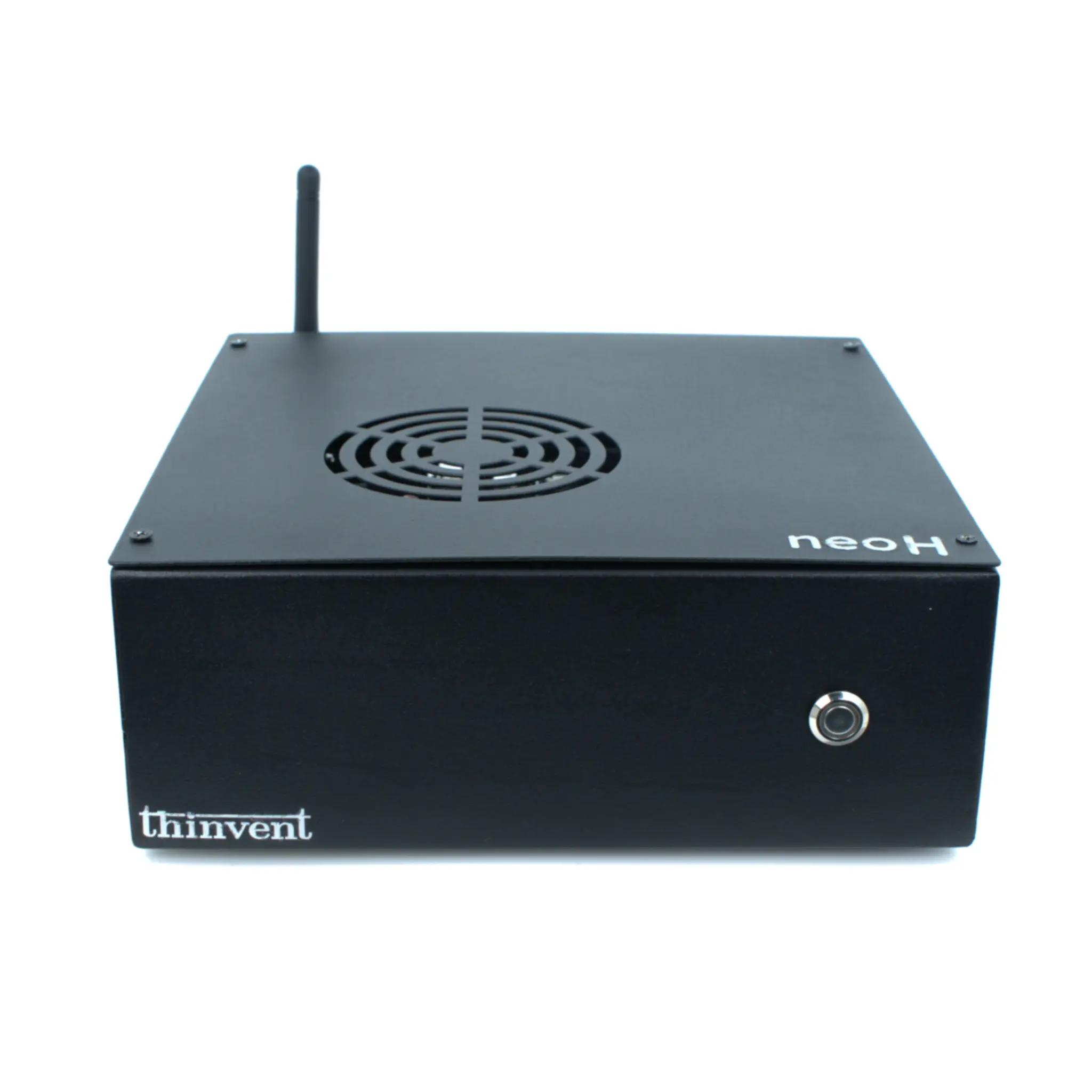
What Is a Disk Computer?
A Disk Computer, often referred to as a Disk PC or Disk-Based System, is a compact, specialized computing device designed primarily for data storage, retrieval, and management tasks. Unlike general-purpose computers, these systems are optimized for reliability, low power consumption, and continuous operation in embedded environments. They typically feature robust storage interfaces and are built to handle dedicated applications where data integrity and silent, fanless operation are critical.
Key Specifications and Technical Details
These computers are engineered with specific components to excel in storage-centric roles. Core specifications often include:
-
Processor: Efficient, low-power Intel processors (like the N-series) that generate minimal heat, enabling fanless designs.
-
Memory: Adequate RAM (e.g., 8GB, 16GB) to support operating systems and caching for storage operations.
-
Storage: Reliable Solid-State Drives (SSDs) in capacities like 128GB or 256GB, chosen for their speed, durability, and resistance to shock/vibration compared to traditional hard drives.
-
Form Factor: Compact and versatile designs, such as Mini PCs, that can be easily mounted or integrated into racks, kiosks, or machinery.
-
Connectivity: Multiple USB ports (including USB 3.2) for connecting external storage arrays, Gigabit Ethernet for network-attached storage (NAS) functions, and HDMI for local display output if needed.
-
Operating System: Support for lightweight or embedded OS options like Windows IoT, Linux distributions (Ubuntu, Thinux™), or FreeDOS, which are ideal for headless or dedicated storage applications.
Applications and Use Cases
Disk Computers are deployed in scenarios requiring dedicated, reliable storage processing:
-
Digital Signage & Kiosks: Storing and playing back media content reliably 24/7.
-
Thin Client & VDI Terminals: Acting as local cache points in virtual desktop infrastructures.
-
Network Attached Storage (NAS): Serving as a low-power, compact node in a storage network.
-
Industrial Automation: Logging and processing data from sensors and PLCs on the factory floor.
-
Edge Computing Gateways: Aggregating and temporarily storing IoT sensor data before transmission.
Comparison: Disk Computer vs. General-Purpose Desktop
| Feature | Disk Computer | General-Purpose Desktop |
|---|---|---|
| Primary Role | Dedicated storage/embedded tasks | Multitasking, general computing |
| Form Factor | Compact, fanless, mountable | Larger, often with active cooling |
| Power Consumption | Very Low (e.g., 12V DC) | Moderate to High |
| Noise Level | Silent (fanless) | Audible fan noise |
| Operating Environment | Industrial, extended temperature ranges | Office/Home environments |
| Typical Storage | Reliable SSD, often single drive | Multiple drives (HDD/SSD) |
Thinvent Disk Computer Solutions
Thinvent offers a range of robust Disk Computers built for demanding environments. Our Aero Mini PC series exemplifies this category, featuring efficient Intel N-series processors, fanless cooling for silent and dust-resistant operation, and multiple OS choices for flexibility. These systems provide the perfect balance of performance, reliability, and compact design for embedded storage, digital signage, and industrial computing applications worldwide. Explore our portfolio to find a disk-optimized computing solution tailored to your project's requirements.