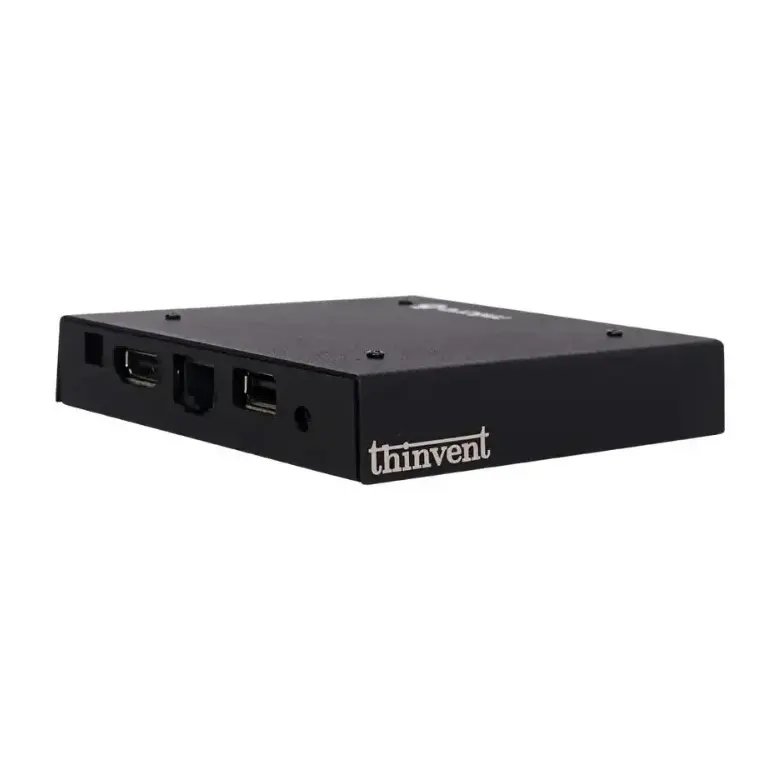
What is an Editing Computer?
An editing computer is a specialized workstation designed to handle the demanding tasks of video editing, photo manipulation, and content creation. Unlike standard office PCs, these systems require powerful multi-core processors, ample RAM, and fast storage to smoothly process high-resolution footage, apply complex effects, and render final projects efficiently. The core goal is to minimize lag, accelerate workflow, and provide a stable platform for creative software like Adobe Premiere Pro, DaVinci Resolve, and Photoshop.
Key Specifications for Editing Computers
To build or choose an effective editing computer, focus on these critical components:
-
Processor (CPU): A modern multi-core CPU is essential. For professional editing, Intel Core i5, i7, or i9 processors (12th generation or newer) are recommended for their high core/thread counts and integrated graphics that assist with encoding/decoding.
-
Memory (RAM): 16GB is the absolute minimum for 1080p editing. For 4K workflows, 32GB or 64GB is standard to allow for smooth multitasking and handling of large project files.
-
Storage (SSD): A fast NVMe SSD (512GB or 1TB) is non-negotiable for hosting your operating system, applications, and active project files to ensure fast loading and playback. Larger capacity HDDs or additional SSDs are used for media archives.
-
Graphics (GPU): While a dedicated GPU (from NVIDIA or AMD) significantly accelerates rendering and effects, modern Intel processors with integrated Iris Xe graphics can capably handle many editing tasks, especially at 1080p and some 4K formats.
-
Connectivity: Multiple high-speed ports like USB 3.2 Gen 2, USB-C, and dual HDMI/DisplayPort outputs are crucial for connecting fast external drives, monitors, and peripherals.
Ideal Use Cases and Applications
A capable editing computer is vital for:
-
Professional Video Production: Editing documentaries, commercials, and online content.
-
Content Creation: Streamlining workflows for YouTubers, podcasters, and social media managers.
-
Photography: Batch processing high-resolution images and running advanced Photoshop edits.
-
Motion Graphics & Animation: Creating 2D/3D animations and visual effects.
Comparison: Entry-Level vs. Professional Editing Rigs
| Feature | Entry-Level / Prosumer Editing | Professional Workstation |
|---|---|---|
| Primary Use | 1080p editing, light 4K, content creation | 4K/8K editing, complex VFX, 3D rendering |
| Recommended CPU | Intel Core i5 (12th/13th Gen) | Intel Core i7/i9 (13th/14th Gen) |
| Recommended RAM | 16GB - 32GB DDR4/DDR5 | 32GB - 64GB+ DDR5 |
| Storage Solution | 512GB NVMe SSD | 1TB+ NVMe SSD + large HDD/SSD array |
| Graphics | Integrated Iris Xe Graphics | Dedicated GPU (NVIDIA RTX series) |
| Form Factor | Compact Mini PC, All-in-One | Tower-style Industrial PC |
Thinvent's Editing Computer Solutions
Thinvent offers a range of industrial-grade computers perfectly suited for editing and creative workloads. Our compact yet powerful Mini PCs, like the Aero series, leverage efficient Intel processors to deliver reliable performance in space-constrained environments. For more demanding professional applications, our higher-tier Industrial PCs equipped with Intel Core i5 and i7 processors provide the necessary horsepower, expandability, and robust cooling for sustained rendering sessions. All Thinvent systems are built with fanless or advanced thermal designs for silent operation, making them ideal for quiet studio environments, and are backed by global support for professionals worldwide.