What is an Electronic Voting Machine (EVM)?
An Electronic Voting Machine (EVM) is a microcontroller-based, standalone device designed to modernize and secure the election process. It replaces traditional paper ballots and ballot boxes, providing a faster, more accurate, and tamper-resistant method for casting and counting votes. A typical EVM system consists of a Control Unit (CU) and one or more Balloting Units (BUs), connected by a cable. The CU, managed by a polling officer, controls the election process and stores the vote counts, while the BU is placed inside the voting compartment for voters to make their selections.
Key Technical Specifications for EVM Hardware
The hardware at the core of an EVM must meet stringent requirements for reliability, security, and longevity. Key specifications include:
-
Processor: A low-power, fanless microcontroller or System-on-Chip (SoC) is essential for silent, reliable operation without moving parts that can fail. Intel's low-power N-series processors are a common choice.
-
Memory: Non-volatile storage is critical to retain vote data securely, even in the event of a power loss. Solid-state storage (SSD or eMMC) is preferred over traditional hard drives.
-
Power: EVMs are often designed to run on battery power (e.g., a 7.5V battery) to eliminate dependency on potentially unreliable mains power and prevent tampering via power lines.
-
I/O Ports: The system requires specific ports to connect the Control Unit to multiple Balloting Units, often using secure, proprietary cables and connectors.
-
Operating System: A lightweight, embedded, and secure operating system (like a custom Linux build or Windows IoT) is typically used. The software is pre-programmed at manufacture and sealed to prevent alteration.
-
Rugged Design: Hardware must withstand transportation, storage in varying environmental conditions, and intense public scrutiny. Industrial-grade components with wide operating temperature ranges are ideal.
Applications and Use Cases
The primary application is, of course, national and local government elections. However, the core technology is also applicable to any scenario requiring secure, auditable digital selection or data entry:
-
Public Elections: For parliamentary, state, and municipal voting.
-
Organizational Voting: Shareholder meetings, cooperative society elections, or board member selection.
-
Secure Kiosks: For applications like patient check-in systems, confidential surveys, or access control panels where data integrity and privacy are paramount.
-
Training & Simulation: Mock election systems for educational institutions or election commission training programs.
Thinvent Solutions for EVM and Secure Kiosk Applications
Thinvent's range of industrial and mini PCs are ideally suited to form the computational heart of reliable EVM systems and secure digital kiosks. Our products offer the necessary blend of performance, durability, and customization.
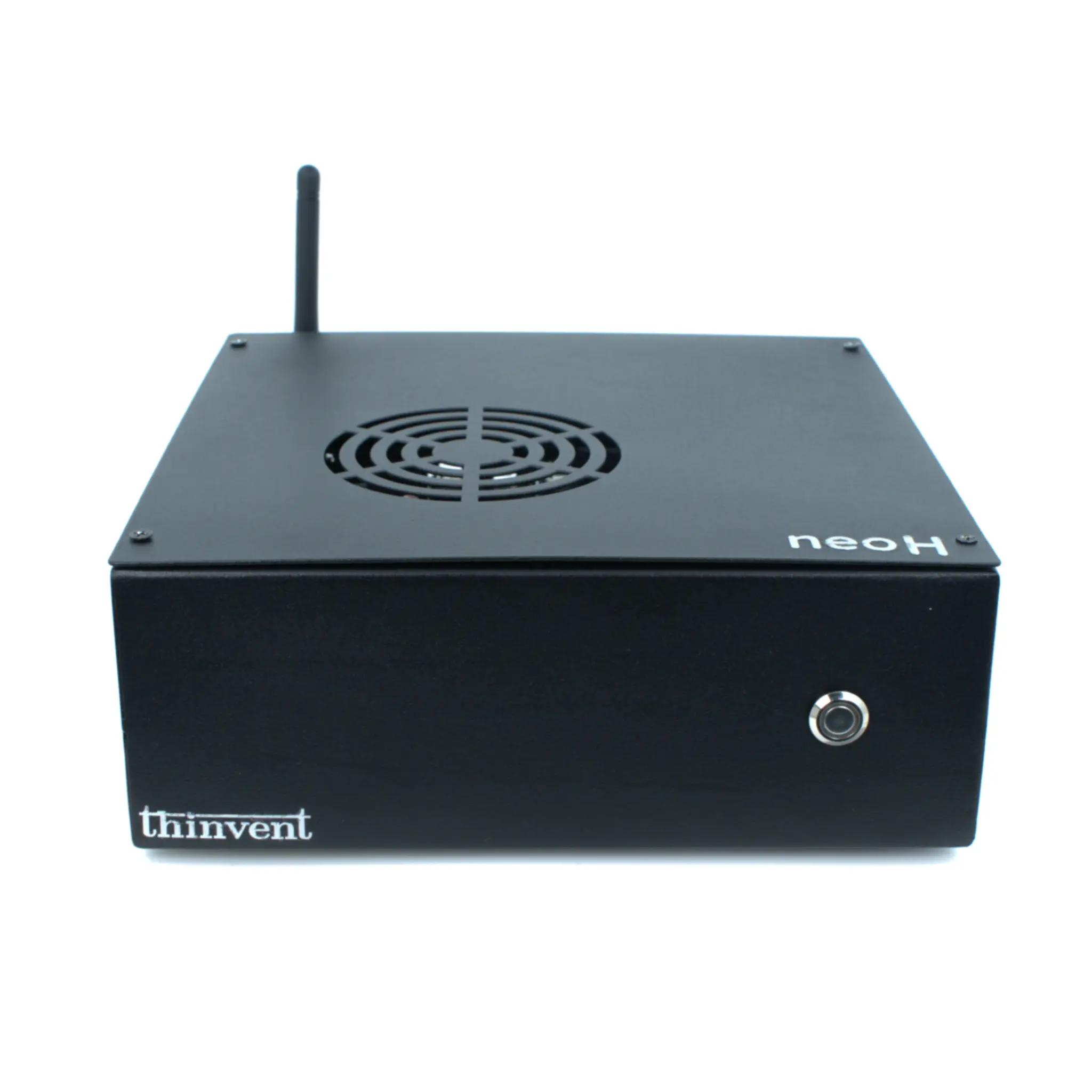
Thinvent Aero Mini PC Series: Featuring the Intel processor N100, these fanless mini PCs provide efficient, silent, and reliable processing—a perfect match for a Control Unit's needs. With options for 16GB RAM and SSD storage, they offer ample resources for vote tallying and secure data logging. The fanless design ensures longevity and eliminates a common point of failure, while support for multiple operating systems (Windows 11 IoT, Ubuntu Linux, Thinux™ Embedded Linux) allows for complete software customization and control.
Key Advantages for EVM Integrators:
-
Fanless & Silent: No moving parts for maximum reliability in critical applications.
-
Industrial-Grade Components: Built for 24/7 operation in diverse environments.
-
Customizable I/O: Capable of interfacing with various peripheral units and security hardware.
-
Secure OS Options: Pre-loaded with your choice of a secure, locked-down operating system.
-
Compact Form Factor: Easy to integrate into custom enclosures for both Control and Balloting Units.